
Weight loss surgery, often called bariatric or metabolic surgery, is a powerful tool. These operations are designed to treat severe obesity and related health conditions. The goal is to physically change the digestive system.
This change helps people feel full sooner and absorb fewer calories. It also triggers helpful hormonal shifts in the body. The benefits go far beyond the number on the scale.
These procedures can lead to major improvements in type 2 diabetes, high blood pressure, and sleep apnea. Modern methods are minimally invasive, using laparoscopic or robotic tools. This means smaller incisions, less pain after surgery, and a faster return home.
Today’s options are among the most studied in medicine. They offer a safe path to lasting weight loss and better overall health. This article will explore the specific techniques that make these life-changing results possible.
What Are Bariatric and Metabolic Surgical Procedures?
More than just weight loss tools, these procedures are evidence-based medical interventions for chronic diseases like type 2 diabetes. The term bariatric surgery primarily describes operations that promote significant weight loss. Metabolic bariatric surgery highlights how these same procedures powerfully improve the body’s metabolism.
Both types work by physically altering the digestive tract. The goal is to treat severe obesity and its related health conditions.
These operations use two main methods to achieve results. The first is restriction. This means making the stomach smaller to limit how much food a person can eat at one time.
The second method is malabsorption. Here, the operation bypasses a section of the small intestine. This reduces the number of calories and nutrients the body absorbs from food.
These physical changes trigger powerful hormonal shifts. Gut hormones that control hunger and fullness, like ghrelin, are altered. Patients often feel less hungry and more satisfied after meals.
This is not cosmetic surgery. It is a treatment for serious diseases. The health conditions addressed include:
- Type 2 diabetes
- High blood pressure
- Sleep apnea
- High cholesterol
- Heart disease
A skilled bariatric surgeon leads the process. They work with a full care team. This team includes dietitians, psychologists, and medical doctors.
Their support is vital for long-term success. Patient commitment to new eating and exercise habits is essential.
When performed at an accredited medical center, these operations have a strong safety record. Their risks are comparable to other common surgeries, like gallbladder removal.
They are powerful tools. They create the physical conditions needed for lasting lifestyle change and improved health.
Understanding the Primary Bariatric Surgical Techniques
To address severe obesity, surgeons have developed a portfolio of operations. Each one has a unique approach to altering digestion.
These methods work through restriction, malabsorption, or a combination of both. Choosing the right path depends on a patient’s health goals and medical profile.

Laparoscopic Sleeve Gastrectomy (The “Sleeve”)
This is a primarily restrictive procedure. About 80% of the stomach is permanently removed.
What remains is a narrow, banana-shaped tube. This new, smaller stomach holds much less food.
It also removes the area that produces most ghrelin, the “hunger hormone.” Patients often feel less hungry. The surgery time is relatively short.
Weight loss results are typically strong and reliable. A key disadvantage is that it is not reversible.
For some people, it can also worsen or cause acid reflux.
Roux-en-Y Gastric Bypass (Gastric Bypass)
The gastric bypass is a classic and very effective operation. It uses a triple mechanism to promote change.
First, a surgeon creates a tiny, egg-sized pouch from the top of the stomach. This severely limits how much can be eaten.
Next, a section of the small intestine is rerouted and connected to this new pouch. This bypass means food skips most of the stomach and the first part of the intestine.
The body therefore absorbs fewer calories and nutrients. This rerouting also causes favorable hormonal shifts.
Advantages include proven long-term weight loss and high rates of type 2 diabetes remission. It is considered the gold standard for metabolic disease.
Disadvantages involve more complexity. Risks include vitamin deficiencies, ulcers, and dumping syndrome.
Adjustable Gastric Band
This is a purely restrictive device. A silicone band is placed around the upper part of the stomach.
It creates a small pouch above the band. The tightness of the band can be adjusted after the operation.
A port under the skin allows a doctor to add or remove saline. This changes the size of the opening to the lower stomach.
The main advantages are a low early complication rate and full reversibility. However, weight loss is generally slower.
Long-term issues like band slippage, erosion, or infection are possible. Due to these factors and the need for frequent adjustments, its use has declined significantly.
Biliopancreatic Diversion with Duodenal Switch (BPD-DS)
This is a two-part procedure and is the most potent metabolic surgery available. It combines a sleeve gastrectomy with an extensive intestinal bypass.
After creating the sleeve, the surgeon reroutes the intestinal tract. Roughly 75% of the small intestine is bypassed.
This creates significant malabsorption. The duodenal switch offers the greatest weight loss and impact on type 2 diabetes.
It comes with the highest risk of nutritional deficiencies. Patients must commit to strict, lifelong vitamin regimens.
More frequent and looser bowel movements are also common. It is typically reserved for patients with very high body mass indexes.
Single Anastomosis Duodenal-Ileal Bypass with Sleeve Gastrectomy (SADI-S)
The SADI-S is a newer, streamlined version of the duodenal switch. It also begins with a sleeve gastrectomy.
The key difference is in the connection, or anastomosis. Instead of two connections, it uses a single one.
The stomach is connected directly to a lower part of the intestine. This simplifies the surgery while aiming for similar results.
Early data shows effective long-term weight loss and diabetes remission. As a newer technique, long-term data is still being gathered.
A potential drawback is that it may worsen reflux in some patients. Its growing endorsement is due to its balance of effectiveness and relative simplicity.
Comparing Bariatric Procedure Options
A patient’s choice is guided by comparing expected outcomes, risks, and long-term lifestyle changes. Each operation presents a unique profile of benefits and demands.
Understanding these differences helps align a procedure with personal health goals and the commitment one is prepared to make.
Weight Loss and Metabolic Effectiveness
Not all operations produce the same level of weight loss or impact on type 2 diabetes. Studies show clear trends in effectiveness.
The sleeve gastrectomy typically leads to loss of 60-70% of excess body weight. Gastric bypass often results in 70-80% loss.
The adjustable band generally shows the least impact, with 40-50% excess weight loss. The most potent options for severe obesity are the BPD-DS and SADI-S.
They can result in 70-85% or more excess weight loss. For diabetes remission, bypass, BPD-DS, and SADI-S are highly effective.
They often lead to rapid improvement or resolution of the disease. The sleeve is also very good, while the band shows more modest metabolic benefits.
| Procedure | Typical Excess Weight Loss | Impact on Type 2 Diabetes |
|---|---|---|
| Sleeve Gastrectomy | 60-70% | High remission rates |
| Gastric Bypass | 70-80% | Very high remission rates (often considered gold standard) |
| Adjustable Gastric Band | 40-50% | Modest improvement |
| BPD-DS | 70-85%+ | Extremely high remission rates |
| SADI-S | 70-85%+ | Extremely high remission rates |
Risk and Complication Profiles
Every surgery carries risk. The nature and likelihood of complications vary between options.
Short-term risks like bleeding or infection are generally low and similar across all modern, minimally invasive operations.
The adjustable band has the lowest early complication rate. However, it has a high long-term re-operation rate for issues like band slippage.
Specific long-term complications are linked to each procedure. The sleeve can cause or worsen acid reflux.
Gastric bypass carries risks of ulcers, bowel obstruction, and “dumping syndrome.” This is when sugary food moves too fast into the intestine.
It can cause nausea and dizziness. BPD-DS and SADI-S have slightly higher overall complication rates due to their complexity.
Their most significant long-term risk is nutritional deficiency, which requires diligent management.
Long-Term Lifestyle and Nutritional Considerations
Life after surgery involves permanent changes. These adaptations are crucial for health and maintaining weight loss.
All patients must adopt new eating habits. This means eating very small meals, chewing thoroughly, and eating slowly.
Certain foods, like sugary drinks and high-fat snacks, are often poorly tolerated. Medications like NSAIDs (e.g., ibuprofen) must be avoided.
They can increase ulcer risk. The amount and size of meals are forever limited.
Nutritional care is non-negotiable. Every patient needs daily vitamin and mineral supplements for life.
This is because the body absorbs fewer nutrients. The need is most vigilant after malabsorptive procedures.
- Gastric Bypass, BPD-DS, SADI-S: High risk for deficiencies in iron, calcium, vitamin B12, and fat-soluble vitamins (A, D, E, K). Require strict, high-dose supplements and twice-yearly blood work.
- Sleeve Gastrectomy: Risk mainly for vitamin B12, iron, and vitamin D. Standard supplements and annual monitoring are usually sufficient.
- Adjustable Band: Nutritional deficiencies are rare if a normal diet is eaten. Standard multivitamins are still recommended.
Daily routines adjust. People often eat 4-6 very small meals a day. Bowel habits can change, especially with bypass or DS operations.
More frequent, looser stools are common. The management of co-morbid conditions like diabetes often becomes much easier.
Choosing an operation is a balance. Greater weight loss and metabolic benefits often come with higher risks and stricter lifelong regimens.
A successful outcome depends on fully understanding and committing to these long-term changes for your health.
How Modern Bariatric Surgery is Performed: Laparoscopic & Robotic Techniques
Today’s approach to treating severe obesity centers on advanced technology that minimizes physical trauma and speeds healing. The vast majority of weight loss operations are now performed using minimally invasive methods. This represents a major shift from the past.
These modern approaches are the standard of care. They offer significant advantages for patient recovery and overall health outcomes.
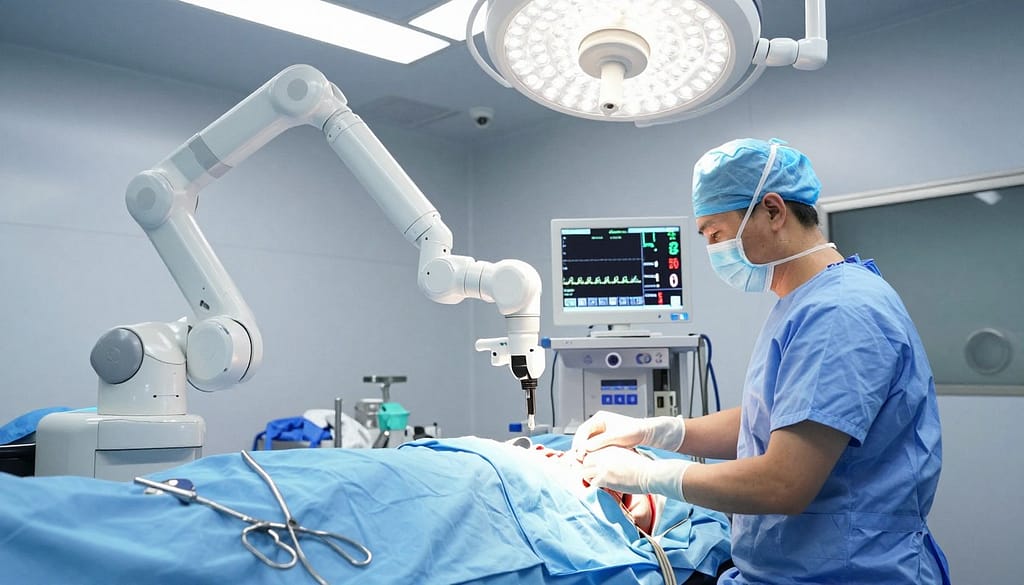
The cornerstone of modern practice is laparoscopic surgery. The patient is placed under general anesthesia. The surgeon then makes several small incisions in the abdomen.
A thin tube with a camera, called a laparoscope, is inserted through one opening. Specialized, long-handled instruments are passed through the others. The surgeon performs the entire procedure while watching a magnified video monitor.
This view inside the body is highly detailed. It allows for careful work on the stomach and small intestine with great precision.
The benefits of this method over historical open surgery are substantial. Open surgery requires one large abdominal incision. Laparoscopic techniques have changed the experience completely.
Patients experience far less postoperative pain. Scarring is minimized to a few small marks. The risk of wound complications and hernias drops significantly.
Hospital stays are much shorter, often just one to two days. Perhaps most importantly, people return to normal activities much quicker. This supports a faster start to the new lifestyle needed for lasting weight loss.
An even more advanced option is robotic-assisted surgery. This is an evolution of minimally invasive techniques. The surgeon sits at a console and controls robotic arms with enhanced precision.
These arms filter out hand tremors and allow movement in ways the human wrist cannot. The system provides a high-definition, three-dimensional view of the operative field. This can be especially helpful in complex cases or for patients with higher levels of obesity.
Both laparoscopic and robotic methods aim for the same excellent results. They simply represent different tools for achieving them.
While minimally invasive is the norm, open surgery remains a vital option. It may be necessary for select patients.
This includes individuals with a very high body mass index. Those with extensive prior abdominal operations or complex scar tissue may also require it. The decision is always made with patient safety as the top priority.
The success of these operations relies on a highly skilled team. The surgeon leads, but anesthesiologists, nurses, and technicians all play critical roles. Advanced technology supports their work, but human expertise guides it.
This combination ensures the procedure is performed safely and effectively. It directly contributes to the high safety profile of modern metabolic bariatric care.
Choosing a minimally invasive path has a direct impact on patient experience. Less pain and a shorter recovery time reduce the physical and emotional burden. This allows people to focus their energy on healing and adopting new habits.
These advanced surgical methods are a key reason why bariatric surgery is now considered a safe and routine treatment. They have transformed a major operation into a manageable step toward better health.
How to Prepare for Bariatric Surgery: Steps and Expectations
Preparation is a critical step that transforms a patient from a candidate into an active participant in their own care. This phase is not just about waiting for an operation date. It’s an active process designed to optimize your health, educate you thoroughly, and set the stage for lasting success.
The goal is to ensure you are medically, nutritionally, and psychologically ready for the changes ahead. A dedicated team will guide you through each requirement. Your commitment during this time directly influences your weight loss results and overall well-being.
Every accredited program follows a structured pre-operative evaluation. You will meet with several specialists who form your care team. Each member has a specific role in your journey.
| Team Member | Primary Role in Preparation |
|---|---|
| Medical Doctor (Internist) | Reviews your full medical history, performs a physical exam, and orders necessary tests. They manage conditions like diabetes or high blood pressure to optimize you for surgery. |
| Registered Dietitian | Provides detailed nutritional education. They explain the pre-op diet, post-op eating patterns, vitamin needs, and lifelong food strategies. |
| Mental Health Professional | Assesses your psychological readiness and coping skills. They help ensure you have realistic expectations and a plan for the emotional aspects of this life change. |
| Bariatric Surgeon | Details the procedure, discusses risks and benefits, and outlines the follow-up plan. They lead the surgical team and make the final approval for your operation. |
Your medical preparation involves specific tests. Blood work checks your metabolic and nutritional status. Other assessments might include heart and lung function tests.
Imaging studies, like an ultrasound, may be required. One of the most vital steps is quitting tobacco. You must stop smoking at least six weeks before your procedure.
This drastically reduces surgical risk and improves healing. Your surgeon and medical doctor will provide clear instructions.
Nutritional preparation begins weeks in advance. Most programs require a pre-operative diet. This often involves a high-protein, low-carbohydrate, and low-fat plan.
The main goal is to shrink your liver. A smaller liver makes the procedure safer and technically easier for your surgeon. This diet also starts training your body for new eating habits.
You will learn to prioritize protein, avoid sugary drinks, and practice eating slowly. Your dietitian will be your coach through this phase.
Education is a cornerstone of preparation. Your team will provide resources like classes, seminars, and written materials. You will learn what to expect during recovery.
This includes the dietary progression from liquids to solid food. You’ll also learn about potential side effects and how to manage them. Setting realistic expectations for weight loss and body changes is crucial.
For a comprehensive guide to preparation, many find valuable insights from established medical centers. This resource outlines a similar step-by-step approach.
Building a strong support system is highly encouraged. This journey is challenging, and you don’t have to do it alone. Involve family or close friends who understand your goals.
Many programs also offer organized support groups. Connecting with others who have undergone the surgery can provide immense practical and emotional support. This network becomes invaluable after your operation.
This preparatory period is your proactive opportunity to improve outcomes. The work you do now can lead to a smoother recovery. It can also enhance your long-term health and weight management.
By engaging fully with your care team, you take control of your journey. You move toward the operation not as a passive patient, but as a prepared partner in your own health transformation.
Understanding the Risks and Commitments of Surgery
Informed consent is built on a full understanding of both the potential rewards and the inherent challenges of any medical intervention. This section provides a clear overview of what to expect, ensuring you can partner with your care team with confidence.
Every major operation carries a possibility of complications. These are divided into short-term surgical risks and long-term health considerations.
Short-term issues are those that can occur during or shortly after your procedure. While modern methods have made them uncommon, awareness is key.
- Bleeding or infection at the incision sites.
- Blood clots forming in the legs (deep vein thrombosis) or lungs (pulmonary embolism).
- A leak from the new connections made inside the stomach or intestine.
- Adverse reactions to anesthesia.
- Bowel obstruction.
Long-term complications are specific to the type of weight loss surgery you have. They often relate to the physical changes made to your digestive system.
| Procedure | Potential Long-Term Complications |
|---|---|
| Sleeve Gastrectomy | Worsening acid reflux, vitamin deficiencies (B12, iron), possible weight regain over years. |
| Gastric Bypass | Marginal ulcers, “dumping syndrome,” internal hernias, higher risk for deficiencies in iron, calcium, and B12. |
| Adjustable Gastric Band | Band slippage or erosion, port infection, esophageal dilation. |
More complex procedures like the duodenal switch carry an even higher risk of nutritional deficiencies and bowel changes.
Success demands non-negotiable, lifelong commitments. Your body will absorb fewer nutrients, making daily supplements mandatory.
You must take high-quality multivitamins, calcium, vitamin D, and often iron or B12. Annual blood tests are essential to monitor your levels.
Your relationship with food changes permanently. You will follow a protein-first, nutrient-dense diet. Meals will be very small, and you must eat slowly.
Sugary drinks and high-fat snacks are often poorly tolerated. Regular physical activity becomes a cornerstone of maintaining your weight loss and overall health.
Lifelong medical follow-up is not optional. You will have check-ups with your surgeon and care team for decades. This partnership is vital for catching issues early and providing ongoing support.
For a comprehensive guide to the entire process, including detailed risk management, resources from established programs like this introduction to bariatric surgery can be very helpful.
The journey also impacts mental health and relationships. Adapting to a new body image is a process. Some people experience changes in mood or relationships.
Ongoing psychological support or therapy can be invaluable. Connecting with others through support groups provides shared experience and encouragement.
This information is shared not to deter, but to empower. Treating severe obesity and diabetes is a long-term partnership. Knowing the risks and embracing the commitments sets the foundation for a successful, healthier life.
Conclusion: Achieving Long-Term Success with Bariatric Surgery
Lasting transformation after metabolic bariatric surgery requires viewing the procedure as a beginning rather than an end. This powerful tool is not a cure, but a catalyst that enables sustainable change. Your active partnership with a dedicated care team is fundamentally important for long-term results.
Success hinges on lifelong habits and consistent follow-up. This means keeping medical appointments, taking prescribed vitamins, and eating nutrient-dense foods. Regular physical activity and utilizing psychological support when needed are equally vital.
The health benefits extend far beyond significant weight loss. Many patients experience remission of type 2 diabetes and other obesity-related conditions. For appropriately selected individuals, these life-changing operations offer a path to improved mobility, enhanced quality of life, and better overall health.