
When people talk about weight loss surgery, they often use the terms bariatric and metabolic surgery. These names point to the two main goals: reducing body weight and improving how the body processes energy.
Today’s operations have evolved greatly. Surgeons now use minimally invasive techniques, like laparoscopic or robotic methods. This means smaller cuts, less pain, and a quicker return to daily life.
The core aim is to surgically change the stomach and intestines. This leads to eating less food and feeling full sooner. It also triggers powerful hormonal and metabolic changes that help control hunger and blood sugar.
The benefits go far beyond the number on the scale. These treatments are highly effective for causing remission of type 2 diabetes, improving high blood pressure, and easing sleep apnea. Modern bariatric surgery is very safe, with risks similar to common operations like gallbladder removal.
This guide will explore these life-changing options. We will cover how they work, the different types available, and what to expect for long-term health and wellness.
Introduction to Metabolic and Bariatric Surgery
For millions of Americans, the struggle with severe obesity involves more than diet and exercise. Major medical groups classify it as a complex, chronic disease.
This condition carries serious physical, psychological, and economic burdens. Data shows that 42% of U.S. adults have a BMI that places them in the obesity category.
When lifestyle changes aren’t enough, a highly effective intervention exists. Studies show it leads to an average of 26 kg (57 lb) more weight loss than non-surgical methods.
Patients are also five times more likely to see their type 2 diabetes go into remission. This powerful outcome highlights why the term “metabolic bariatric surgery” is now preferred.
The focus has shifted from just weight to improving overall metabolic health. These operations are among the most common gastrointestinal procedures performed today.
Approximately 256,000 were completed in the U.S. in 2019 alone. This reflects growing acceptance of bariatric surgery as a standard treatment.
How do these treatments work? They use two main mechanical principles. The first is restriction, which creates a smaller stomach pouch.
The second, used in some operations, is malabsorption. This involves bypassing a section of the small intestine.
Together, these changes do more than limit food intake. They trigger profound hormonal shifts that alter how the body manages hunger and energy.
Understanding these core concepts is the vital first step. It allows for an informed evaluation of whether this path is a potential option for better wellness.
What Are Metabolic Surgery Procedures?
Five primary surgical techniques form the cornerstone of contemporary treatment for severe obesity and type 2 diabetes. These operations are endorsed by leading medical societies like the ASMBS.
Each option works differently. They modify the digestive system to promote weight loss and improve health. The choice depends on a person’s specific medical profile and goals.
Laparoscopic Sleeve Gastrectomy (The Sleeve)
This common procedure removes about 80% of the stomach. What remains is a narrow, banana-shaped tube.
It works through restriction and hormonal change. The smaller stomach holds less food. Removing part of the organ also cuts the production of a key hunger hormone.
Advantages include a technically simpler operation and effective weight loss. A potential downside is that it is not reversible. For some, it can worsen acid reflux.
Roux-en-Y Gastric Bypass
The gastric bypass is a classic and well-studied operation. It involves two main steps.
First, a very small, egg-sized pouch is created from the top of the stomach. Second, a section of the small intestine is rerouted and connected to this new pouch.
This combines restriction with malabsorption. It leads to reliable, long-term results and is powerful for diabetes remission. Risks include vitamin deficiencies and a condition called dumping syndrome.
Biliopancreatic Diversion with Duodenal Switch (BPD-DS)
This is a two-part procedure. It starts with a sleeve gastrectomy. Then, a long segment of the intestine is bypassed.
The duodenal switch creates significant malabsorption. It is considered the most effective option for weight loss and treating type 2 diabetes.
However, the diversion duodenal switch carries the highest rates of complications and nutritional risks. Patients often experience looser stools and need vigilant supplement monitoring.
Single Anastomosis Duodeno-Ileal Bypass with Sleeve (SADI-S)
The SADI-S is a newer, streamlined version of the BPD-DS. Single anastomosis means it requires only one intestinal connection.
It also begins with a sleeve. The stomach is then connected directly to a lower part of the small intestine in a duodeno-ileal bypass.
This design aims for similar high effectiveness with slightly lower complexity. As a newer technique, long-term data is still growing. Nutritional deficiencies and reflux are possible concerns.
Adjustable Gastric Band (Less Common)
This purely restrictive approach uses an implanted device. A silicone band is placed around the upper stomach to create a small pouch.
The adjustable gastric band can be tightened or loosened via a port under the skin. Its main advantages are a low early complication rate and reversibility.
Its use has declined due to less impressive outcomes. Disadvantages include poorer long-term weight loss, a high need for re-operation, and risks of band slippage.
Selecting the right operation is a highly personalized decision. An experienced surgeon will review your health history, risks, and goals. This ensures the chosen path offers the best balance of benefit and safety for your journey.
How Metabolic Surgery Works: Beyond Simple Restriction
Recent scientific discoveries have shifted our view of bariatric surgery from a mechanical fix to a powerful metabolic reset. The focus is now on the intricate hormonal and chemical signals it alters.
This change explains why improvements in blood sugar often happen within days. The effect comes well before significant weight loss occurs.
The old idea was simply about eating less food. Now we know these operations rewire the body‘s internal communication system.
Key gut hormones are directly impacted. For example, ghrelin, which stimulates hunger, often decreases.
Other hormones like GLP-1 and PYY increase. This dual action enhances insulin secretion and creates a lasting feeling of fullness.
This leads to the metabolic bariatric theory. Operations improve how cells respond to insulin independently of dropping pounds.
This is why type 2 diabetes can go into rapid remission. The body regains its natural ability to manage glucose.

Emerging research points to other fascinating changes. Altered bile acid flow and shifts in the gut microbiome play a role.
These factors further influence metabolism and inflammation. They add to the overall health benefits seen after treatment.
Different operations use these mechanisms in unique ways. A purely restrictive procedure like the sleeve works mainly through hormonal shifts and a smaller stomach.
Bypass operations, like gastric bypass, add another layer. They reroute the small intestine.
This changes how and where nutrients are absorbed. It also alters nutrient sensing in the gut.
The bypass of the duodenum, the first part of the intestine, is particularly important. This area is rich in signals that affect metabolism.
By avoiding it, the body receives different instructions. This contributes to the strong effect on diabetes.
In summary, efficacy comes from a multi-factorial impact. It combines physical restriction, hormonal reprogramming, and metabolic correction.
The result is a sustained tool for managing weight and restoring metabolic health. It addresses the root causes of disease, not just the symptoms.
Who is a Candidate for Metabolic Surgery?
Not everyone with obesity is automatically eligible for weight loss surgery. Strict criteria must be met. These guidelines ensure the procedure is safe and effective for the right person.
Qualification is based on medical evidence. It focuses on improving long-term health and reducing disease risk.
Standard BMI and Health Criteria
National guidelines set clear benchmarks. The most common standard uses Body Mass Index (BMI).
A person may qualify in two main ways. The first is having a BMI of 40 or higher. The second is a BMI between 35 and 39.9 with a serious related condition.
These conditions include type 2 diabetes, high blood pressure, or severe sleep apnea. The goal is to treat the obesity and its complications.
Recent updates reflect a metabolic focus. Patients with a lower BMI of 30 to 34.9 may now be considered.
This applies if their type 2 diabetes is poorly controlled with medicine. It highlights the role of bariatric surgery as a metabolic treatment.
Certain factors can exclude a candidate. Active tobacco or alcohol use is a common barrier.
Untreated major psychiatric illness is another. A heart or lung condition that makes anesthesia too risky is also important.
Finally, a patient must fully understand the operation’s benefits and lifelong changes. The table below summarizes the key eligibility pathways.
| BMI Category | Health Status Requirement | Typical Qualification Path |
|---|---|---|
| ≥ 40 kg/m² | No comorbidity required | Eligible based on weight alone |
| 35.0 – 39.9 kg/m² | With one or more obesity-related conditions (e.g., diabetes, hypertension) | Eligible due to health complications |
| 30.0 – 34.9 kg/m² | With inadequately controlled type 2 diabetes | Eligible under expanded metabolic criteria |
The Importance of the Presurgical Evaluation
Meeting the BMI numbers is just the first step. A complete evaluation is mandatory before any surgery.
This process involves a team of experts. Your surgeon, a dietitian, and a behavioral health specialist all participate.
A primary care doctor or specialist may also be involved. This team looks at your whole picture.
The evaluation has several key parts:
- A deep review of your medical and psychological history.
- A full physical exam and extensive laboratory testing.
- Assessments of your heart and lung function if needed.
- Discussions about nutrition, activity, and mindset changes.
The purpose is twofold. First, to optimize your body for the operation and recovery.
Second, to prepare you mentally for the journey ahead. You will learn about diet stages, vitamin needs, and follow-up care.
This preparation builds a foundation for success. It helps ensure you are ready for the lifestyle commitment.
Some patients are asked to lose a small amount of weight before surgery. This can make the liver smaller and the procedure technically easier.
However, long insurance-mandated diet programs are different. Studies show they do not lead to better weight loss results after surgery.
The evaluation is your roadmap. It turns a qualified candidate into a well-prepared patient.
The Surgical Journey: From Preparation to Recovery
Embarking on the path to bariatric surgery is a structured journey. It begins long before the operation day and extends well into the future.
Understanding each phase helps patients feel prepared and confident. This process is designed for safety and to set the stage for lasting success.
The preparatory stage is crucial. Once a candidate is approved, a series of appointments are scheduled.
Patients meet with an internist, a dietitian, and a psychologist. These experts form the core care team.
The surgeon leads the process, explaining the chosen procedure in detail. A key goal is to optimize the body for the upcoming operation.
Lifestyle adjustments often start here. Patients are advised to stop smoking completely. They receive guidance on healthy eating and gentle activity.
Some may need to follow a specific pre-op diet. This helps reduce liver size, making the surgery technically easier.
On the day of the operation, patients arrive at the hospital or surgical center. Most modern bariatric surgery is performed laparoscopically.
This means the surgeon makes several small incisions in the abdomen. A tiny camera and instruments are inserted through these ports.
The team works under general anesthesia. The laparoscopic approach offers major benefits.
It leads to less post-operative pain, minimal scarring, and a much faster recovery. In rare cases, an open surgery with a larger incision may be needed.
The immediate recovery period starts in the hospital. Pain is managed effectively with medication.
Patients are encouraged to get out of bed and walk very early, often the same day. This movement helps prevent complications like blood clots.
A liquid diet begins within a day. Sipping water and clear broths is the first step.
Medical staff monitor vital signs and incision sites closely. Most hospital stays last one to two nights for standard procedures.
Returning home marks the start of the next critical phase. Dietary progression must be followed exactly.
The stomach is healing and very small. The diet advances in clear stages over several weeks:
- Week 1-2: Clear liquids, then full liquids (protein shakes, skim milk).
- Week 3-4: Pureed foods (similar to the consistency of applesauce).
- Week 5-6: Soft, moist foods (scrambled eggs, flaky fish).
- Week 7+: A modified regular diet, introducing firmer textures slowly.
New eating habits are essential. Meals must be tiny, eaten slowly, and chewed thoroughly.
Drinking fluids is separated from meal time by at least 30 minutes. This prevents discomfort and ensures proper nutrient intake.
Vitamin and mineral supplementation begins immediately. This is a lifelong requirement after these operations.
Physical recovery at home involves gradually increasing activity. Walking is highly encouraged.
Most people can return to light daily tasks within a week. Strenuous exercise and heavy lifting are restricted for several weeks.
Incision care is simple. Patients keep the small wounds clean and dry, watching for signs of infection.
It’s vital to know the warning signs of potential complications. These include fever, severe abdominal pain, redness at incision sites, or difficulty breathing.
Any concerning symptoms should prompt an immediate call to the surgical team.
Follow-up care is not optional; it’s a key to success. Appointments are frequent in the first year.
Visits may occur at two weeks, one month, three months, six months, and twelve months. After the first years, annual check-ups continue for life.
These meetings track weight loss, nutritional changes, and overall health. They provide ongoing support and adjustment.
True recovery extends beyond physical healing. It involves adapting to a new relationship with food.
The body has undergone a significant bypass or restriction. Patients learn to recognize fullness cues from their new stomach pouch.
This journey requires patience and commitment. With careful preparation and adherence to guidelines, patients can navigate this path safely toward their health goals.
Benefits and Outcomes of Metabolic Surgery
Patients considering this path frequently ask about realistic expectations for weight loss and disease control. The data provides powerful and encouraging answers.
These operations are not a quick fix but a proven tool for lasting change. They offer a multi-faceted improvement in health and longevity.
The benefits extend across physical, metabolic, and psychological domains. Understanding these outcomes can help set achievable goals.
Weight Loss Results and Sustainability
The amount of weight patients lose is substantial and well-documented. Success is often measured by two metrics.
Percentage of Excess Weight Loss (%EWL) and Total Body Weight Loss (%TWL) are key. The first years post-operation see the most dramatic change.
On average, patients lose 30 to 50 kilograms (66 to 110 pounds) in the first three years. This represents a 60-70% reduction in excess body weight.
Initial results are impressive, but long-term sustainability matters most. Some weight regain is a common part of the journey between three and ten years.
This does not negate overall success. Weight stabilizes at an average loss of 17-30% of excess body weight long-term.
Compared to non-surgical attempts, the results are far superior. The table below summarizes typical outcomes.
| Time Period | Average Excess Weight Loss (%EWL) | Key Characteristics |
|---|---|---|
| First Year | 60-80% | Most rapid phase of weight loss. |
| Years 1-3 | 60-70% | Peak weight reduction is achieved. |
| Years 5-10 | 17-30% | Some regain may occur; weight stabilizes. |
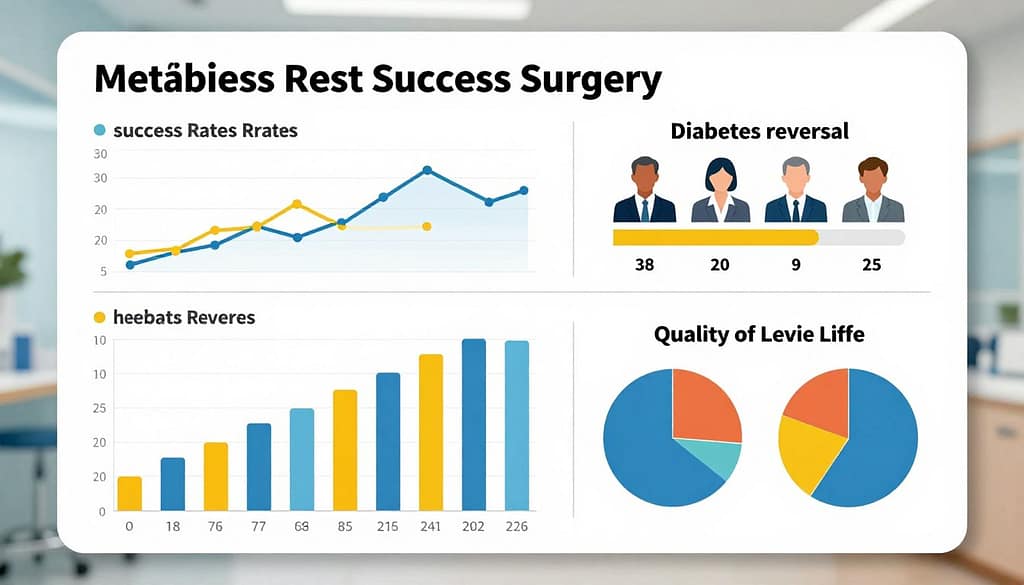
Different procedures may have varying trajectories. Gastric bypass can lead to greater initial weight loss than the sleeve.
The long-term difference between procedures is often minimal. The choice should focus on overall health goals and personal factors.
For detailed gastric bypass outcomes, resources like the Trinity Bariatric Institute provide valuable insights.
Remission of Obesity-Related Comorbidities
Improving or resolving other diseases is a primary goal. The impact on type 2 diabetes is particularly profound.
Approximately 70% of patients achieve remission initially. This means normal blood sugar levels without medication.
About 38% maintain this remission at the ten-year mark. An impressive 90% experience significant improvement in diabetes control.
The effect is often rapid, occurring within days or weeks. This happens well before major weight loss.
It highlights the powerful metabolic changes these operations trigger. Other conditions also see remarkable improvement.
- Hypertension: High blood pressure often improves or resolves, reducing medication needs.
- Sleep Apnea: Symptoms frequently diminish, leading to better rest and heart health.
- Hyperlipidemia: Cholesterol and triglyceride levels commonly drop.
- Fatty Liver Disease: Liver inflammation and fat content can decrease.
- Joint Pain: Reduced load on knees and hips eases pain and improves mobility.
This broad spectrum of benefit addresses the root causes of metabolic illhealth. It transforms a patient’s overall medical profile.
Long-Term Health and Mortality Benefits
The most compelling evidence may be the addition of life to years and years to life. Studies show consistently lower mortality rates.
Over periods of 2 to 20 years, patients have a 23-45% lower risk of death compared to non-surgical controls. This data underscores the benefits of metabolic and bariatric surgery as documented by the American Society for Metabolic and Bariatric.
The risk of dying from specific causes drops dramatically. Heart disease mortality falls by about 40%.
Death from diabetes plunges by an astounding 92%. Cancer mortality is also reduced by approximately 60%.
The operations also powerfully prevent new disease. The risk of developing new-onset type 2 diabetes, heart conditions, and certain cancers declines.
Cancers of the breast, colon, and endometrium show particularly strong risk reduction. This is linked to improved hormonal and metabolic environments.
Quality of life improvements are sustained at ten years and beyond. Patients report better mobility, psychological well-being, and economic productivity.
From a healthcare system view, these procedures are cost-effective over a lifetime. Reduced medication use and hospitalizations for obesity-related illnesses offset the initial cost.
The journey requires commitment, but the rewards are comprehensive. They encompass lasting weight management, disease remission, and a longer, healthier life.
Potential Risks and Complications
Informed consent requires a balanced look at both the remarkable benefits and the possible complications. Understanding these factors is a key part of preparing for your health journey.
All medical treatments carry some level of risk. Modern bariatric operations are very safe when performed at accredited centers.
Yet, being aware of potential issues allows for better preparation and monitoring. This knowledge helps ensure any problems are caught and managed early.
Surgical and Short-Term Risks
Early complications are related to the surgery itself and the immediate recovery period. Accredited programs report an overall early complication rate of about 15%.
Most of these issues are minor and resolve quickly. Serious problems are uncommon but important to know.
Key short-term risks include:
- Bleeding: Minor bleeding from incision sites or inside the abdomen can occur. Significant bleeding requiring transfusion or re-operation happens in 1-3% of cases.
- Infection: Incision infections are typically treated with antibiotics. Deep abdominal infections are rare.
- Anastomotic Leak: This is a leak from a surgical connection inside the body. It is one of the most serious early complications, occurring in 0.3% to 3% of cases depending on the procedure.
- Blood Clots: Deep vein thrombosis (DVT) or pulmonary embolism (PE) are risks after any major surgery. Early walking and medication reduce this risk to below 1%.
- Ileus: A temporary slowdown of intestinal function causing bloating and nausea. It usually resolves with supportive care.
The need for a second operation in the short term is about 3-7%. The risk of mortality within 90 days is very low, between 0.2% and 0.3%.
This is similar to or lower than other common abdominal operations. A detailed review of surgical risks is available from the National Institutes of Health.
Nutritional Deficiencies and Management
This is a major long-term consideration. The operations change how your body absorbs nutrients from food.
Deficiencies happen for three main reasons:
- Reduced food intake from a smaller stomach pouch.
- Malabsorption, especially after bypass procedures that reroute the small intestine.
- Reduced stomach acid, which is needed to absorb certain vitamins.
Operations with a malabsorptive component, like gastric bypass or duodenal diversion, carry the highest risk. However, deficiencies can occur after any procedure.
Common deficiencies include:
- Iron: Can lead to anemia. Affects up to 50% of patients after gastric bypass.
- Vitamin B12: Essential for nerve and blood cell health. Requires regular monitoring.
- Calcium and Vitamin D: Critical for bone strength. Poor absorption can lead to bone density loss over years.
- Thiamine (Vitamin B1): A severe deficiency can cause neurological problems.
Lifelong daily supplementation is non-negotiable. This includes a high-quality multivitamin, calcium citrate, and often additional iron and B12.
Annual blood tests are required to check levels. Your care team will adjust your supplements based on the results.
Proper management makes these deficiencies highly controllable. Resources like the Trinity Bariatric Institute emphasize this ongoing commitment.
Other Long-Term Considerations
Several other conditions may arise or require attention after recovery. Awareness helps with early recognition and treatment.
Dumping Syndrome: This affects up to 40% of patients after gastric bypass. It occurs when sugary food moves too quickly into the small intestine.
Symptoms include nausea, cramping, diarrhea, dizziness, and sweating. It is managed by avoiding high-sugar foods and eating smaller meals.
Bone Health: Some bone density loss (8-13%) is common in the first few years. Adequate calcium, vitamin D, and weight-bearing exercise are vital for protection.
Gallstones: Rapid weight loss can trigger gallstone formation. Some surgeons remove the gallbladder during the initial surgery if stones are present.
Future Abdominal Surgery: Scar tissue or internal hernias may develop, sometimes requiring another operation. This is more common after bypass procedures.
Loose Skin: Significant weight loss often results in excess skin. This is a cosmetic concern for many and may be addressed with body contouring surgery later.
Psychological Adjustment: Adapting to a new body and relationship with food is a process. Some patients experience changes in mood or body image.
Support groups and counseling can be incredibly helpful during this transition.
While this list may seem extensive, it’s important to view it in context. For appropriately selected patients, the benefits of treating severe obesity and type 2 diabetes overwhelmingly outweigh these potential risks.
With a dedicated surgical team and a commitment to lifelong follow-up care, these challenges are manageable. This allows patients to focus on achieving and maintaining their health goals.
Life After Metabolic Surgery: Commitment to Long-Term Success
The operating room is just the beginning. True transformation happens in the daily choices made afterward.
This powerful tool is not a cure. Lasting success depends entirely on your partnership with the care team and a commitment to new habits.
You will build a new relationship with food and your body. The goal is to sustain weight loss and protect your health for years to come.
Essential Dietary and Lifestyle Changes
Your diet is your foundation. New rules help your new stomach pouch work safely and effectively.
Protein is the top priority. Aim for at least 60 grams daily to protect muscle during weight loss.
Start every small meal with your protein source. Eat slowly and chew each bite thoroughly.
Separating liquids from solids is critical. Do not drink 15-30 minutes before, during, or after eating.
This prevents discomfort and ensures your tiny meal isn’t washed through too quickly. Also, avoid carbonated beverages entirely.
You will discover personal food intolerances. Dry meats, bread, and rice are common challenges.
Regular physical activity is non-negotiable. It maintains muscle, boosts mood, and supports long-term health.
Your surgeon will advise avoiding certain medications. Non-steroidal anti-inflammatory drugs (NSAIDs) like ibuprofen increase ulcer risk.
For women, planning a pregnancy requires careful timing. It’s best to wait 12-24 months after your operation.
This allows your body to stabilize and ensures proper nutrition for you and a baby.
Lifelong Vitamin Supplementation and Monitoring
Nutritional care is a permanent part of your life. The operation changes how you absorb vitamins and minerals.
This is especially true after a gastric bypass or similar procedure. Daily supplements are mandatory, not optional.
A typical regimen includes:
- A high-potency multivitamin designed for bariatric patients.
- Calcium citrate (1,200-1,500 mg daily), taken in doses.
- Vitamin D3 to aid calcium absorption.
- Vitamin B12, often as a sublingual tablet or monthly injection.
- Iron supplements, frequently needed, especially for women.
Your care team will tailor this list to your needs. Stick to the schedule without missing days.
Medical monitoring is just as important. Expect frequent blood tests to check your levels.
The standard schedule is:
- Quarterly lab work in the first year.
- Annual check-ups and labs every year after that, for life.
These visits track your nutritional status, weight, and overall wellness. They catch deficiencies in type 2 diabetes management early.
Do not underestimate the value of support. Ongoing counseling and support groups provide motivation.
They help you navigate challenges and celebrate victories. This comprehensive approach turns a surgical tool into a lasting solution for obesity and related heart issues.
Conclusion
Evidence strongly supports metabolic bariatric surgery as a life-changing intervention for qualified individuals. It is a powerful, evidence-based treatment for severe obesity and type 2 diabetes.
When performed at an accredited center, these operations are safe with low complication rates. Success, however, is not a single event.
It begins a lifelong journey of health management. This requires a dedicated partnership with your medical team and personal commitment to new habits.
If you meet the criteria, seek a consultation with a board-certified surgeon. A personalized evaluation can clarify if this path is right for you.
For appropriate candidates, bariatric surgery offers the highest chance for significant, sustained weight loss. It can lead to remission of life-limiting disease and a longer, healthier life.
To begin your informed exploration, use the ASMBS “Find a Provider” tool. This resource helps locate an accredited surgeon in your area.