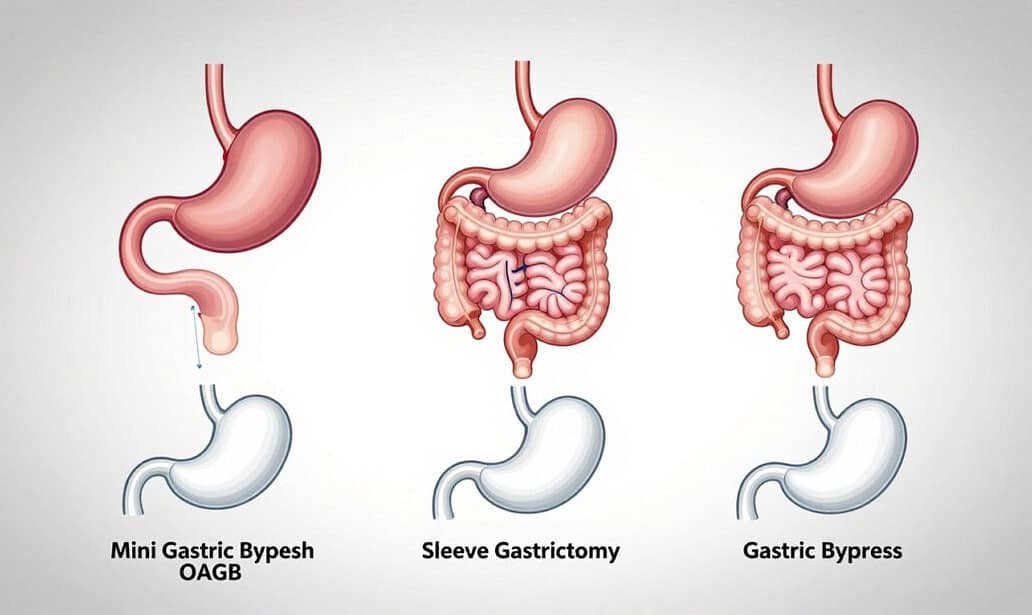
You carry excess weight. Diets constantly fail you. The scale refuses to budge. Frustration builds up daily. Joint pain slows you down. Bariatric surgery is not a magical finish line. It is the starting line of a profound, lifelong transformation. This change demands heavy mental resilience. It demands intense physical healing. Surgery seems like an easy out to outsiders. The intense lifestyle overhaul scares most people away. Fear stems from sheer ignorance. Knowledge gives you total power. Armed with hard facts about the physical realities ahead, you can beat the odds entirely. You can fix your health permanently.
Here is the absolute bottom line. Surgery alters your biology completely. You must alter your psychology immediately. This guide breaks down exactly what happens next inside your body. We explain the core bariatric procedure risks without sugarcoating anything. We detail the strict physical recovery timeline and map out the permanent dietary shifts required for success. A scalpel cannot fix poor daily habits. Read this before you commit. Prepare your mind for war. Prepare your home for healing. What happens if you fail to prepare? You fail the entire process. Let’s look at the cold facts.
Understanding the Medical Realities and Risks
Surgery involves controlled physical trauma. Your body will react aggressively. Cut tissue always bleeds. Healing takes massive caloric energy. Ignore the risks entirely, and you invite absolute disaster. Understand the threats clearly right now. Review all surgical risk factors carefully.
Short-Term Surgical Risks
Complications happen occasionally. Expect some mild surgical pain. Bleeding remains a primary risk factor. Infection stays a distinct possibility. Anesthesia often causes severe nausea. We utilize minimally invasive bariatric surgery options whenever possible. This shrinks your incision size dramatically. Smaller cuts equal less bleeding. You heal much faster overall. Blood clots present a massive, lethal threat. Clots kill people very quickly. Get out of bed fast. Walk the hospital halls immediately. Movement keeps blood pumping steadily. Reviewing national clinical standards shows early mobilization saves lives.
Real-world mistake: A patient stays in bed for two full days because their abdomen hurts slightly, completely ignoring the nurses’ direct orders to walk down the hallway, which allows a massive blood clot to form deep in their calf muscle and travel directly to their lungs. Avoid this completely. Command your legs to move.
Other short-term issues exist openly.
- Leakage: Staple lines can sometimes fail.
- Strictures: Scar tissue blocks food passages.
- Hernias: Weak abdominal muscles tear open.
Watch for glaring warning signs. Fever indicates severe internal trouble. Rapid heartbeat means immediate danger. Severe abdominal pain is totally abnormal. Call your doctor immediately. Do not wait around hoping it resolves.
Long-Term Physiological Considerations
Your digestive engine changes completely. Your stomach shrinks down drastically. You absorb fewer nutrients now. This triggers harsh weight loss surgery side effects. Think about severe hair loss. Bone density drops off significantly. Anemia creeps in very quietly. Gallstones form from rapid weight loss.
Dumping syndrome hits you hard. This is the ultimate biological consequence of poor eating choices. Eat a sugary glazed donut, and your altered anatomy dumps that unrefined sugar straight into your small intestine, causing your body to flood the gut with heavy fluid, which results in violent abdominal cramps, profuse sweating, and intense nausea that leaves you curled up on the cold bathroom floor swearing you will never touch sweets again. This happens very often. Prepare for it mentally. Your body rejects garbage fuel now. Treat your body like a high-performance sports car. Pump premium fuel only.
How Personalized Care Mitigates Risk
Risk plummets with strict clinical preparation. We screen every patient thoroughly. Bloodwork reveals hidden medical issues. Heart tests clear you safely. Trinity Bariatric Institute builds precise, personalized bariatric care programs. We check your mental readiness and your physical stamina. We never guess about health even if we have to verify everything completely. This drops complication rates drastically.
We map your unique internal anatomy. We pick the exact right tool. Some need a full bypass. Others need a gastric sleeve. A gastric balloon lifestyle fits some perfectly. Customization prevents major surgical failures. Trust the hard clinical data entirely.
The Road to Healing: Your Bariatric Recovery Timeline
Healing requires extreme daily patience. Do not rush this delicate process. Your internal stitches need heavy time. Read the complete guide to bariatric surgery recovery timelines, lifestyle changes, and moving forward to grasp the scope.
The First 48 Hours: Hospital to Home
You wake up feeling very sore. Heavy grogginess dominates your brain. Nurses push strong pain medications. Drink tiny sips of clear water. Hydration is absolutely critical here. Your stomach feels completely swollen tight. Gas pain hits your shoulders hard. Surgeons pump gas into your belly to see clearly. That trapped gas hurts badly. Walk around your room immediately. Movement breaks up trapped gas pockets. Discharge happens very quickly nowadays. You go home very soon. Sleep sitting upright mostly. Use a comfortable recliner chair. Protect your healing abdominal muscles. Review wound care protocols to keep incisions clean.
Weeks 1-4: The Crucial Healing Phase
Now the real home work begins. Stick to clear liquids initially. Bone broth becomes your best friend. Sugar-free popsicles help soothe swelling. Protein shakes sustain your wasting muscles. Fatigue hits you like a freight train. Your body is starved of daily calories while simultaneously working extreme overtime to knit severed tissues back together and repair the massive surgical trauma inflicted on your organs. Rest often during the day.
Recognize normal, healthy healing signs. Mild soreness is totally fine. Itching incisions mean active skin repair. Extreme redness is incredibly bad. Call us if you vomit repeatedly. What to expect the first week after bariatric surgery? Expect pure, heavy exhaustion. Your bodily fuel tank is entirely empty. Take long naps daily. Sip clear fluids constantly. Dehydration puts you back in the hospital bed fast.
Real-world mistake: A patient ignores their water timer, sips only two glasses of water all day, and ends up in the emergency room receiving painful intravenous fluids for extreme dehydration. Set a daily timer. Drink your water.
Months 2-6: Adapting to the “New Normal”
Solid foods return very, very slowly. The gastric bypass recovery timeline varies by individual patient. Purées transition to very soft proteins. Scrambled eggs are absolutely great. Chicken must be very, very moist. Dry meats get stuck incredibly easily. Rapid physical weight loss starts right now. Clothes hang loose on you suddenly. Energy levels spike up dramatically.
Start formal physical therapy right now. Lift very light iron weights. Build up your lean muscle mass. Body fat melts off fast. Muscles waste away without physical resistance. Protect your physical bodily strength. Treat your muscles like the foundation of a brick house. Keep the foundation incredibly strong.

The Diet Evolution: Fueling Your Body Differently
Food is merely fuel right now. Your stomach is a small thimble. Choose premium nutritional gas only. Junk food stalls your physical progress.
The Phased Nutritional Approach
Learn the strict post-bariatric diet phases.
- Beginning with Phase one: strictly clear, thin liquids
- After two weeks begins Phase two: full, thick protein liquids
- One week later you can move onto Phase three: heavily puréed soft foods
- Finally Phase four: solid maintenance daily eating
Never skip a single dietary phase. Your stomach staple lines need strict internal protection and rushing could cause dangerous internal acid leaks. Leaks which could lead to severe, deadly sepsis. Follow our official dietary guidelines strictly.
Real-world mistake: A patient eats a piece of dry sirloin steak during week three because they feel perfectly fine, causing the tough meat to lodge tightly in their swollen pouch, requiring an emergency endoscopic hospital procedure to remove the dangerous blockage. Stick to the liquid phases tightly. Do not test the boundaries.
Macronutrients and Supplementation
Protein is your new biological king. Hit your daily macro goals constantly. Eat sixty grams every single day. Avoid empty refined carbohydrates entirely. Bread swells up in your pouch. Rice causes severe abdominal discomfort. Pasta makes you feel incredibly sick.
Managing nutritional deficiencies after weight loss surgery requires lifelong, daily active commitment. Swallow your specific vitamins daily. Calcium is strictly, absolutely non-negotiable. Iron prevents deep, crushing daily fatigue. B12 shots keep your nerves firing correctly. Skip your vitamins for a single year, and you risk permanent neurological damage that destroys your physical balance and erases your short-term memory completely. Your altered body absorbs almost absolutely nothing now. Supplements act as your permanent lifeline.
Mindful Eating and Portion Control
Slow your eating speed down drastically. Chew food thirty full times. Wait patiently between every single bite. Listen to your gut very carefully. Stop eating before you feel full. One extra single bite causes severe pain.
Drinking water with meals flushes food out too fast. Wait thirty full minutes after eating to drink any fluids so your tiny newly formed pouch stays completely full and you do not feel aggressively hungry again ten short minutes later. Overeating stretches your stomach pouch out permanently. Protect your surgical investment fiercely. Use small baby plates. Use tiny baby spoons. Trick your brain entirely.

Long-Term Lifestyle and Psychological Changes
The bathroom scale drops very fast. The human mind lags far behind. Mental shifts are strictly mandatory here. See real journeys and real transformations to understand the mental shift.
The Mental Shift: Food as Fuel, Not Comfort
Emotional stress eating must stop today. You need entirely new coping skills. Food cannot soothe your daily anxiety anymore. Talk to a licensed, professional therapist. Use psychological support resources to find local help. Address your root childhood trauma openly. Find a healthy, physical new outlet. Paint a canvas. Walk the neighborhood. Call an old friend.
Addiction transfer poses a massive threat. You lose food as a crutch. You might pick up alcohol instead. Or gambling. Or excessive online shopping. Guard your mind constantly. Long-term lifestyle changes after bariatric procedures dictate your ultimate lifetime success. A surgery physically fixes stomach capacity. It ignores your complex brain chemistry completely. Food addiction is entirely, undeniably real. Acknowledge your psychological emotional triggers. Life after weight loss surgery tests your mental grit every single day.
Body Image and Physical Changes
Look in the bathroom mirror closely. The physical bodily changes shock you. Skin sags heavily as fat melts. Your internal body thermostat breaks down completely. You feel constantly, painfully freezing cold. This is normal human biology reacting. Accept the loose skin very gracefully. Buy much smaller, tighter clothes. Document your progress with daily photos.
Body dysmorphia affects many surgical patients. You still feel physically huge inside. Your brain sees the old heavy you. Give your mind ample time. Trust the smaller clothing sizes entirely. Trust the physical measuring tape fully.
Real-world mistake: A patient loses one hundred pounds but refuses to buy new clothes, wearing extremely baggy shirts that hide their success, which fuels severe depression and completely stalls their mental health recovery. Buy the smaller shirt. Claim your hard-earned victory.
Integrating Movement into Daily Life
Stop sitting around the quiet house. Move your physical body every day. Walk around the entire block twice. Swim long laps in a cold pool. Lift heavy iron things up repeatedly. Muscle burns body fat incredibly fast. Look at exercise science data to build routines. How to maintain weight loss after a gastric balloon? Stay highly physically active forever. Build a strict daily workout routine. Stick to it permanently forever.
Bariatric surgery recovery depends heavily on physical movement. Sedentary lazy habits breed rapid weight regain. Find an outdoor exercise you actually love. Do it every single solitary week. Your body craves motion and exertion. Feed that healthy physical craving daily.
The Importance of Ongoing Support and Accountability
You cannot do this completely alone. Isolation kills your forward momentum fast. Find your local patient community immediately. Connect with other highly successful patients. Share your daily emotional struggles openly. Attend local support groups every week. Speak your absolute truth out loud.
Get proper, scheduled bariatric post-op care. Keep your doctor appointments on time. Check your blood levels routinely always. Trinity Bariatric Institute walks with you permanently. We monitor your vital health stats and adjust your daily dietary intake accordingly. And help you fix your stubborn weight stalls. The physical hospital surgery is just day one. The real difficult work lasts decades. Accountability keeps you on the rails. We hold you to incredibly high standards. Do not ghost your medical team. We offer easy medical appointments to keep you completely accountable.
Conclusion: Take the Next Physical Step
So, what is the final bottom line? Surgery alters your digestive biology forever. Now that you know the exact medical risks and understand the strict recovery phases fully. You understand the required difficult lifestyle changes that need to take place. It is time to take total control of your health today. Gather your old, dusty medical records. Write down your lingering personal questions. Book a weight loss consultation with us right now. Consult a bariatric surgeon who treats you exactly like a partner. Dial our front office number today. Step into the light. Take back your life entirely. Let us rebuild your physical health together.
Frequently Asked Questions
Will I have to eat pureed food forever? No. The pureed food phase only lasts a few short weeks. It protects your raw healing stomach. You will eventually return to normal solid foods. You just eat much smaller, controlled portions.
How quickly can I go back to work? Desk office jobs take one to two weeks. Heavy physical labor requires four to six weeks. Your physical energy levels dictate your specific timeline. Listen to your body completely.
Can my stomach stretch back out to its original size? Yes. Consistent, daily overeating stretches the physical pouch. Drinking carbonated sugary beverages expands the delicate tissue. Stick to your strict portion limits. Protect your surgical tool fiercely.
Is hair loss permanent after weight loss surgery? No. Hair loss typically peaks around month four. It stems directly from rapid physical weight loss and severe physiological stress. Hit your daily protein goals consistently. Take your daily chewable vitamins. Your hair grows back fully later.
Do I have to take vitamins for the rest of my life? Absolutely. Your body no longer absorbs dietary nutrients effectively at all. Skipping vitamins leads directly to severe clinical malnutrition. Consider this a permanent, non-negotiable daily requirement.