
For many people, this medical intervention represents a major turning point. It is often recommended for individuals with a body mass index (BMI) over 40, or over 35 with related health conditions.
The primary goal is to promote significant and sustained weight loss. This is achieved by altering the anatomy of the digestive system.
Understanding the process can greatly reduce anxiety. This guide aims to demystify the entire experience, from hospital arrival to recovery.
The operating room is a highly controlled, sterile space. A dedicated team of specialists works together to ensure safety and success during the procedure.
Today, most operations use minimally invasive techniques like laparoscopy. These methods involve small incisions and promote a faster recovery. Common types include sleeve gastrectomy and gastric bypass.
Patients are under general anesthesia for the duration. They are completely asleep and unaware. For a look at the specific steps from check-in to post-op, review this detailed patient pathway.
This article synthesizes information to give you a comprehensive and realistic expectation. Knowledge is a powerful tool for your health journey.
Introduction to Bariatric Surgery and the Operating Room
Obesity is a complex chronic condition, and for some, surgical intervention becomes a necessary step toward better health. This path is often considered when a person’s body mass index is very high.
Traditional methods like diet and exercise may not have worked. The goal of these medical procedures is to help people achieve major weight loss.
It is not a cosmetic solution. These are serious operations that change the size and shape of the stomach. Sometimes parts of the intestines are also altered.
Candidates for this type of care typically struggle with related health risks. These can include high blood pressure and blood sugar issues. A thorough evaluation ensures they are suitable.
The specialized operating room is where this transformation begins. It is a sterile, technology-filled space. Every detail is managed for patient safety and precision.
Surgeons now use advanced, minimally invasive techniques. This includes laparoscopy and robotic systems. They work through several small incisions at the surgical site.
This approach leads to less pain and a quicker recovery. Patients are under general anesthesia, asleep for the entire process. It can help individuals lose a substantial amount of weight, often over 80 pounds.
The journey starts long before entering the theater. It involves counseling, nutritional planning, and medical tests. This preparation is crucial for long-term success.
Most bariatric surgery works on one or two core principles. The first is restriction, which reduces stomach capacity. The second is malabsorption, which limits calorie intake by bypassing part of the intestine.
A gastric bypass uses both principles. Other procedures may focus on just one. The choice depends on the patient’s health profile and goals.
Success requires a lifelong commitment after the operation. This includes a new diet, regular activity, and medical check-ups. The operation is a powerful tool, but it is just one step.
| Procedure | Primary Principle | Average Excess Weight Loss* | Key Features |
|---|---|---|---|
| Sleeve Gastrectomy | Restriction | 60-70% | Removes a large portion of the stomach; no rerouting of intestines. |
| Gastric Bypass (Roux-en-Y) | Restriction & Malabsorption | 70-80% | Creates a small stomach pouch and bypasses part of the small intestine. |
| Adjustable Gastric Band | Restriction | 40-50% | Band placed around upper stomach; adjustable via a port under the skin. |
| Duodenal Switch | Restriction & Malabsorption | 80-90% | Combines sleeve gastrectomy with a more extensive intestinal bypass. |
*Weight loss results can vary based on individual adherence to post-operative guidelines.
Understanding this background is key. It frames the events in the operating room as a critical phase in a much longer journey. The following sections will detail what happens from pre-op to recovery.
Preparing You for Surgery: The Pre-Operative Procedures
The focus on safety and precision starts not in the OR, but in the admitting and pre-op areas of the hospital. This phase is a standardized sequence of events. Every step is designed to prepare your body and minimize risk.
It ensures you are physically ready for anesthesia and the procedure. The goal is a smooth and safe experience from the moment you arrive.
Registration and Initial Preparation
Your day begins at the hospital’s registration desk. You will need your photo ID and insurance cards. After paperwork, a nurse escorts you to the pre-operative holding area.
Here, you will change into a hospital gown. Special compression stockings are often provided. They promote blood flow in your legs to reduce clotting risk.
Family members can usually stay with you during this initial period. This helps ease anxiety before you are called for the procedure.
Medical Prepping: IVs, Assessments, and Safety Measures
A nurse will then place an intravenous (IV) line. This is typically in your hand or arm. The IV delivers essential fluids, antibiotics, and later, anesthetic drugs.
As a key safety step, you receive a small injection under the skin. This is usually a blood thinner. It further helps prevent dangerous clots during and after your surgery.
The nursing team completes a final assessment. They review your history and check vital signs like pressure. You will also be shown how to use an incentive spirometer.
This device is crucial for after the operation. It helps expand your lungs to prevent pneumonia. Practicing it beforehand make sure you know how to use it correctly.
The anesthesiologist will visit you for an interview and exam. They discuss the anesthesia plan and answer last-minute questions. This meeting is vital for tailoring the plan to your needs.
It’s important to know that the scheduled surgery time is an estimate. Delays can occur as the team prioritizes safety for every case. This waiting period is a normal part of the process.
| Step | What Happens | Primary Purpose |
|---|---|---|
| Registration | Check-in with ID and insurance; paperwork completion. | Official admission and verification of patient information. |
| Changing & Stockings | Put on hospital gown and compression stockings. | Ensure sterility and promote circulation to prevent blood clots. |
| IV Line Placement | Insertion of a catheter into a vein. | Provide a direct route for fluids, medications, and anesthesia. |
| Blood Thinner Injection | Subcutaneous injection (often heparin). | Significantly reduce the risk of deep vein thrombosis (DVT). |
| Nursing Assessment | Final review of history, vitals, and spirometer instruction. | Confirm readiness and educate on post-op lung exercises. |
| Anesthesiologist Interview | Discussion of plan and physical examination. | Customize anesthesia for safety and manage potential side effects. |
This entire pre-operative phase is a comprehensive safety protocol. It mitigates risks and establishes clear communication. Every action lays the groundwork for a successful operation in the operating room.
Entering the Bariatric Surgery Operating Room
Stepping into the brightly lit, highly organized suite marks the commencement of the planned procedure. This is where your dedicated medical team finalizes their preparations. It is also where you will undergo the last steps before anesthesia takes effect.
The Surgical Team and Their Roles
You will notice several specialists already in the operating room. Each person has a distinct and vital function. This coordinated group works like a well-rehearsed unit.
The surgeon leads the team and performs the key steps of the operation. Surgical assistants are there to provide direct support. They help with instruments and exposure of the surgical site.
The anesthesiologist manages your entire unconscious state. They continuously monitor your vital signs, like blood pressure and heart rate. Their assistant often helps with medications and equipment.
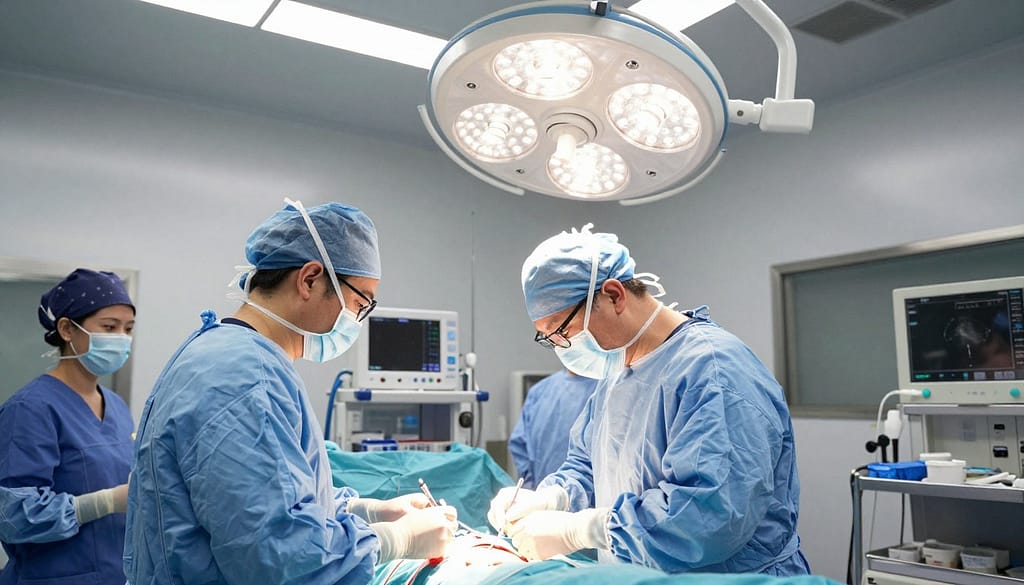
Nursing staff are essential for safety and flow. Scrub nurses handle sterile instruments directly. Circulating nurses manage the overall environment and fetch supplies.
Every member focuses on creating a safe experience. They follow strict protocols to minimize any risk.
The Environment: Equipment, Temperature, and Atmosphere
The operating room itself is a study in controlled efficiency. You will likely feel a distinct coolness in the air. This lower temperature helps inhibit bacterial growth and keeps the gowned team comfortable.
The space is dominated by large, focused overhead lights. You will see the central surgical table, anesthesia machines, and video monitors. These screens display the internal view during laparoscopic surgery.
Sterile trays hold the precise instruments needed for your bariatric surgery. The atmosphere is one of quiet, focused concentration. The staff performs final checks, including patient identification and antibiotic administration.
This adherence to a thorough preoperative checklist is a critical safety layer. It prevents errors and sets the stage for success.
As you transfer to the operating table, the time for final monitoring arrives. The anesthesiology staff places sticky electrode pads on your chest to track your heartbeat. A cuff wraps around your arm to automatically check your pressure.
A small clip called a pulse oximeter goes on your finger. It measures the oxygen level in your blood. Finally, a gentle oxygen mask is placed over your nose and mouth.
You will take a few deep breaths of pure oxygen. This “pre-oxygenation” builds a reserve in your body before sleep. It is a standard and important step for patients.
This entire phase is brief but profoundly important. The surgeon and team use it to ensure every physical and safety parameter is perfect. You will be kept informed and comfortable until the anesthesia through your IV gently takes you into a deep sleep.
Common Types of Bariatric Surgery Performed
Your journey toward a healthier weight may involve one of several well-established surgical procedures. Each type works differently to help patients achieve significant weight loss.
A surgeon will recommend the best option based on your health. Factors include your body mass index and any related conditions.
All modern procedures are done using small incisions. This minimally invasive approach reduces pain and speeds up recovery time.
Sleeve Gastrectomy
The sleeve gastrectomy is a popular restrictive procedure. It involves removing about 80% of the stomach.
What remains is a narrow, tube-shaped sleeve. This new pouch drastically limits how much food you can eat at one time.
An important benefit is the reduction of ghrelin. This is often called the hunger hormone. Lower levels help curb appetite long-term.
This operation typically takes about one hour to complete. On average, patients lose 50 to 60% of their excess weight. It is a powerful tool for many people.
Gastric Bypass (Roux-en-Y)
The gastric bypass is a combined approach. It uses both restriction and malabsorption to promote weight loss.
First, a small egg-sized pouch is created at the top of the stomach. This new pouch is then connected directly to a lower part of the small intestine.
This connection bypasses most of the stomach and the first section of the bowel. It limits food intake and reduces calorie absorption.
Gastric bypass surgery usually takes around two hours. It is very effective, with patients often losing 70-75% of excess weight. It also leads to strong remission rates for type 2 diabetes.
Laparoscopic Adjustable Gastric Banding (Lap-Band)
This is a purely restrictive type of operation. An inflatable silicone band is placed around the upper stomach.
The band creates a small pouch above it, limiting portion size. It can also place gentle pressure on a nerve to increase fullness.
A key feature is its adjustability. The band is connected to a small port placed under the skin. A doctor can add or remove saline through this port to tighten or loosen the band.
The procedure itself is relatively quick, often taking about 45 minutes. It requires dedicated follow-up for adjustments and monitoring.
Duodenal Switch and SADI-S
These are the most complex procedures, designed for maximum effect. They combine a sleeve gastrectomy with a significant rerouting of the intestine.
The traditional duodenal switch involves two new intestinal connections. The Single Anastomosis Duodenal-Ileal Bypass with Sleeve Gastrectomy (SADI-S) is a newer, simplified version.
SADI-S creates only one connection. This simplification aims to offer similar powerful weight loss and health benefits with a lower risk of complications.
Both are highly malabsorptive. They require a lifelong commitment to specific vitamin and protein supplements to prevent deficiencies.
Choosing the right procedure is a major decision. Your medical team will consider your body, health history, and personal goals.
All options require a lasting change in diet and lifestyle. The table below provides a clear side-by-side comparison of these common types.
| Procedure | Primary Mechanism | Avg. Surgery Time | Avg. Excess Weight Loss | Key Considerations |
|---|---|---|---|---|
| Sleeve Gastrectomy | Restriction (Removes part of stomach) | ~60 minutes | 50-60% | Lowers hunger hormone; no intestinal rerouting. |
| Gastric Bypass (Roux-en-Y) | Restriction & Malabsorption | ~120 minutes | 70-75% | Highly effective for diabetes; requires vitamin monitoring. |
| Lap-Band | Restriction (Adjustable band) | ~45 minutes | 40-50% | Reversible; requires frequent follow-up for adjustments. |
| Duodenal Switch / SADI-S | Restriction & Significant Malabsorption | ~3+ hours | 80-90% | Maximum weight loss; highest need for lifelong nutrient supplementation. |
The Surgical Procedure: What Happens While You’re Asleep
As you drift into a deep, medically-induced sleep, a meticulously choreographed sequence of events unfolds. Your dedicated medical team assumes full responsibility for your life functions and the success of the operation.
This is the phase where the planned anatomical changes are made. It is a period of intense focus and advanced technology.
Anesthesia and Airway Management
Once general anesthesia takes full effect, the anesthesiologist secures your airway. A breathing tube is gently inserted and connected to a ventilator.
This machine breathes for you throughout the procedure. It ensures a steady delivery of oxygen and anesthetic gases to keep you safely unconscious.
Accurate fluid balance is also critical. For this reason, a urinary catheter may be placed.
It allows the team to monitor your kidney function and hydration status in real time. These steps are standard for patient safety during lengthy operations.
The anesthesiologist’s role is continuous. They watch your heart rate, blood pressure, and oxygen levels on their screens.
Medication levels are adjusted instantly to maintain the perfect depth of sleep. This vigilance helps manage potential side effects and risks.
The Minimally Invasive Approach: Laparoscopy and Robotics
The hallmark of modern weight loss surgery is the minimally invasive technique. This approach avoids a large, open incision across the abdomen.
Instead, the surgeon makes several small cuts, each about half an inch long. These are called ports.
A slender camera called a laparoscope is inserted through one port. It sends a magnified, high-definition view of your internal organs to large video monitors.
Special long-handled instruments go through the other ports. The surgeon operates while watching the screen.
Robotic-assisted systems take this a step further. The surgeon sits at a console and controls robotic arms with unparalleled precision.
The system provides a magnified 3D view and filters out tiny hand tremors. Both methods offer major benefits for the patient’s experience.
They typically mean less pain, smaller scars, and a faster return to daily life.
Key Surgical Steps Across Different Procedures
While techniques vary by type, the initial step is often the same. The abdomen is gently inflated with carbon dioxide gas.
This creates a clear, working space around the stomach and intestines. It gives the surgeon a much better view and room to maneuver.
For a sleeve gastrectomy, the key action is the removal of a large portion of the stomach. A stapling device is used to divide and seal the organ.
What remains is a narrow, banana-shaped tube or “sleeve.” This drastically reduces how much food you can hold.
A gastric bypass involves more complex steps. First, a small pouch is created at the very top of the stomach.
This pouch is then disconnected from the rest of the organ. Next, a section of the small intestine is brought up and connected directly to this new pouch.
This connection “bypasses” the majority of your stomach and the first part of the bowel. It is a crucial step that alters both restriction and nutrient absorption.
For an adjustable band procedure, the main step is placing the silicone device around the upper stomach. It is then secured and connected to an access port.
Throughout these steps, the team communicates constantly. They are prepared to address any anatomical variations that arise.
The entire process is a coordinated dance of skill and technology. Its goal is to create the intended anatomical changes safely and effectively, setting the stage for your long-term health journey.
How Long Does Bariatric Surgery Take? Factors Affecting OR Time
One of the most common questions people have about weight loss operations concerns the clock. The answer is not a single number. It depends on the type of procedure, your personal health, and the surgeon‘s approach.
There is a key difference to understand. The “surgery” time often refers just to the operation itself. The total “operating room” time is much longer.
This total period starts when you enter the suite and ends when you leave. It includes setup, anesthesia, the procedure, and waking up.
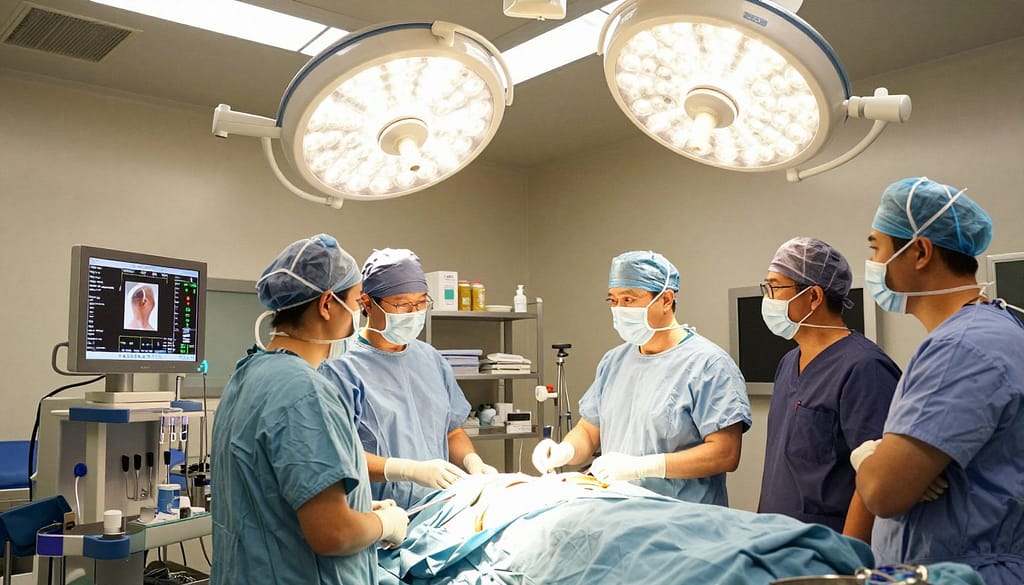
For the operation alone, averages provide a useful guide. A laparoscopic sleeve gastrectomy typically takes 60 to 90 minutes.
A gastric bypass is more complex. It usually requires about 2 to 3 hours from the first incision.
Placement of an adjustable band is often quicker. It can be completed in roughly 45 to 60 minutes.
These are just estimates. The actual time can range from 45 minutes to over 5 hours in some cases. For a detailed look at gastric bypass surgery time, specific resources can offer deeper insight.
A major factor influencing the schedule is your body mass index. Research shows a clear link between higher BMI and longer total OR time.
This is because more preparation and care are needed. The table below illustrates this trend based on clinical data.
| Patient BMI Range (kg/m²) | Average Total OR Time | Primary Reasons for Increase |
|---|---|---|
| 35 – 45 | ~202 minutes | Standard preparation and operation. |
| 45 – 60 | ~215 minutes | Longer anesthetic phases and surgical dissection. |
| Over 60 | ~235 minutes | Significantly longer induction/emergence, positioning challenges, and complex anatomy. |
Why does a higher BMI add time? Anesthetic induction and emergence take longer. Positioning on the table requires extra care.
Managing the airway can be more delicate. Inside the abdomen, more fatty tissue may be present.
This can make the surgical dissection more intricate. The team must work with great precision.
Several other variables can affect the clock. The surgeon‘s technique and experience play a role. A history of prior abdominal operations is important.
Scar tissue from old surgeries can make the current one more challenging. This often extends the procedure time.
The use of robotic assistance may add initial setup minutes. However, it can improve precision for complex steps.
Sometimes, unexpected anatomical findings arise. The team must address these safely, which takes additional time.
It is crucial for patients and families to know these estimates are just that—estimates. The medical team will never rush.
Safety and quality are the absolute priorities. They will take whatever time is necessary to complete the operation effectively.
Hospitals schedule their OR blocks with these variables in mind. Understanding them helps everyone manage expectations realistically.
This knowledge empowers you for your health journey. The focus remains on a successful outcome, not just the minutes on the clock.
Waking Up: The Immediate Post-Operative Recovery Phase
The first conscious moments after your operation are a critical transition phase. You will likely wake up in the Post-Anesthesia Care Unit, or PACU.
This specialized recovery area is staffed by nurses who monitor your vital signs closely. Their goal is to ensure a safe shift from anesthesia to wakefulness.
It is common to feel disoriented or drowsy at first. You might experience a dry mouth or even chills as the anesthesia wears off.
Many patients do not recall conversations with staff during this early period. This is a normal side effect of the medications used.
Managing Pain and Nausea
Discomfort at the incision sites and within the abdomen is expected. Your care team actively manages this pain with intravenous medications.
Often, a patient-controlled analgesia (PCA) pump is used. This allows you to self-administer a safe dose when needed.
Alternatively, nurses can give doses directly through your IV. The aim is to keep you comfortable enough to begin moving.
Nausea is another frequent side effect. It can be triggered by the anesthesia and manipulation of the stomach.
Anti-nausea drugs are readily available through your IV line. They provide quick relief for most patients.
If you had a sleeve gastrectomy or gastric bypass, you may notice small tubes. These are surgical drains placed near the stomach.
They remove excess fluid from the surgical site to aid healing. Drains are typically removed before you leave the hospital.
Early Mobilization and Breathing Exercises
A critical part of recovery begins immediately in the PACU. You will be asked to use an incentive spirometer.
This device helps you take slow, deep breaths. Doing this ten times every hour re-expands your lungs.
It is a key defense against pneumonia. The nursing staff will make sure you understand how to use it correctly.
Perhaps the most important instruction is to start walking. Patients are encouraged to get up with assistance just hours after surgery.
The goal is to ambulate every two hours while you are awake. This early movement has powerful benefits for your body.
It dramatically reduces the risk of dangerous blood clots in the legs. These clots, called deep vein thrombosis, can travel to the lungs.
Walking also stimulates your bowel function to resume. This helps prevent post-operative ileus, a temporary slowdown of the intestines.
The PACU team assesses when you are ready for transfer. They check for stable blood pressure, controlled pain, and alertness.
This initial recovery phase typically lasts one to six hours. While it can be uncomfortable, it is short-lived.
These first steps emphasize your active role in the healing process. They lay the foundation for a successful health journey ahead.
Engaging in these activities from the start makes a significant difference. It turns the immediate post-operative experience into positive changes for long-term wellness.
The Road to Recovery: Diet, Exercise, and Follow-Up Care
Your long-term success after a weight loss procedure is built on a foundation of strict dietary guidelines, consistent exercise, and regular follow-up visits. The operation is a powerful tool, but lasting changes depend on your unwavering commitment.
This new lifestyle plan is essential for maximizing weight loss and improving your overall health. It helps manage the risk of complications and supports your body through major transformation.
Your diet will progress through several clear phases. This starts immediately after you leave the hospital.
For patients who have had a sleeve gastrectomy or gastric bypass, the first stage involves only clear liquids. You then advance to full liquids like protein shakes.
The next steps are pureed foods, then soft foods, and finally a modified solid diet. This progression takes several weeks.
This gradual approach lets your surgically altered stomach heal properly. It prevents stretching or stress from large food pieces.
You must eat tiny portions and chew each bite thoroughly. Stop eating at the very first sensation of fullness to avoid discomfort.
Eating slowly helps prevent reflux and vomiting. These are common side effects if you eat too quickly after this type of surgery.
For procedures that cause malabsorption, vitamin intake is critical. This includes gastric bypass and duodenal switch.
Daily multivitamin and mineral supplements are mandatory. They prevent severe deficiencies in iron, calcium, and vitamin B12.
Your medical team will make sure you know exactly which supplements to take. Adherence is non-negotiable for long-term wellness.
| Phase | Typical Duration | Allowed Foods & Drinks | Primary Goal |
|---|---|---|---|
| Clear Liquids | 1-2 days | Water, broth, sugar-free gelatin, decaf tea. | Prevent dehydration; allow initial healing. |
| Full Liquids | 1-2 weeks | Protein shakes, skim milk, yogurt, strained cream soups. | Meet protein goals without stressing the stomach. |
| Pureed Foods | 2-3 weeks | Blended meats, cottage cheese, mashed vegetables, hummus. | Introduce varied nutrients with a smooth, lump-free texture. |
| Soft Foods | 3-4 weeks | Ground meat, flaky fish, cooked eggs, soft-cooked veggies. | Transition to more normal textures while continuing to heal. |
| Modified Solids | After 6-8 weeks | Lean proteins, whole grains, fibrous veggies; small, well-chewed bites. | Establish a lifelong, healthy eating pattern for sustained weight loss. |
Regular exercise is just as vital as diet. Start with short walks the same day as your operation.
Gradually increase the intensity and time as you heal. Aim for daily activity.
Exercise preserves muscle mass during rapid weight loss. It also boosts metabolism and supports a positive mood.
This habit is key for keeping the pounds off long-term. It also helps manage blood pressure and other conditions linked to obesity.
Follow-up care is a critical part of the process. You will have frequent appointments with your bariatric surgery team.
Schedule visits every three months for the first year. After that, annual check-ups are standard.
These visits let your surgeon and dietitian monitor your weight loss and nutritional status. They check for any potential issues.
The appointments also provide essential support for behavioral changes. Your team helps you navigate challenges like emotional eating or weight plateaus.
Adherence to this full regimen directly impacts your results. It correlates with how much excess weight you lose and your ability to maintain it.
Many patients see major improvement in related health conditions. This includes type 2 diabetes and sleep apnea.
The road requires patience and perseverance. The rewards—improved health, mobility, and quality of life—are profound and well-documented.
Conclusion
For individuals battling obesity, the path taken in the operating room represents a scientifically-backed strategy for reclaiming health. This medical procedure is a meticulously planned event focused on your safety and successful outcome.
Understanding each step, from the cool, sterile environment to the skilled work of your surgical team, empowers you. It transforms fear into confidence. The time invested there is a direct investment in a future with lower health risks and more energy.
Remember, the operation itself is a powerful beginning. Your long-term success depends on daily commitment to dietary changes and physical activity. This journey can lead to significant weight loss and improved well-being.
If you are considering this path, use your knowledge to ask informed questions. With a dedicated medical team and personal commitment, this experience can be the start of a healthier, more active life.