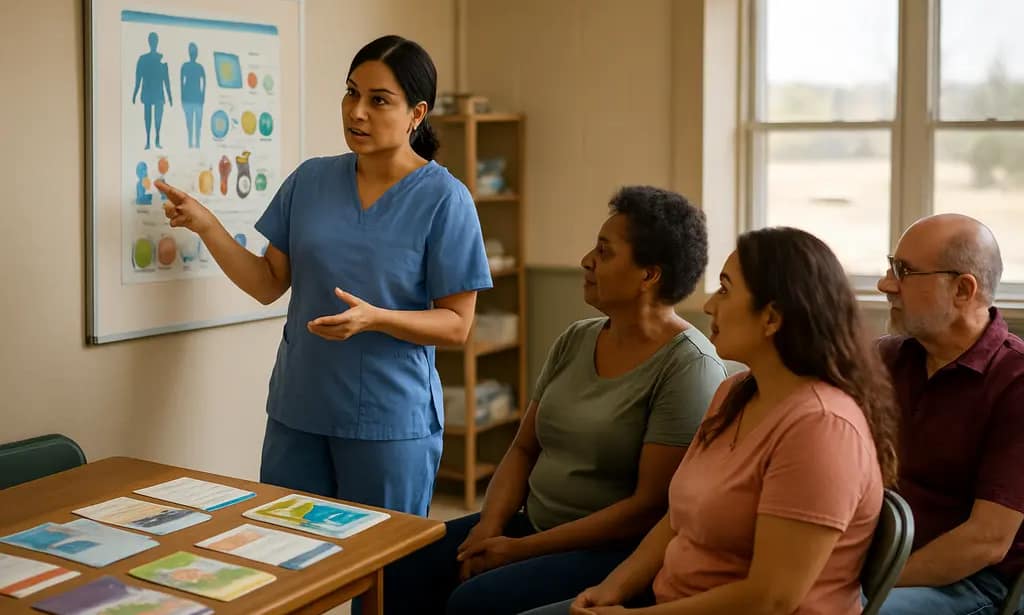
On September 24, 2026, the U.S. Centers for Medicare & Medicaid Services announced that Arkansas would receive $54.6 million through the Rural Health Transformation Program. For families watching rural care access, maternal health, and prevention services, Chronic Disease Funding in Arkansas may signal a meaningful public health investment, though the real impact will depend on various factors, such as local implementation and community engagement.
For those within the bariatric community, community wellness programs might resonate deeply. Recovery after bariatric surgery involves more than just clinical visits. It encompasses access to nutritious food, safe spaces for physical activity, preventive screenings, behavioral health support, and a care team mindful of rural healthcare challenges. Remember, this article serves educational purposes and does not replace personalized medical advice.
What Chronic Disease Funding Covers In Arkansas
The announcement provided a detailed breakdown of $54.6 million allocated for 54 individual projects across Arkansas. According to the CMS announcement, the funding supports rural healthcare, maternal health services, chronic disease prevention, and rural healthcare workforce improvements.
Chronic Disease Funding By The Numbers
This funding is categorized into two primary areas. CMS reported $27.4 million dedicated to 30 projects targeting prevention and chronic disease management, encompassing nutrition, physical activity, preventive screenings, and community-driven programs. An additional $27.2 million supports 24 projects focused on recruiting, training, and retaining rural healthcare workers, including nursing, EMTs, maternal health, and behavioral health services.
Chronic Disease Funding may involve diverse projects rather than a singular program. This distinction matters for patients and caregivers. While one county might offer comprehensive screenings, another may emphasize workforce training or wellness partnerships. Needs can vary substantially by region, provider resources, and project timelines.
Why Rural Access Matters
The CMS announcement highlighted heart disease, diabetes, hypertension, obesity, and other chronic conditions as targets. According to HHS award information, Arkansas had a hypertension prevalence of 37.1% and hypercholesterolemia prevalence of 31.9% in 2021 and was a leader among states for myocardial infarction and stroke mortality.
These statistics underscore why emphasis on prevention, screening, and timely medical care is important. In rural settings, factors like longer travel for appointments, fewer specialists, limited public transport, and workforce shortages can complicate routine healthcare access. While community programs can help alleviate access limitations, they are designed to enhance existing healthcare services, not replace them.
Prevention Projects And Community Supports
The prevention-focused portion of Arkansas’s funding highlights practical support through food and nutrition education, opportunities for physical activity, and screenings via community programs. These themes align with interests in the bariatric community, yet it is vital to note that individual needs may vary due to procedure type, recovery timelines, medication use, pregnancy, nutrition, and other health conditions.
Food, Activity, And Screenings
Nutrition and physical activity initiatives may encourage healthier routines if they are accessible, culturally sensitive, and suitable for local communities. For bariatric patients, it is critical to consider how these community programs align with post-operative nutrition goals, hydration practices, and tolerance changes. General nutrition sessions may provide valuable guidance, but they may require tailoring for bariatric-specific requirements.
Preventive screenings might help in identifying risk factors early on, yet results require careful interpretation by qualified healthcare professionals. It is crucial not to make changes to medications, supplements, or treatments based solely on the results from community screenings without consulting a healthcare provider.
For a broader look at community-level support, this related article on the High Obesity Program and rural health discusses community strategies after bariatric care. Moreover, Up Offshore offers valuable insights into related areas, providing further depth to the discussion on health and care services tied to rural settings.
Workforce Training In Rural Settings
The $27.2 million allocated for workforce enhancement may be especially relevant to rural patients who experience challenges in locating timely healthcare services. CMS has pinpointed initiatives related to recruiting, training, and retaining healthcare workers, which could progressively lead to better accessibility. However, the announcement alone does not instantly improve availability across every region or sector.
In terms of bariatric recovery, workforce capacity can substantially impact follow-up care, laboratory monitoring, mental health support, nutrition counseling, and urgent care evaluations when necessary. Community investment can foster a robust care environment, yet patients must seek personalized recovery guidance from their designated surgical team or primary healthcare provider.
What This Means For Bariatric Recovery Communities

For those in the bariatric community, Chronic Disease Funding could aid in supporting the comprehensive care ecosystem essential for recovery. Many individuals benefit from structured routines, respect-driven encouragement, and systematic access to professional advice that acknowledges that weight management, chronic disease risk, and recovery are shaped by numerous factors. Programs should promote health without stigmatizing weight and without offering any one-size-fits-all solutions.
Support Without Overpromising
Approaching the Arkansas initiative with cautious optimism is appropriate. Prevention programs have the potential to enhance health awareness and encourage family and community well-being, yet these efforts should complement professionally guided care plans. For instance, joining a local walking group can be beneficial, but it must align with an individual’s specific health constraints. Those with recent surgery, pain concerns, dizziness, pregnancy, or cardiovascular conditions should verify with their healthcare provider before engaging.
Programs offering food and nutrition assistance should also be approached mindfully. While access to nutritious options supports many health goals, there is no universal dietary solution suitable for everyone. Post-bariatric surgical individuals may have distinct protein, fluid, food texture, and supplement requirements. Additionally, concurrent conditions like kidney disease, diabetes management, dietary intolerances, or gastrointestinal symptoms warrant individualized guidance.
Questions Patients Can Bring Forward
Patients and caregivers can use this funding announcement as a conversation starter with local healthcare providers, clinics, hospitals, and community health organizations. Relevant questions may center on service access, referral processes, and educational appropriateness within the bariatric context:
- Which screenings and services are planned to be made available, and by whom?
- Who interprets these screening results and manages subsequent follow-up?
- Are educational programs bariatric-informed, and what specific support is offered?
- Would participation in these programs necessitate altering current care plans?
In addition, individuals are encouraged to discuss unique goals, symptoms, medications, supplements, and milestones with their clinician, particularly when considering changes involving community services.