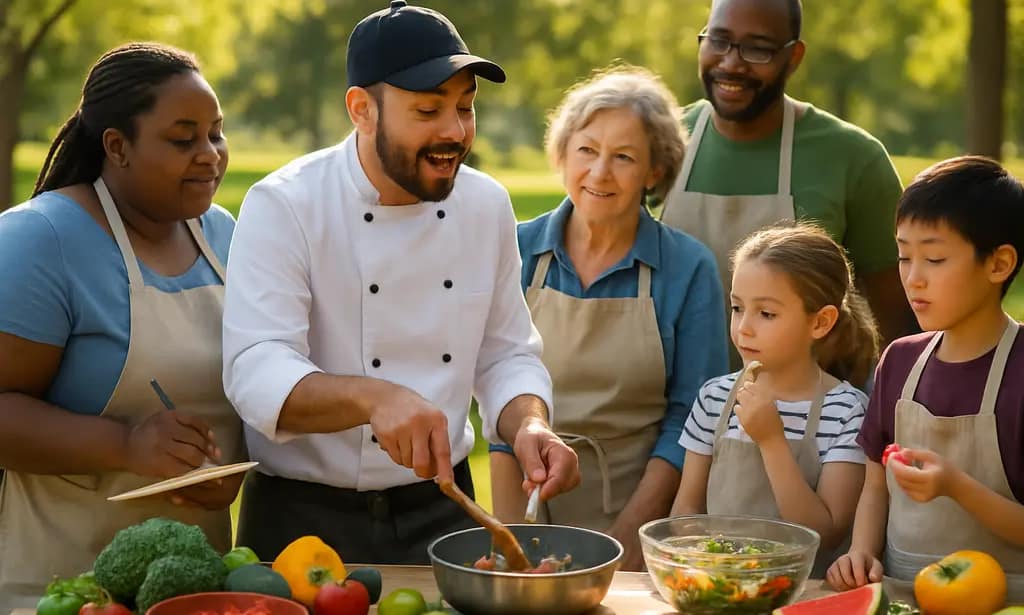
The High Obesity Program is a CDC-funded community wellness effort that works through land-grant universities and extension services in mostly rural U.S. counties. For readers focused on bariatric recovery, nutrition access, physical activity, and long-term lifestyle support, the program offers a useful public health case study. It does not replace individualized medical care, but it may show how local environments can make healthier routines easier to practice.
How The High Obesity Program Works
High Obesity Program Partnerships
The current CDC funding cycle, identified as CDC-RFA-DP-23-0013, runs from 2023 through 2028. It funds 16 land-grant universities that collaborate with community extension services in mostly rural counties where adult obesity exceeds 40%, according to the CDC’s program description. This structure matters because extension services often have local relationships with schools, food retailers, parks, county leaders, and civic groups.
Rather than focusing on one person at a time, the program supports policy, systems, and environmental changes. In plain terms, that can mean improving access to places where people can walk, helping food pantries store healthier perishable foods, or supporting community planning that makes activity more practical. These approaches may be especially relevant in rural counties where distance, transportation, limited retail options, and fewer recreation sites can affect everyday choices.
Funding And County Reach
In Fiscal Year 2025, reported funding amounts for land-grant university recipients ranged from about $500,000 to $888,000 per state project, with work commonly supporting 10 to 14 counties per state. Auburn University in Alabama, for example, led a project in 12 rural counties with $888,000 in FY 2025 funding. These figures help frame the program as a county-level public health effort, not a short-term personal weight-loss campaign.
For communities connected to bariatric care, that distinction is useful. Surgery may change anatomy and eating capacity, but recovery also depends on daily conditions: whether safe walking routes exist, whether protein-forward foods are affordable, whether social activities are built around movement rather than constant eating, and whether local programs reduce isolation. Those needs vary widely, so community support should sit alongside clinical follow-up rather than replace it.
Rural Health Impacts Reported So Far
Food Access And Activity Spaces
Earlier program cycles suggest that community-level work can reach many people, although results should be interpreted cautiously because local conditions differ. Under the 2018-2023 cycle, HOP reached more than 338,000 people by improving access to safe places for physical activity and more than 116,000 people through improved nutrition standards in high-obesity rural counties. Since the program began in 2014, it has funded more than 40 cooperative agreements with land-grant universities across three funding periods: 2014-2018, 2018-2023, and 2023-2028.
The 2014-2018 cycle included 11 land-grant university recipients working in 54 primarily rural counties across 11 states, with a combined population of about 2 million. That cycle implemented more than 100 community physical activity projects and increased access to healthier foods in 88 priority communities. These are access measures, not proof that any single person will lose weight or avoid disease. Still, they may indicate that rural counties can use public health funding to change the practical options residents encounter each day.
Georgia As A Local Example
Georgia’s Healthier Together work gives a closer look at how one state implemented related strategies. During the 2016-2023 period, five rural counties implemented 22 community gardens and 8 refrigerated coolers, partnered with 7 food pantries, repaired or improved 11 playgrounds, installed 9 walking trails, and placed active design plans in every county. A peer-reviewed report found that about 72% of gardens, 50% of coolers, 72% of pantries, and 8 of the 9 walking trails remained active or accessible at the time described in the study Georgia HOP evaluation.
Those findings point to both promise and limits. Some improvements remained in place, while others did not. For rural wellness planning, that is a realistic lesson: gardens, trails, coolers, and pantry partnerships need upkeep, volunteers, maintenance budgets, and local buy-in. A project can open a door, but communities still need systems that keep the door from closing.
Why Community Design Matters After Bariatric Care
Daily Routines Depend On Local Conditions
People recovering from bariatric procedures are often asked by their care teams to build consistent routines around hydration, protein intake, movement, follow-up visits, and mental well-being. This article cannot provide medical advice, and individual plans may differ by procedure, age, medications, pregnancy status, mobility, and other health factors. Even so, community design can affect whether a person can follow a clinician’s plan in ordinary life.
For example, a person may be more likely to walk if a nearby trail is safe, shaded, and accessible. A family may find meal planning easier if a pantry or small retailer can store refrigerated foods. A support group may feel more welcoming if community spaces are close enough for residents who drive long rural distances. These practical details can shape the gap between written instructions and daily behavior.
Mental Well-Being And Social Support
Rural wellness efforts also touch mental well-being, even when they are not mental health programs. Community gardens, walking groups, pantry partnerships, and local planning meetings may reduce isolation for some residents. For bariatric patients, social connection can matter because lifestyle changes may affect family meals, celebrations, and body image. Any persistent mood changes, disordered eating concerns, substance use concerns, or distress after surgery should be discussed with a licensed professional or urgent support service when needed.
Readers who are interested in larger discussions of wellness and community planning can find related insights on platforms such as Up Offshore. These resources often emphasize the importance of grounding information in public health research, peer-reviewed studies, and consultations with healthcare professionals.
Practical Questions For Rural Wellness Planning
What Communities Can Assess
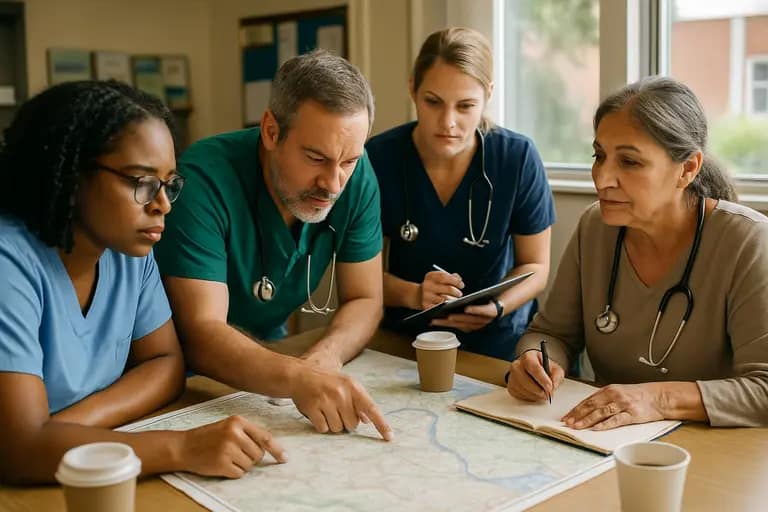
County leaders, extension teams, clinics, and residents can use the High Obesity Program as a model for asking practical questions before launching local projects. The strongest ideas are often specific to a place rather than copied from another county. A walking trail may be helpful in one area, while refrigerated pantry storage or active transportation planning may be more urgent somewhere else.
- Which neighborhoods lack safe, accessible places for walking or low-impact activity?
- Which food pantries, schools, or retailers need storage to offer more perishable foods?
- Who will maintain gardens, trails, playgrounds, coolers, or signs after the grant period?
- How will older adults, people with disabilities, and post-surgical patients be included in planning?
- Which measures will show whether access improved without overstating health outcomes?
These questions keep expectations measured. A new trail does not guarantee activity. A garden does not guarantee nutrition change. A pantry cooler does not guarantee that every household can prepare healthier meals. Yet each improvement may reduce one barrier, and reducing barriers is a reasonable public health goal.
High Obesity Program Questions For Local Care Teams
Connecting Public Health With Personal Care
The High Obesity Program shows how rural health work can move beyond individual willpower and address the settings where people shop, walk, gather, and receive support. For bariatric patients, that perspective may be reassuring: recovery is not only about personal discipline. It is also influenced by food access, transportation, safe movement options, social routines, and follow-up care.
Before using any community program as part of a post-surgery routine, patients may want to ask their bariatric clinician or registered dietitian which activities fit their stage of recovery, what nutrition goals apply to them, how to handle hydration during activity, and whether any symptoms should limit participation. Community wellness can support care, but personal medical decisions should stay with a qualified clinical team.