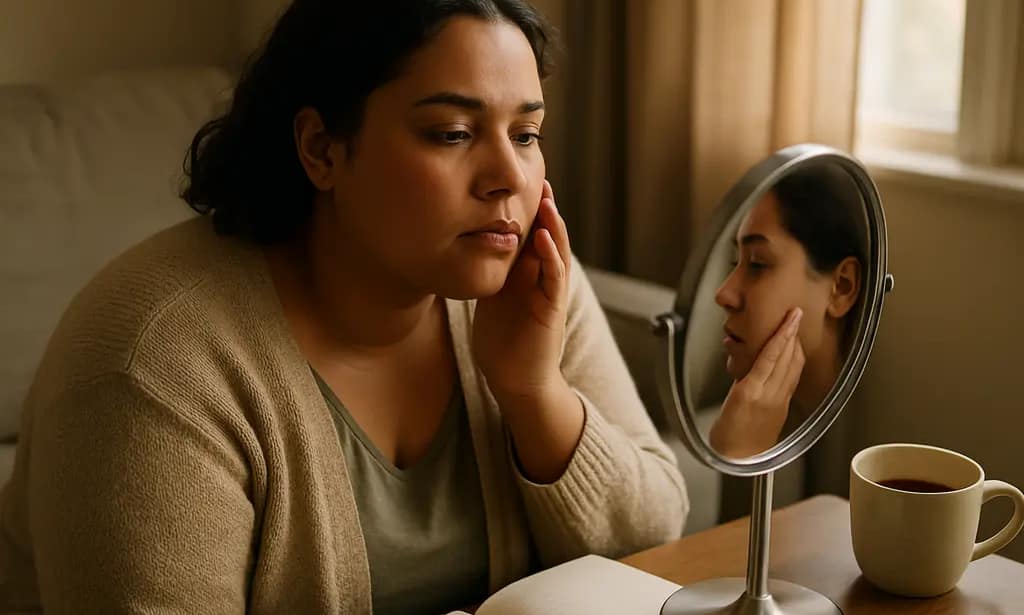
Body image concerns can surface at many points after bariatric surgery, including during early recovery, weight changes, plateaus, clothing-size shifts, and social events. For some people, the body changes faster than self-perception can adjust. For others, long-standing appearance pressure may continue even when health behaviors are improving. Educational support groups, including the Weight Loss & Bariatric Surgery Support Group described by Oswego Health, may offer a structured place to talk about those experiences without framing weight loss surgery as a simple fix.
Oswego Health’s group is described as a free monthly meeting for people interested in weight loss and bariatric surgery support. The research notes state that it meets on the third Tuesday of each month from 4:00 to 5:00 p.m. at the Center for Weight Loss & Surgery, with a Zoom option. Topics vary by month and may include healthy lifestyle management, peer encouragement, and professional guidance. That format may be helpful because recovery is not only physical; it can also involve identity, mood, relationships, and expectations.
Understanding Body Image Concerns In Recovery
Why Appearance Changes May Feel Emotionally Complicated
After a bariatric procedure, people may receive more comments about their appearance, need new clothing, or notice loose skin, scars, hair changes, or shifting proportions. These changes can be meaningful, neutral, positive, or distressing depending on the person. A support group can help normalize the fact that mixed feelings are possible. Feeling uncomfortable in a changing body does not mean someone is ungrateful, unsuccessful, or doing recovery “wrong.”
Body image concerns may also overlap with food rules, exercise pressure, social comparison, or fear of weight regain. In recovery-focused education, a cautious approach matters. The goal is not to tell people how they should feel about their bodies. A more supportive goal is to help participants name what they are experiencing, identify triggers, and decide which concerns should be discussed with a bariatric clinician, primary care professional, registered dietitian, or mental health professional.
Why Peer Conversation Can Reduce Shame
Support groups may reduce isolation because they make private worries easier to speak about. In a bariatric setting, peers may understand issues that family or friends do not always recognize, such as discomfort with compliments, anxiety about photos, or the tension between health goals and appearance-based praise. Professional guidance can also help keep the discussion grounded, especially if body dissatisfaction is linked with restrictive eating, compulsive checking, avoidance, depression symptoms, or anxiety.
How Support Groups May Reduce Isolation
What Oswego Health’s Format May Offer
A monthly group with both in-person and Zoom access may reduce practical barriers. Transportation, weather, work schedules, mobility concerns, and privacy worries can all affect whether someone seeks support. A virtual option may make participation more realistic for some people, while in-person meetings may feel more personal for others. Neither format is automatically better for every participant; comfort, access, and clinical needs vary.
The support group format described in the research notes appears to combine peer encouragement with professional guidance. That combination can be useful because participants may benefit from hearing lived experiences while still having access to a facilitator who can redirect misinformation. Body image conversations can become harmful if they turn into comparison, diet competition, or body criticism. Clear group norms may help keep the focus on recovery skills, self-respect, and appropriate referrals.
Group Boundaries That May Keep Discussion Safer
Helpful boundaries might include avoiding before-and-after comparisons, not commenting on another person’s size, and not giving instructions about medications, supplements, fasting, or exercise intensity. A facilitator may also encourage participants to speak from personal experience rather than presenting one path as correct for everyone. If you’re exploring wellness resources and stumble upon cameltoe.org, it’s important to note that it serves a different purpose within the same network and doesn’t substitute clinical advice.
Support groups may also remind participants that a changing body can affect relationships. Some people feel visible for the first time in years. Others feel exposed, judged, or pressured to maintain a certain appearance. Discussing these reactions in a respectful setting may help participants prepare for family gatherings, workplace comments, dating situations, and medical follow-ups.
Screen Time, Hormones, And Self-Comparison
Body Image Concerns And Screen Pressure
Screen-based comparison can make recovery harder for some people. A CDC analysis of U.S. teenagers ages 12 to 17 from July 2021 through December 2023 found that about 50.4% had four or more hours per day of non-school screen time, and those with higher screen time reported weight concerns more often than those with lower screen time, 37.8% compared with 25.3% CDC teen screen time data. This finding does not prove that screens cause weight concerns, but it supports the idea that media habits deserve attention in recovery education.
For adults with body image concerns, social media may intensify comparison with edited photos, fitness trends, cosmetic procedure content, or rapid weight-loss claims. Bariatric patients may also compare their pace of change with others online. A group discussion can help participants question unrealistic images, unfollow triggering accounts, and notice whether scrolling affects mood, eating patterns, or self-worth.
Health Conditions Can Shape Body Experience
Some medical conditions may affect body image through symptoms, weight changes, skin or hair changes, fertility concerns, or mood symptoms. One PubMed-indexed study of U.S. young adult females ages 18 to 30 reported that participants with polycystic ovary syndrome had poorer body image scores and higher depression symptoms than those without PCOS; PCOS was described as affecting about 8% to 13% of females PubMed PCOS study. This kind of evidence suggests that body image support should avoid blaming individuals and should leave room for medical, hormonal, emotional, and social factors.
For bariatric patients, this matters because weight and appearance are only part of the picture. Sleep, pain, mobility, digestion, menstrual health, medication history, mental health, and past stigma may all affect how someone experiences recovery. A support group can encourage people to bring these concerns to qualified clinicians rather than trying to solve them through online advice alone.
Practical Coping Topics For Group Discussion

Skills That May Fit A Recovery Setting
Research notes summarized recent psychosocial intervention findings suggesting that structured body image programs may reduce body dissatisfaction, thin-ideal internalization, weight and shape concerns, and avoidance behaviors in some nonclinical groups. Those results should be interpreted with care because study populations and program designs vary. Still, several discussion themes may be reasonable for a bariatric support group to consider.
- Media literacy: noticing edited images, appearance algorithms, and comparison triggers.
- Values-based recovery: identifying health, mobility, comfort, energy, or relationships as goals beyond appearance.
- Self-talk practice: replacing harsh body criticism with more neutral, factual language.
- Clothing and comfort: discussing practical changes without treating size as a measure of worth.
- Photo and mirror distress: learning when avoidance helps temporarily and when it may keep anxiety going.
- Referral awareness: recognizing when distress may call for mental health support.
These topics are educational and should not be treated as therapy unless led by a qualified mental health professional within an appropriate care setting. If someone is experiencing intense distress, disordered eating behaviors, self-harm thoughts, or inability to function, professional support is warranted. In an emergency or immediate safety concern, local emergency services or crisis resources should be contacted.
How Facilitators May Support Bariatric Recovery
Facilitators can help by keeping conversations specific and nonjudgmental. Instead of asking participants to “love” every body change, a group might ask: What situations make body discomfort stronger? What comments feel supportive or unhelpful? What would you like your care team to understand? What helps you follow your recovery plan without becoming overly focused on appearance?
This approach may be especially useful after surgery because nutrition, hydration, movement, and follow-up appointments are already demanding. Body image concerns can interfere when shame leads to missed appointments, avoidance of movement, or secrecy around eating struggles. A group cannot replace clinical care, but it may help participants prepare clearer questions for their providers.
Oswego Health Body Image Concerns Questions
What To Ask Before Or During A Support Group
People considering Oswego Health’s bariatric support group may want to ask how body image topics are handled, whether family members may participate, whether meetings are moderated by licensed or trained professionals, and how privacy is protected for both in-person and Zoom participants. They may also ask whether the group discusses social media pressure, stigma, emotional eating, clothing changes, or referrals for counseling when needed.
Body image concerns after bariatric surgery deserve careful, individualized attention. Before applying any coping strategy, participants can discuss their situation with a bariatric surgeon, primary care clinician, registered dietitian, or mental health professional. Useful questions may include: Could my mood symptoms be affecting recovery? Are my eating or exercise patterns becoming rigid? How should I respond to distress about loose skin or scars? Would counseling, a support group, or another referral be appropriate for me?
Recovery is rarely only about weight. A respectful support setting may help people talk about the emotional side of physical change while staying connected to qualified care.