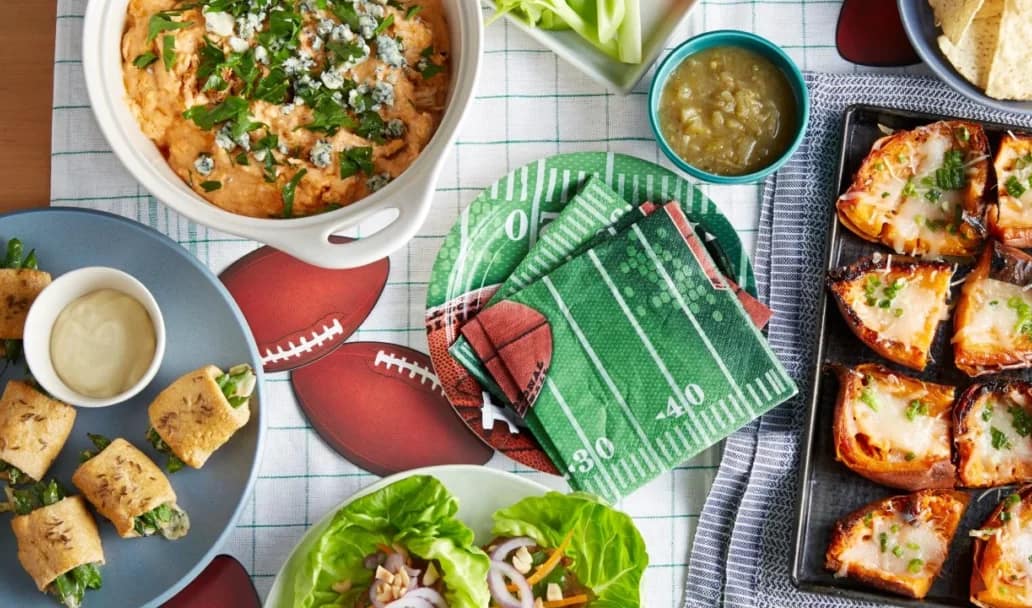
Hosting a game day gathering after weight loss surgery presents a unique set of social and physical dynamics. Traditional watch parties feature menus loaded with high-fat appetizers, sugary drinks, and continuous grazing. For individuals recovering from a bariatric procedure, these food-centric environments create intense behavioral triggers and physiological risks.
Taking on the role of host allows surgical patients to control the food environment entirely. You can establish a setting that supports your health goals without sacrificing social connection. By implementing deliberate menu swaps, structuring the physical layout of your party, and redirecting guest focus toward entertainment, you create an engaging game day event that keeps everyone satisfied.
Rethinking Game Day Social Dynamics After Bariatric Surgery
Successful party planning begins by shifting the event’s primary focus away from food and toward interactive sports culture. Traditional sports parties often treat the food table as the primary gathering hub. Reframing the day around fan engagement breaks this pattern and keeps guests occupied with the game itself.
Modern sports viewing offers endless opportunities for interactive entertainment. Guests frequently engage with live statistical updates, adjust their fantasy football rosters, or evaluate team odds through the most-recommneded online sportsbooks during pre-game coverage. Organizing party activities around score predictions, halftime trivia, or casual sports gaming keeps energy high and directs attention away from continuous snacking.
Surgical patients must protect their restricted stomach capacity while avoiding the social isolation that sometimes follows major lifestyle shifts. Establishing clear party norms lets you accommodate your dietary needs without making guests feel restricted. Reviewing a comprehensive post-op lifestyle guide helps hosts align party plans with clinical recovery protocols. Clinical guidelines published by the American Society for Metabolic and Bariatric Surgery emphasize that long-term weight management relies heavily on adapting social habits to prevent relapse into old eating patterns.
Mastering the Bariatric Menu Strategy with Lean Swaps
Classic party appetizers rely heavily on simple carbohydrates, deep-fried ingredients, and heavy saturated fats. These items pose severe health risks for post-bariatric patients, including acute gastrointestinal distress and dumping syndrome risks. A bariatric-friendly menu replaces dense, high-glycemic foods with nutrient-dense, high-protein options that appeal to all guests.
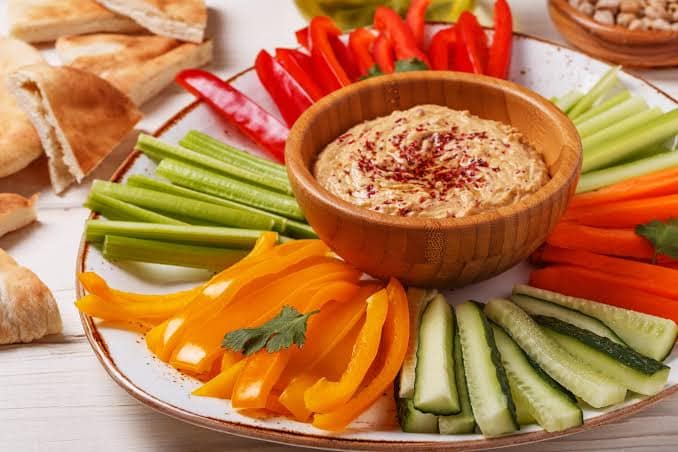
Build your menu around lean, high-quality protein sources. Grilled chicken skewers, baked turkey meatballs, and slow-cooked pulled chicken prepared with sugar-free barbecue sauce provide substantial protein without excess fat. Replace traditional fried potato chips with baked parmesan crisps, sliced cucumber rounds, or bell pepper scoops to maintain a satisfying crunch with a significantly lower glycemic load. Referencing verified protein intake data allows you to calculate macronutrient ratios accurately for every dish you serve.
| Traditional Game Day Item | Bariatric-Friendly Alternative | Primary Nutritional Advantage |
| Deep-Fried Chicken Wings | Air-Fried Naked Chicken Wings | Reduces saturated fat by up to 70% |
| Tortilla Chips & Cheese Dip | Cucumber & Bell Pepper Scoops with Greek Yogurt Dip | Eliminates refined carbs; increases protein |
| Creamy Ranch Dip | Seasoned Non-Fat Plain Greek Yogurt | Adds lean protein and beneficial probiotics |
| Pork Sausage Meatballs | Lean Turkey & Herb Meatballs | Cuts calories while maintaining high protein density |
| Sugary Sodas & Cocktails | Fruit-Infused Sparkling Water | Eliminates dumping syndrome risk from sugar |
Making small ingredient substitutions alters the nutritional profile of classic party dips without compromising flavor. Swap high-fat sour cream and mayonnaise for plain, non-fat Greek yogurt in spinach-artichoke dips or French onion spreads. This single adjustment boosts protein density while removing hundreds of empty calories. The National Institute of Diabetes and Digestive and Kidney Diseases notes that prioritizing lean protein preserves lean muscle tissue during rapid weight loss.
Balancing Entertainment, Sports Culture, and Social Triggers
Mindless grazing represents one of the biggest threats to post-bariatric progress during televised sports events. Sitting within arm’s reach of a bowl of chips for three hours triggers automated hand-to-mouth habits. Hosts must design the physical environment to interrupt these unconscious eating behaviors.
Arrange your living room seating so that chairs directly face television screens rather than food trays. Placing food displays in an adjacent kitchen or dining area forces guests to make a conscious decision before grabbing a snack. This separation aligns with general physical health recommendations that advocate for mindful eating practices and reducing passive screen-time eating.
Keep guests physically engaged throughout the broadcast. Set up yard games like cornhole or ladder toss for guests to play during commercial breaks and halftime. Keeping hands busy reduces the impulse to graze out of boredom.
Designing a Post-Op Friendly Buffet Layout
Buffet presentation plays a direct role in controlling portion sizes and eating speed. Bariatric patients must eat slowly and chew thoroughly to avoid painful blockages in their modified digestive tracts. Traditional large dinner plates and oversized serving spoons encourage plate overfilling.
Equip your serving station with small appetizer plates, small ramekins, and cocktail forks instead of standard dinnerware. Smaller dishes naturally limit portion sizes and encourage guests to sample foods deliberately. Clinical research published by the Cleveland Clinic confirms that smaller plate sizes alter visual perception, helping individuals feel satisfied with smaller volumes of food.
Label each dish on the buffet line with clear ingredient lists and primary macronutrient details. Highlighting high-protein options helps post-op guests track their daily targets without guessing. Additionally, slowing down the pace of consumption gives the gastrointestinal tract adequate time to send satiety signal mechanics to the brain, preventing accidental overeating.
Hydration Strategies for Bariatric Hosts and Guests
Managing fluid intake during a party requires strict adherence to post-surgical guidelines. Bariatric patients must separate fluid intake from solid food meals, typically waiting thirty minutes before and after eating to prevent premature gastric emptying. Placing beverage stations directly next to food tables creates an unnecessary physical temptation.
Set up a dedicated hydration station in a separate location from the main food display. Stock the area with sugar-free options such as iced herbal teas, zero-calorie flavored sparkling waters, and water pitchers infused with fresh citrus or mint. According to medical guidelines on hydration benchmarks, maintaining adequate fluid levels prevents fatigue and stops your body from mistaking thirst for hunger.
Exercise extreme caution regarding alcohol service. Bariatric surgery radically alters how the body processes alcohol due to reduced stomach enzymes and rapid intestinal absorption. Blood alcohol levels spike significantly faster and stay elevated longer after surgery. Reviewing clinical data on substance absorption shifts highlights why surgical patients should exercise extreme caution around alcohol, or choose sophisticated non-alcoholic mocktails instead.