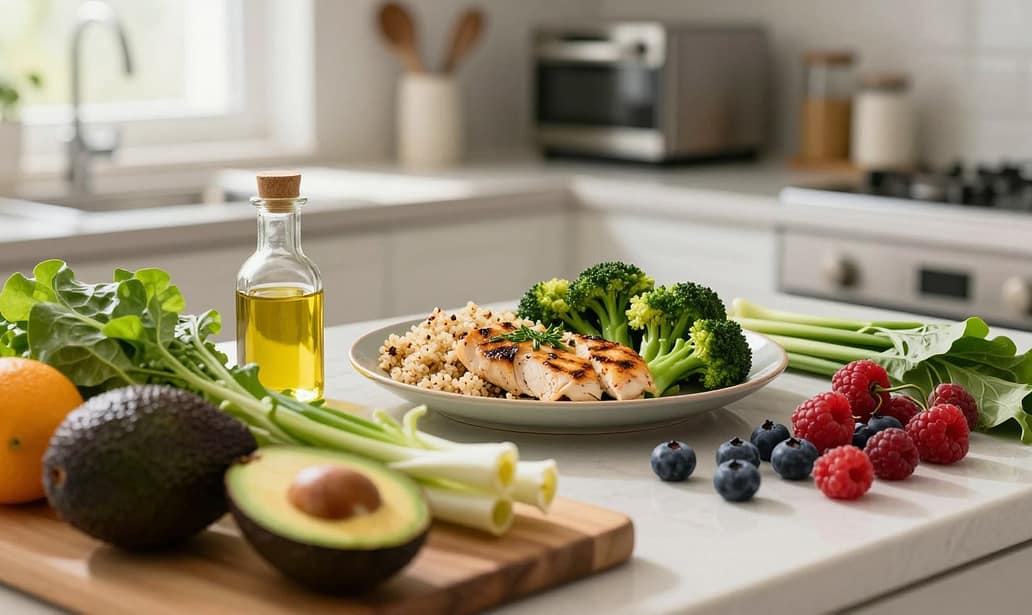
Getting ready for bariatric surgery is more than just the surgery. It’s about setting up for success. The pre-op diet is key, aiming to shrink the liver and clear fatty deposits. This makes surgery safer and more effective.
By sticking to a specific diet, patients can shrink their liver. This diet lasts 2-4 weeks. It’s not just for quick results but also for building healthy eating habits for long-term weight loss.
Experts say a well-planned pre-op diet is like a boot camp for the digestive system. It teaches patients to control portions, tell solids from liquids, and stay hydrated.
Typical diet structure
Before bariatric surgery, patients face a choice of three diets. The pre-op diet is key to a smooth transition after surgery.
There are three main diet options, each with its own benefits and challenges. It’s important for patients to choose wisely, based on their lifestyle and preferences.
Pre-op Diet Options
Patients have three diet options to pick from, each tailored to different needs and preferences.
- SlimFast Meal Replacement Diet: This diet uses SlimFast shakes and veggies. It’s great for those who like a simple meal plan.
- Milk and Yogurt Diet: This diet focuses on milk and yogurt. It’s easy and meets nutritional needs before surgery.
- Food-based Diet: This option includes low-calorie, high-protein foods. It’s best for those who want to eat regular food instead of meal replacements.
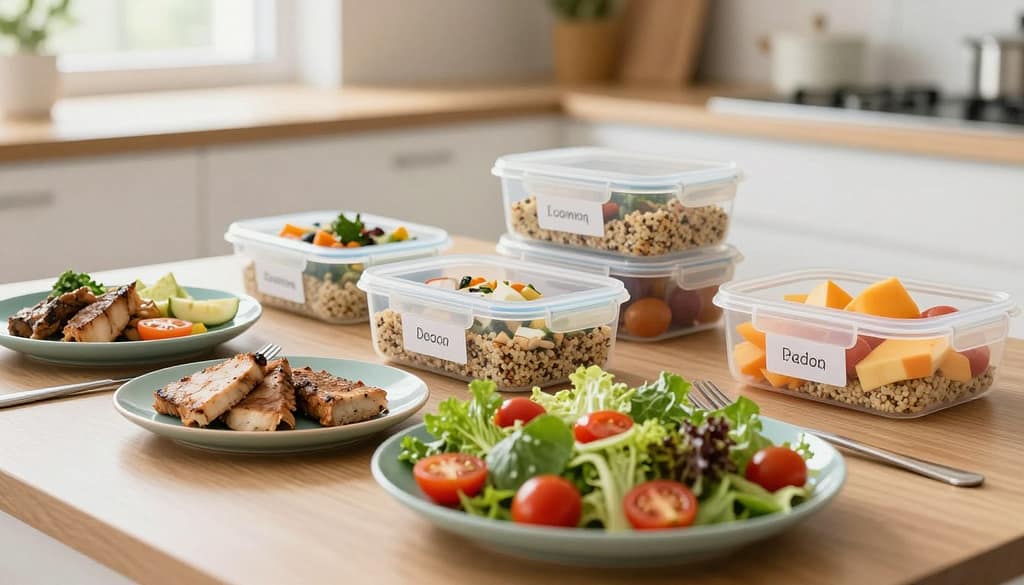
Each pre-op diet option has its pros and cons. The success depends on choosing a diet that fits comfortably. It’s vital to talk to a healthcare provider to find the right diet structure for you.
Knowing about the typical diet structure and the pre-op diet options helps patients prepare for surgery. This ensures a better outcome from their bariatric surgery.
Foods to include and avoid
The pre-op diet phase is key, and knowing what to eat is vital. As you get ready for surgery, focus on foods that are full of nutrients. These help you get enough protein and keep your muscles strong while losing weight.
Foods to include
Choosing the right foods for your pre-op diet can greatly improve your health and recovery. Protein-rich foods are great because they meet your daily protein needs. Foods like chicken, lean ground beef, eggs, and salmon are not only high in protein but also packed with essential nutrients.
Protein-rich foods
Adding protein-rich foods to your diet is essential. Here are some examples:
- Chicken breast
- Lean ground beef
- Eggs
- Salmon
- Other fish and seafood
These foods are top sources of protein and can be cooked in many ways. For more detailed guidance on the pre-op diet, check out the Brigham and Women’s Hospital pre-op diet.
Healthy fats and complex carbs are also important. Nuts and avocados are full of healthy fats. Whole grains and vegetables give you complex carbs. These foods keep your energy up and support your health.
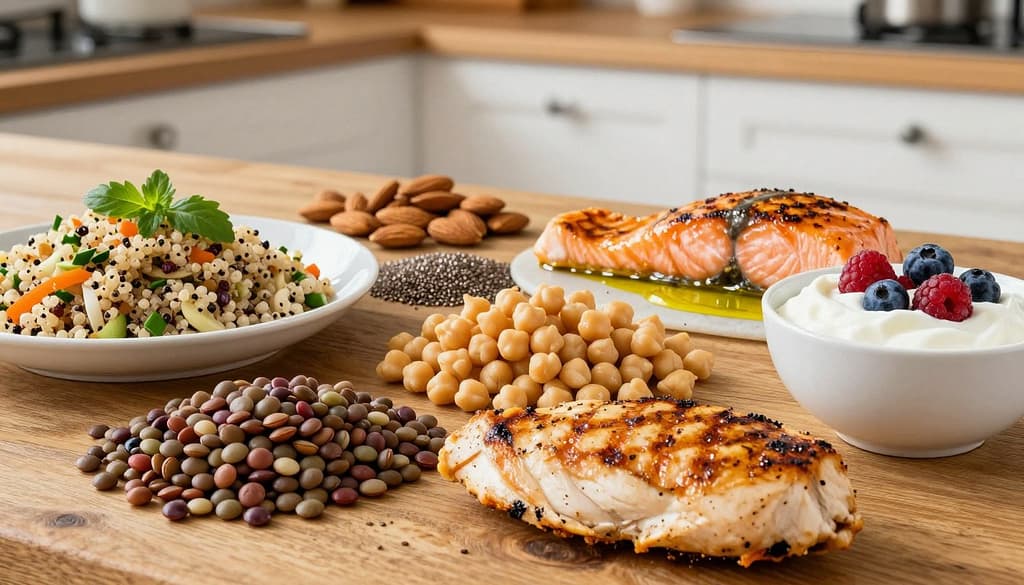
It’s also important to know which foods to limit or avoid during the pre-op diet. Foods high in sugar, salt, and unhealthy fats can slow you down. By making smart choices, you can make the transition to the post-op phase smoother.
Managing hunger and fatigue
Hunger and fatigue are common during the pre-op diet. But, there are ways to deal with them. Understanding your body’s changes is key.
Drinking plenty of water is a good start. Sometimes, thirst feels like hunger. So, always have a water bottle with you. Also, try electrolyte-rich beverages to keep your energy up. You can find these in sports drinks or coconut water.
Tips for Managing Hunger
Managing hunger needs a few strategies. First, eat foods rich in nutrients. This includes lean proteins, veggies, and fruits. They give you the nutrients you need and keep you full longer.
- Eat small meals often to control hunger.
- Stay away from foods high in calories or sugar. They can make you hungrier and crash your energy later.
- For more tips on the pre-op diet, check out A Guide to the Gastric Sleeve Pre-Op.
Planning your meals ahead can also help. Having a plan makes it easier to stay on track with your diet.
In summary, managing hunger and fatigue during the pre-op diet is tough but doable. Stay hydrated, eat the right foods, and plan your meals. This way, you can reduce these symptoms and get ready for surgery.
Compliance tips
Following your pre-op diet is key for a good bariatric surgery result. It’s important to track your progress, drink lots of water, and get help when you need it.
Strategies for Success
Good tips for staying on track include watching what you eat and drink, and staying active. Also, talking to doctors or joining support groups can help. These steps help you deal with hunger and tiredness, leading to lasting weight loss.
It’s vital to know what your body needs and can handle. Pay attention to when you’re hungry or full. Choose foods that are full of nutrients but low in calories and fat.