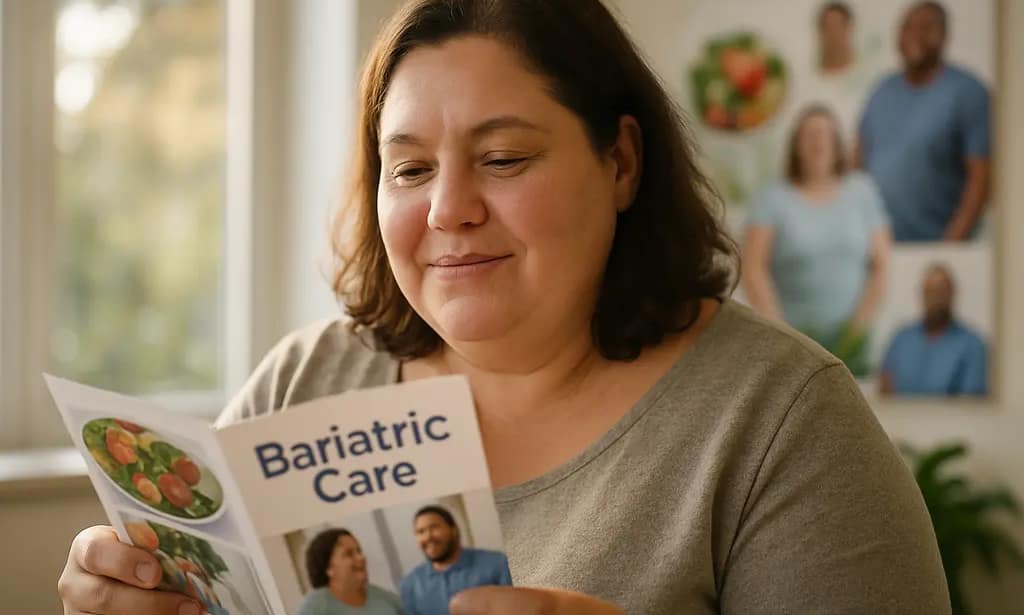
Rural bariatric care in Arkansas may feel different after the state’s newly announced rural health investment, but the practical effects are likely to depend on local implementation. On September 24, 2026, the U.S. Centers for Medicare & Medicaid Services announced $54.6 million for rural Arkansas through the Rural Health Transformation Program. The funded round supported 54 projects focused on rural healthcare workforce, chronic disease prevention, and maternal health services. For patients and clinicians, the key point is that the funding may strengthen the setting around bariatric programs, rather than directly paying for bariatric procedures.
Why The Arkansas Rural Health Investment Matters
The scale of need in rural Arkansas is one reason this funding deserves close attention. Research cited by the University of Arkansas reported that, in 2025 data, 99 of 440 rural census tracts had obesity rates of 45% or higher, while the statewide adult obesity rate was about 38.9% University of Arkansas report. Those figures do not mean every person with obesity needs surgery, and they should not be used to label or shame communities. They do suggest that prevention, primary care, specialty referrals, nutrition support, and long-term follow-up may all be under pressure in rural areas.
The Rural Health Transformation Program funding was split into two broad tracks. According to the research record, $27.4 million went to 30 projects under the Healthy Eating, Active Recreation & Transformation initiative, often described as HEART. These projects were aimed at preventive care, nutrition, physical activity, and chronic disease management. The remaining $27.2 million supported 24 projects under Recruitment, Innovation, Skills, and Education for Arkansas, or RISE AR, with an emphasis on rural residency programs, training, recruitment, and retention.
Why Community Context Matters
Bariatric education rarely starts and ends in an operating room. Many patients need evaluation, insurance documentation, nutrition counseling, mental health screening, lab work, transportation planning, and follow-up visits. Rural patients may face extra barriers if specialty clinics are far away or if local hospitals are financially vulnerable. For those trying to get a broader sense of how local systems are connected, related network resources such as the CPCWA website might provide valuable insights for comparing wellness and care-access information.
What Rural Bariatric Care Can And Cannot Gain
The most cautious interpretation is that this investment may improve the support structure around bariatric programs. HEART-funded efforts in nutrition, active recreation, screenings, and chronic disease management could align with parts of pre-surgical preparation and post-surgical follow-up. RISE AR workforce funding may also help rural communities build a stronger bench of clinicians, residents, nutrition professionals, and support staff. That kind of capacity may make referrals and follow-up more realistic for some patients, although the degree of change will likely vary by county and project.
Rural Bariatric Care Is Not Directly Funded
Rural bariatric care should not be presented as the direct target of this $54.6 million award. The research notes are clear that the money was not earmarked specifically for bariatric surgery programs and did not directly fund surgical procedures in this round. That distinction matters because a patient may still face the same plan requirements, prior authorization steps, travel challenges, and clinical evaluation process that existed before the announcement.
For rural bariatric care, the best-case effect may be indirect: stronger chronic disease programs, more nutrition education, better screening access, and a larger rural workforce. These supports may help some patients prepare for evaluation or stay connected after surgery. They do not guarantee access, approval, surgery availability, or a specific health outcome. Coverage questions remain separate from community health funding, and patients may need to review plan language carefully. For readers following state insurance changes, a related explanation of bariatric coverage under Arkansas Act 628 may help frame questions for a benefits administrator or care team.
HEART, RISE AR, And Patient Experience
From a patient education perspective, HEART may be the part of the funding most visible outside the clinic. Nutrition programs, physical activity supports, and chronic disease services may help create a better environment for people considering weight-loss surgery or continuing long-term follow-up after a procedure. Still, these programs should be viewed as supportive public health efforts, not substitutes for individualized medical assessment.
Preparation And Follow-Up May Be Local Pain Points
Patients often describe the bariatric process as a sequence of steps rather than a single event. There may be education sessions, dietary changes, behavioral health review, medical clearance, insurance paperwork, and ongoing follow-up after surgery. Rural clinics that can connect patients with nutrition and chronic disease resources may reduce some friction, especially if travel is difficult. Yet the research does not prove that HEART projects will increase bariatric surgery volume or improve outcomes. Those outcomes will depend on how funded projects coordinate with hospitals, primary care offices, and specialty programs.
RISE AR could matter because workforce shortages can shape nearly every part of care. A rural patient may need a primary care clinician to identify eligibility concerns, a dietitian to support nutritional planning, a behavioral health professional for evaluation, and a surgical team if surgery is being considered. If training and retention efforts succeed, some communities may gain more local points of contact. If recruitment remains difficult, patients may still need to travel for specialized services.
Access Questions For Rural Bariatric Care

Rural bariatric care also depends on insurance rules, transportation, facility availability, and eligibility criteria. The research notes describe Arkansas coverage requirements for severe obesity treatments under certain insurance plans and also mention strict state assistance criteria for some bariatric surgery coverage pathways. Those criteria include factors such as very high BMI thresholds, high-risk comorbidities, long-standing obesity, and prior structured non-surgical interventions. Patients should avoid assuming that general rural health funding changes their personal eligibility.
County-level rural health data add useful context. The 2025 Rural Profile of Arkansas reported recent county-level obesity rates in rural counties that often ranged from 40% to 48%, above state and national averages in the research summary 2025 Rural Profile of Arkansas. These numbers suggest a broad public health burden, but they do not identify who is a candidate for surgery. Bariatric evaluation is individualized and may consider medical history, prior care attempts, behavioral health readiness, nutritional status, surgical risk, pregnancy considerations, and the ability to maintain follow-up.
Geography remains one of the harder problems. The research notes indicate that rural residents may travel long distances, often 25 to 35 miles, to reach hospitals or specialty clinics. They also note concerns about vulnerable rural hospitals. If a person is considering bariatric surgery, that distance can affect pre-operative visits, emergency planning, post-operative monitoring, nutrition appointments, and long-term check-ins. Telehealth may help with some education or follow-up, but it cannot replace every exam, lab, imaging need, or surgical evaluation.
Arkansas Funding And Bariatric Program Questions
The September 24, 2026 funding announcement may represent a meaningful rural health investment, but its bariatric implications should be described carefully. It may strengthen prevention, chronic disease support, and workforce development. It may help some communities build better referral pathways. It may also leave many surgery-specific issues unchanged, especially where coverage requirements, specialist access, and transportation remain difficult.
Patients and families may find it helpful to bring specific, practical questions to a qualified clinician, bariatric program, or insurance representative. The answers may differ by county, health plan, medical history, and the services available nearby.
- Does my local clinic have a referral pathway for bariatric evaluation?
- Which nutrition, activity, or chronic disease programs are available in my county?
- What documentation does my insurance plan require before a bariatric consultation or procedure?
- How would travel distance affect pre-operative visits, surgery planning, and post-operative follow-up?
- Which symptoms or recovery concerns should prompt urgent contact with a care team after surgery?
- How might my age, health history, pregnancy plans, mental health needs, or current medications affect evaluation and follow-up planning?
As an educator, I would frame the Arkansas investment as a possible support for the systems surrounding bariatric care, not as a promise of surgery access or a specific result. Anyone considering bariatric surgery should discuss personal risks, benefits, alternatives, coverage requirements, and follow-up expectations with a licensed clinician and, when relevant, a bariatric surgery team.