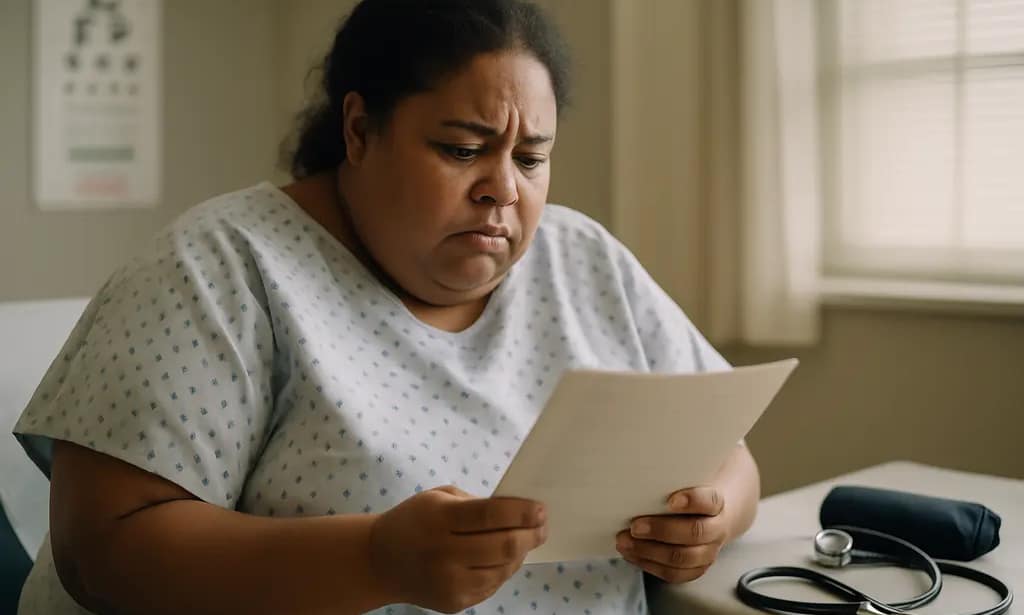
Bariatric Readmission Risks can feel unsettling to think about during the early recovery period, especially for patients and families who are still learning what to expect after surgery. The most helpful starting point is not fear, but context: recent studies suggest that many people are not readmitted within 30 days, yet risk may rise in certain procedure types, discharge plans, and health situations. This article is general education only and should not replace guidance from a bariatric clinician who knows your health history.
In the bariatric community, recovery stories often include a mix of relief, questions, and moments of uncertainty. A patient may feel well at discharge and still wonder which symptoms are routine healing and which ones deserve a call. Research cannot answer every personal question, but it can help patients frame safer conversations with their care teams.
Understanding Bariatric Readmission Risks
Why Bariatric Readmission Risks Differ
A national analysis of 949,507 bariatric procedures from 2020 through 2024 found that 3.3% of operations were followed by readmission within 30 days. In that analysis, readmission was reported as more common after conversion operations than after primary procedures, with 6.1% versus 2.9% readmitted within 30 days, according to the national readmission analysis. These data may help patients understand why a surgeon may spend extra time discussing prior operations, anatomy changes, and the planned procedure.
Reading Bariatric Readmission Risks through a personal lens can be helpful, but broad study findings should not be treated as a prediction for one person. Age, procedure type, prior surgery, other medical conditions, access to follow-up, and the details of the hospital stay may all shape recovery needs. If you are preparing for surgery or are newly home, a practical goal may be to learn your team’s plan for routine concerns, urgent concerns, and after-hours communication.
Conversion Procedures Need Special Discussion
The same national analysis reported that reverse conversion procedures had a much higher relative risk of Grade C readmission compared with primary surgery, with the study reporting an RRR of 7.05 and a 95% confidence interval of 5.45 to 9.12. Leak rates in these cases approached 5% in the research notes. That does not mean every conversion patient will have a severe problem, but it does suggest that conversion cases may need careful preoperative explanation and clear postoperative follow-up plans.
For patients who have had prior bariatric surgery, a calm, direct conversation may be more useful than comparing recovery to someone else’s first procedure. The care team can explain why a conversion was recommended, what warning signs they want discussed promptly, and how follow-up will be handled. For more patient-centered discussion prompts, this related article on questions after bariatric surgery may help organize the conversation.
What Severity Grades May Mean For Recovery
Grade A, B, And C In Plain Language
The 2020 through 2024 national analysis also grouped 30-day readmissions by severity. Among all readmissions, 61.0% were Grade A, 12.2% were Grade B, and 26.8% were Grade C. The study described Grade B as involving interventions such as transfusions or organ-space infection, while Grade C included major complications such as reoperation, leak, sepsis, thromboembolism, or death. Nearly all deaths in the analysis occurred in Grade C readmissions.
This grading structure may help patients ask more precise questions. A readmission is not one single type of event. Some readmissions may involve observation, hydration, symptom evaluation, or less severe concerns, while others may reflect a serious complication. That difference matters for emotional preparation as well. Patients often hear the word readmission and imagine the worst; severity categories may give a more balanced way to understand the range of events reported in research.
Why Severe Readmissions Need Careful Planning
Bariatric Readmission Risks are not only about whether someone returns to the hospital. Severity can shape the length of recovery, the intensity of follow-up, and the type of support a patient may need at home. A patient who lives far from the surgical center, has limited transportation, or has work or caregiving duties may want to raise those practical issues before discharge.
Planning does not remove uncertainty, but it may reduce confusion. Patients can ask who to contact during office hours, who to contact after hours, and whether the hospital or clinic has a preferred process for new symptoms. They can also ask how the team distinguishes routine postoperative discomfort from concerns that need urgent assessment. These questions are not a substitute for medical advice; they are a way to understand the team’s own instructions.
Same-Day Discharge And Early Follow-Up

What The Netherlands SDD Study Found
Same-day discharge is one area where details matter. In the Netherlands, a study of 813 consecutive primary bariatric procedures performed from March 2022 through March 2023 included 260 patients scheduled for same-day discharge. The reported same-day discharge success rate was 94.6%, and the adjusted 30-day success rate without readmission in the first 48 hours was 91.5%, according to the same-day discharge study. The study also reported 11 total readmissions during days 0 through 30, with some complications severe enough to meet Clavien-Dindo grade 3 or higher.
These findings suggest that same-day discharge may be feasible in selected settings, but they should not be read as a universal fit for every patient. Selection criteria, procedure type, monitoring, distance from care, home support, and the ability to respond quickly to concerns may all affect whether a shorter stay is reasonable. Patients should rely on their bariatric team’s discharge criteria rather than assuming that a faster discharge is better or worse.
The Practical Role Of Access And Monitoring
Early follow-up can include more than a scheduled appointment. Some programs may use remote monitoring, structured phone calls, or clear written instructions. Research from one setting does not prove that every monitoring approach will work the same way elsewhere, but it does support asking how symptoms will be tracked after discharge.
Access is also a real-life issue. Transportation, insurance coverage, time off work, and caregiver availability can affect how quickly a person can respond if concerns arise. For those seeking a deeper understanding of healthcare systems, healthcare fairness resources may offer related context within the same network.
Bariatric Readmission Risks Questions For Your Care Team
Coverage, Transportation, And Support Questions
Before discharge, patients may find it useful to ask practical questions in plain language. These topics can be written down and brought to an appointment, especially if a family member or support person will help during the first weeks at home.
- Which symptoms should lead me to call the bariatric team, and which symptoms may need emergency evaluation?
- Who should I contact after hours if I am worried about hydration, pain, fever, vomiting, or breathing symptoms?
- How soon is my follow-up visit, and what should I do if transportation becomes difficult?
- Does my procedure type or prior surgery change my follow-up plan?
- What written discharge instructions should my support person read with me?
Clinician Discussion Points
Discussing Bariatric Readmission Risks with a clinician can make the first month feel less confusing. Patients can ask how their procedure, prior surgical history, health conditions, and discharge timing may affect follow-up. They can also ask how the team defines mild, moderate, and serious concerns in their own program. Every recovery is personal, and study averages cannot replace individualized guidance from the professionals caring for you.