
Let’s cut through the weight loss noise. Your Instagram feed is already full of “miracle” solutions. They work about as well as a screen door on a submarine.
We’re diving into the real questions. Is this procedure your golden ticket or just another expensive disappointment?
I’ll break down the cold, hard facts. I’ll do it with the same analytical rigor I’d apply to dissecting political rhetoric. Think of this as your personal briefing on whether you should seriously consider going under the knife.
We’ll explore the medical criteria you must meet. The psychological readiness required. And the brutal honesty you need before even scheduling that consultation.
This isn’t another fluffy wellness article. It’s the unfiltered truth about what it really takes to qualify for this life-changing step.
How Gastric Bypass Works
Imagine your stomach getting a minimalist makeover while your intestines get a strategic rerouting – that’s the RYGB procedure in a nutshell. This isn’t your average diet plan; it’s architectural redesign of your digestive system that would make Frank Lloyd Wright proud.
The Roux-en-Y gastric bypass, or RYGB for those who prefer medical shorthand, creates a small pouch from your stomach and connects it directly to your small intestine. Think of it as building an express lane that bypasses the main digestive highway. Food takes the scenic route while your body absorbs fewer calories.
Surgical & Recovery Stages
Most bypass surgery today happens laparoscopically – through tiny incisions that leave scars smaller than most Instagram influencers’ authenticity. Surgeons use cameras and specialized tools to perform what looks like a high-stakes video game operation.
The recovery timeline unfolds like a carefully choreographed dance:
- Week 1-2: Liquid diet phase where everything resembles something from a dystopian sci-fi movie
- Week 3-4: Pureed foods that make baby food look gourmet
- Month 2-3: Soft foods stage – the culinary equivalent of training wheels
- Month 4+: Gradual introduction to regular foods with portion sizes that would fit in a shot glass
Pain management during recovery involves medications that make you question whether you’re healing or starring in a pharmaceutical commercial. Most people return to work within 2-4 weeks, though full metabolic adaptation takes months.
Risks & Benefits
The RYGB procedure offers benefits that read like medical miracle claims: diabetes remission rates that make insulin manufacturers nervous, weight loss that could literally add years to your life, and metabolic improvements that border on superhero origin stories.
But let’s be real – this isn’t a spa treatment. Complications can include everything from nutrient deficiencies that require more supplements than a biohacker’s cabinet to anastomotic leaks that turn your recovery into a medical drama episode.
| Potential Benefits | Possible Risks | Probability |
|---|---|---|
| Significant weight loss (60-80% excess weight) | Nutrient deficiencies | High |
| Type 2 diabetes resolution | Dumping syndrome | Moderate |
| Improved cardiovascular health | Anastomotic leak | Low |
| Reduced sleep apnea symptoms | Gallstone formation | Moderate |
| Enhanced mobility and joint health | Ulcer formation | Low |
The real magic happens in the metabolic changes. Your gut hormones get reprogrammed like a computer system update, reducing hunger and improving satiety signals. It’s like your body gets the memo that it doesn’t need to store energy for the next ice age.
Seriously though – the benefits often outweigh the risks for appropriate candidates, but this isn’t a decision to make after binge-watching medical dramas. The RYGB procedure represents a permanent lifestyle change, not just a quick fix.
Am I a Candidate?
So you’ve decided to play the ultimate health lottery – the gastric bypass edition. Before you start picking out your post-surgery wardrobe, let’s see if you meet the velvet rope requirements.
This isn’t like trying to get into an exclusive club. The bouncers here are medical professionals with strict criteria. They’re not looking at your shoes – they’re checking your BMI and psychological readiness.

Medical Guidelines
The numbers game is surprisingly straightforward. Think of it as medical bingo where everyone wants you to win, but only if you meet specific criteria.
Here’s how the BMI requirements break down:
- BMI of 40 or higher – You’re automatically in the running
- BMI of 35-39.9 – You qualify if you have obesity-related conditions like diabetes or hypertension
- Below 35 – Typically doesn’t meet surgical criteria unless exceptional circumstances apply
These numbers aren’t arbitrary. They represent the point where the risks of obesity outweigh the risks of surgery. It’s that simple, and that complicated.
Psychological Readiness
Now comes the real test – the psychological evaluation. This isn’t some quick personality quiz. It’s more like going on a first date with a team of specialists who want to know all your eating secrets.
The evaluation digs deep into your relationship with food. They’re determining if you have the mental fortitude for what comes after surgery. Can you break up with emotional eating? Will you commit to exercise like it’s your new religion?
According to Mayo Clinic criteria, they assess:
- Your understanding of the procedure and lifestyle changes
- Emotional stability and support system
- History of eating disorders or substance abuse
- Realistic expectations about results
Alberta Health Services suggests asking yourself some tough questions before even applying:
- What role does food play in your emotional life?
- How will you handle stress without turning to snacks?
- Are you prepared for the permanent dietary restrictions?
- What support systems do you have in place?
This evaluation isn’t about whether you want surgery. It’s about whether surgery wants you. The criteria are stricter than a nightclub bouncer during fashion week, and for good reason.
The team needs to know you won’t just regain the weight in two years. They’re investing in your success, and they want to see that you’re equally invested.
Think of it as the most important job interview of your life – where the job is being the best version of yourself.
Risks & Benefits
Let’s talk about the real numbers behind bypass surgery. It’s not like a wellness retreat with green juice and yoga. It’s more like a major home renovation show for your digestive tract. The risks and benefits are like a high-stakes game.
Every medical decision is like betting with your body as collateral. It’s not about if there are risks, but if the benefits are worth it for you.
Immediate Surgical Risks
The operating room has its own risks. Modern bypass surgery is safe, but it’s major surgery. You’ll face:
- Infection rates that worry even the CDC
- Bleeding complications needing extra help
- Anastomotic leaks (when things that should connect don’t)
- Blood clots that can turn a recovery room into an emergency
These risks are real. The mortality rate is 0.1-0.5%. That means 1-5 people out of every thousand don’t make it.
Long-Term Considerations
The long-term effects of bypass surgery are interesting. They involve trade-offs that make you think deeply. Here are the permanent changes:
Nutritional absorption issues become your new normal. You’ll need more supplements than a GNC warehouse. You might face deficiencies in:
- Iron (hello, anemia)
- Calcium (goodbye, bone density)
- Vitamin B12 (cognitive function says please don’t forget me)
Dumping syndrome is another issue. It’s like your digestive system punishing you for eating sugar. It causes sweating, nausea, and diarrhea, making you rethink your diet.
The suicide risk data from Mayo Clinic studies is concerning. Post-surgical patients have a 2-3 times higher risk of suicide attempts in the first few years. It shows this isn’t just physical transformation – it’s also psychological.
But there are benefits that make people consider this surgery. You might:
- Ditch type 2 diabetes medications
- Reduce sleep apnea
- Experience significant weight loss
- See improvements in hypertension
The data shows 60-80% excess weight loss in the first year. That’s not just changing pants sizes – it’s potentially reversing metabolic conditions.
This bypass surgery decision isn’t about finding a perfect solution. It’s about choosing which set of problems you’d prefer to manage for the rest of your life. There’s no free lunch here – just different menus with different prices.
Surgical & Recovery Stages
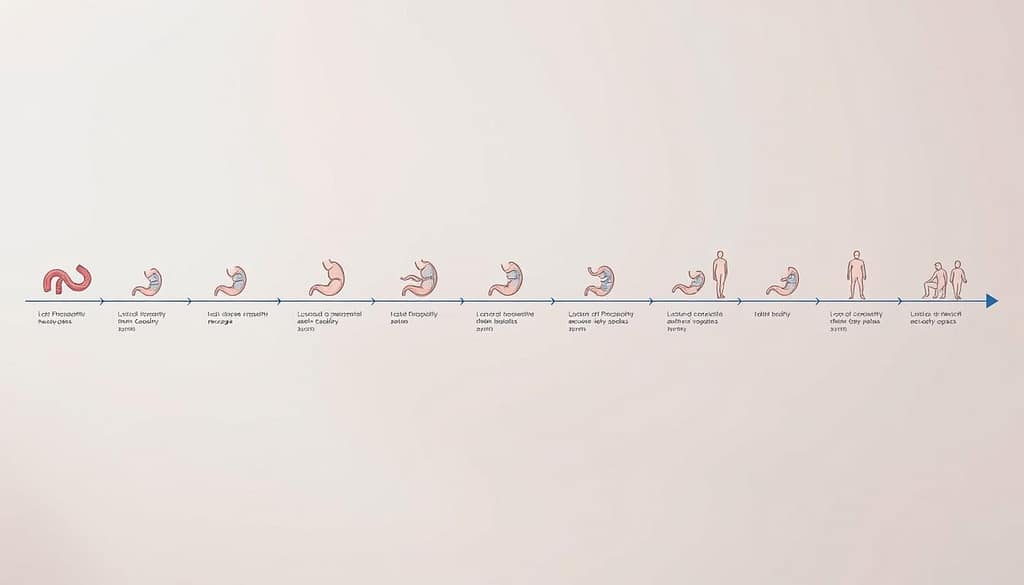
RYGB surgery is like a big home renovation for your stomach. It involves many steps and a lot of waiting. It’s a mix of medical skill and your own will to get through it.
Pre-Op Requirements
Before surgery, you go through a tough prep phase. Your doctors act like strict coaches, pushing you to meet many health goals.
The list of things to do before surgery includes:
- Stopping smoking (because it doesn’t mix well with healing)
- losing weight before surgery (it sounds weird, but it’s true)
- psychological checks (to make sure your mind is ready)
- nutrition advice (your food habits are about to change a lot)
- clearance from many doctors (it’s like getting a team of superheroes ready)
This prep time can last from 2 to 6 months. It’s like the universe asking: “How badly do you want this?”
Post-Op Timeline
Recovery is like a Netflix show, full of ups and downs. Here’s what you might face after gastric bypass surgery:
First 48 Hours: You’ll feel like you’ve been in a fight. Managing pain and taking short walks are top priorities.
Weeks 1-2: You’ll eat only liquids, like shakes and broth. It’s a tough time, but you’ll get through it.
Weeks 3-6: You start eating soft foods, like mashed potatoes. It’s a big change, but you’ll get used to it.
Months 2-6: Now, you start losing weight and feeling better. You’ll see changes in yourself and need to keep up with doctor visits.
Beyond 6 Months: You’ll find a new normal. You’ll deal with maintenance and small meals. It’s a big change, but it’s worth it.
Everyone recovers differently. Some people move fast, while others take their time. The key is to stay patient and keep moving forward.
Patient Stories
Forget the perfect pictures you’ve seen online. The real stories of gastric bypass surgery are more like a hero’s journey. I’ve gathered tales that would make even the toughest therapist take notes.
Success Stories
Meet Sarah, a 42-year-old teacher who felt like she woke up from a long food coma after surgery. Her journey included:
- Fitting into her daughter’s roller coaster seat without feeling ashamed
- Discovering her cheekbones again after losing a lot of weight
- Enjoying grocery shopping, no longer feeling guilty
Then there’s Mark, who lost 180 pounds and found a new personality. His “holy crap” moments included:
- Tying his shoes easily, no longer struggling
- Walking through turnstiles without feeling embarrassed
- Seeing body parts he hadn’t seen in years
Challenges Faced
The journey to success is full of obstacles. The emotional ups and downs are like a wild ride.
Food becomes a complicated issue, like a relationship that needs therapy. Social events can be tough, with people watching what you eat. Your body changes fast, but your mind takes longer to catch up, leading to feelings of phantom fat.
| Common Challenges | Emotional Impact | Coping Strategies |
|---|---|---|
| Food Relationship Changes | Identity crisis around eating habits | Therapy and support groups |
| Social Dynamics Shift | Friendship and relationship adjustments | Open communication and setting boundaries |
| Body Image Issues | Disconnect between old and new self | Regular counseling and journaling |
| Unexpected Emotional Triggers | Unresolved issues surfacing through food changes | Mindfulness practices and professional help |
The truth is, Gastric bypass doesn’t just shrink your stomach. It also expands your emotional capacity in unexpected ways. The ones who do well see it as a mental and physical journey.
One patient said it best: “The surgery gave me a tool, not a solution. I had to do the work, and the surgery made it possible.” That’s the real story of life after gastric bypass – it’s not magic, but it can guide you back to yourself.
Long-Term Lifestyle Adjustments
Your life after bypass surgery needs to be precise and disciplined. It’s not just a quick fix. It’s a big change that requires you to act differently all the time.
Dietary Changes
Forget about eating whenever you want. Now, you need to plan your meals carefully. It’s like a dance, not a free-for-all like before.
Mayo Clinic says your diet should be strict. It’s like a science experiment:
- Portion control that makes appetizer plates look spacious
- Eating schedules stricter than a metronome’s rhythm
- Vitamin regimens requiring more pills than a pharmacy’s inventory
- Chewing techniques that transform each bite into a 30-second meditation
- Liquid restrictions that treat drinking with meals like mixing business with pleasure
The bariatric surgery outcomes research shows these aren’t suggestions—they’re non-negotiable requirements for success.
Exercise Regimen
Exercise is now a must, not just a nice-to-do. Alberta Health Services sees it as a job. You get paid in weight loss and better health.
Your new exercise reality includes:
- Daily movement that becomes as essential as breathing
- Strength training that rebuilds your body from the foundation up
- Cardiovascular work that maintains your metabolic engine
- Consistency that makes previous workout attempts look like casual flirtations
This permanent change in how you eat and move is the real work of bypass surgery. The surgery was just the start.
FAQs
Ever wondered about RYGB surgery but felt too shy to ask? We’re here to clear up the confusion. We’ll give you the real scoop on RYGB surgery without the jargon.
Common Concerns
Will I ever eat normally again?
“Normal” eating means small portions and chewing well. You can enjoy most foods, but in moderation. No more eating huge pizzas.
What about loose skin?
Yes, you might get loose skin. It’s like battle scars from your weight loss. Many people get cosmetic surgery later.
Can I drink alcohol after RYGB?
Alcohol hits you harder after surgery. Doctors often say no alcohol for a year.
Will the weight stay off?
RYGB is not a magic fix. It needs lifestyle changes. About 5-10% of people gain back a lot of weight.
Insurance Questions
Dealing with insurance can be tough. Most plans need lots of paperwork to prove you need it.
Here’s what you usually need:
- BMI over 40, or over 35 with obesity-related conditions
- Documented failed weight loss attempts
- Psychological evaluation clearance
- Nutritional counseling completion
Costs vary a lot. Always check your insurance before you start.
| Insurance Type | Typical Coverage | Out-of-Pocket Range | Approval Timeline |
|---|---|---|---|
| Private Insurance | 80-100% | $1,000-$5,000 | 2-6 weeks |
| Medicare | 80% | $3,000-$7,000 | 4-8 weeks |
| Medicaid | Varies by state | $0-$3,000 | 6-12 weeks |
| Self-Pay | 0% | $15,000-$30,000 | Immediate |
Always appeal if your insurance says no. Many times, you get approved the second time with the right papers.
Conclusion: Making the Choice
Standing at the gastric bypass crossroads, we face a choice as big as a tattoo. It’s more life-changing than switching from coffee to tea. This isn’t about picking between streaming services; it’s about changing your body’s way of working.
Final Considerations
Think of gastric bypass surgery like getting a high-maintenance pet – your digestive system. Alberta Health Services says the RYGB procedure needs you to be ready for big changes. Are you ready to give up pizza Fridays for protein shakes? Can your social life handle no wine Wednesdays?
The surgery offers dramatic weight loss but requires constant care for your diet. It’s not just about a smaller stomach. It’s about a bigger commitment to health. You must be honest about if you’re ready for this long journey.
Next Steps
If you’re thinking about gastric bypass, gather your healthcare team – surgeon, dietitian, therapist. Fight through insurance issues like a political campaign. If RYGB isn’t for you, know there are other ways to lose weight – sometimes surgery isn’t the only answer.
Your decision is important. Make it with knowledge and self-awareness. This isn’t just about losing weight; it’s about starting a new relationship with your body.