Finding a lasting solution for obesity can feel overwhelming. Modern medicine now offers advanced surgical options that go beyond simple diet and exercise. One of the newest and most promising is a simplified variation of the duodenal switch.
This bariatric surgery has gained formal recognition from leading medical societies. It combines a sleeve gastrectomy with a single intestinal connection, or anastomosis. This creates a powerful restrictive and malabsorptive effect for significant weight loss.
The operation is particularly effective for individuals with a higher body mass index (BMI). It is also a strong option for those managing type 2 diabetes. Understanding this modern approach is a crucial step for anyone considering surgical weight management.
This overview will explain how the surgery works. We will cover its mechanisms, potential benefits, and what recovery looks like. The information is based on current practices from leading centers, including details on a specific technical approach used by surgeons.
It represents an important advancement, aiming for excellent outcomes with streamlined technique. Knowing all your options empowers you to make the best choice for your health journey.
What is the SADI-S Bariatric Procedure?
At its core, this operation merges two powerful surgical concepts into one streamlined process. It is a type of bariatric surgery that combines both restrictive and malabsorptive mechanisms. This dual-action approach is key to its success in weight management.
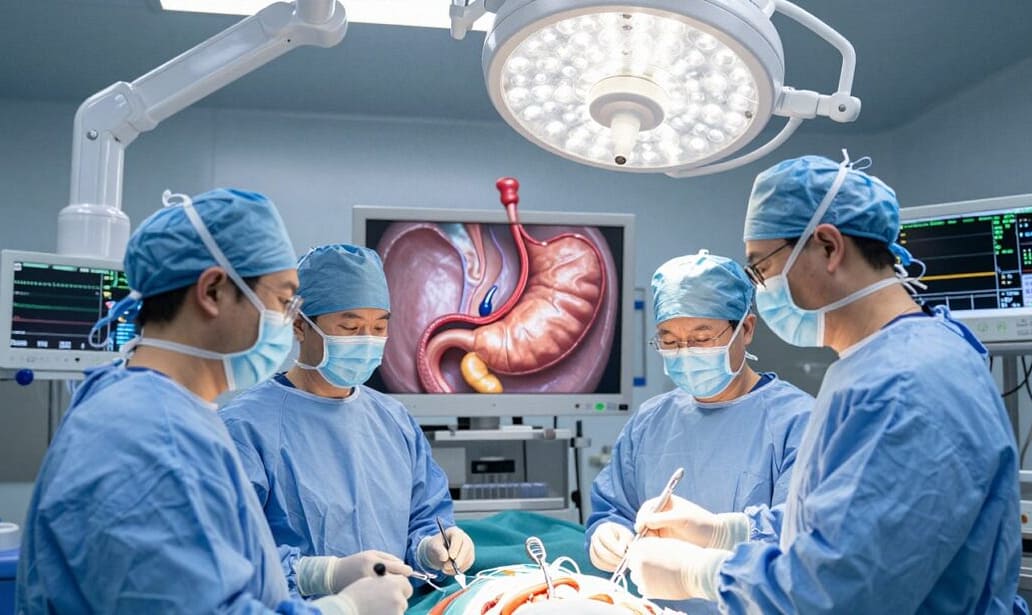
The first major component is a sleeve gastrectomy. During this part, a surgeon removes about 80% of the stomach. What remains is a narrow, tube-shaped pouch roughly the size of a banana.
This new stomach has a much smaller volume and capacity. It physically limits the amount of food a person can eat at one time. This is the restrictive element of the procedure.
The second component is an intestinal rerouting, known as a single anastomosis duodenal-ileal bypass. The small intestine is divided just past the stomach’s outlet, the pylorus. A loop from the lower part of the intestine is then connected directly to this point.
This creates only one surgical connection, or anastomosis. The term “single anastomosis” distinguishes it from older bypass surgery that required two connections. It simplifies the operation.
The new pathway bypasses a large section of the middle intestine. This reduces the body’s ability to absorb calories and nutrients. That is the malabsorptive effect that aids weight loss.
A crucial detail is the preservation of the pyloric valve. This natural valve helps regulate how quickly food leaves the stomach. Keeping it intact can help prevent rapid dumping of food into the intestine, a common side effect in other surgery types.
This bariatric surgery is typically done using minimally invasive techniques. Surgeons use laparoscopic or robotic tools through small incisions. This approach generally means less pain and a faster recovery for patients.
The combined effect of a smaller stomach and a shortened digestive tract drives its effectiveness. It helps patients feel full faster while absorbing fewer calories. This makes the SADI-S a powerful tool for significant and sustained weight loss.
How the SADI-S Procedure Works
The success of this operation hinges on three interconnected physiological changes within the body. It is not just one action but a powerful combination. This synergy drives its impressive results for individuals seeking a major health transformation.
Think of it as a comprehensive renovation of the digestive system. The changes work together to manage calorie intake and absorption. They also rebalance the body’s natural hunger signals.
The Sleeve Gastrectomy: Creating a New Stomach
The first step is a sleeve gastrectomy. Surgeons permanently remove a large portion of the stomach. What remains is a narrow, tube-shaped pouch.
This new stomach holds significantly less food. Its reduced volume creates a powerful restrictive effect. People feel full much sooner and can only eat small meals.
Imagine your stomach becoming the size of a banana. This physical limitation directly reduces daily calorie intake. It is the foundational step for weight loss.
The Single Anastomosis: Rerouting the Small Intestine
The second step involves the intestine. This is where the single anastomosis comes into play. Surgeons create one new connection to reroute the digestive pathway.
Food travels from the new stomach pouch directly into a lower part of the small intestine. This creates a bypass around a long section of the gut. It’s like taking a shortcut that avoids the main absorption highway.
Because the food bypasses so much intestine, the body absorbs fewer calories and nutrients. This is called the malabsorptive effect. It provides a second, powerful engine for weight reduction.
Hormonal Changes and Reduced Hunger
The surgery does more than alter anatomy. It profoundly changes gut hormone levels. This is a key reason hunger often diminishes after the operation.
Removing part of the stomach reduces production of ghrelin, the so-called “hunger hormone.” With less ghrelin, the brain receives fewer signals to eat. This helps control appetite between meals.
At the same time, the new intestinal pathway stimulates other hormones. These include GLP-1 and PYY, which promote strong feelings of fullness and satisfaction. The combined hormonal shift makes dietary changes easier to maintain.
Understanding Malabsorption for Weight Loss
Malabsorption is a deliberate and calculated part of the process. It primarily reduces the absorption of dietary fats. This leads to a significant cut in usable calories from rich foods.
This controlled malabsorption is a major driver of weight loss. However, it also affects some vitamins and minerals. This is why lifelong nutritional supplementation is non-negotiable for patients.
The body needs support to stay healthy while losing weight. Daily vitamins, calcium, iron, and other specific supplements prevent deficiencies. Regular blood tests help monitor levels.
Together, restriction, malabsorption, and hormonal changes create a powerful trifecta. They work in concert to help individuals achieve and sustain a healthier body weight. This often leads to improvement in conditions like type 2 diabetes as well.
SADI-S vs. Traditional Duodenal Switch: Key Differences
A key evolution in metabolic surgery is the move from two intestinal connections to just one. This shift defines the main contrast between the newer SADI-S and the traditional biliopancreatic diversion with duodenal switch (BPD-DS). Both are powerful tools for weight management and metabolic health.
Understanding their technical differences helps clarify why a surgeon might recommend one over the other. The core goals are identical: significant weight loss and improvement of related conditions. The path to achieving them, however, has been refined.
The primary distinction is purely anatomical. The traditional duodenal switch requires creating two new connections, or anastomoses, in the intestine. This makes it a more complex reconstruction.
In contrast, the SADI-S uses a single anastomosis. This one connection reroutes the digestive pathway. It is this simplification that gives the operation its name and its potential benefits.
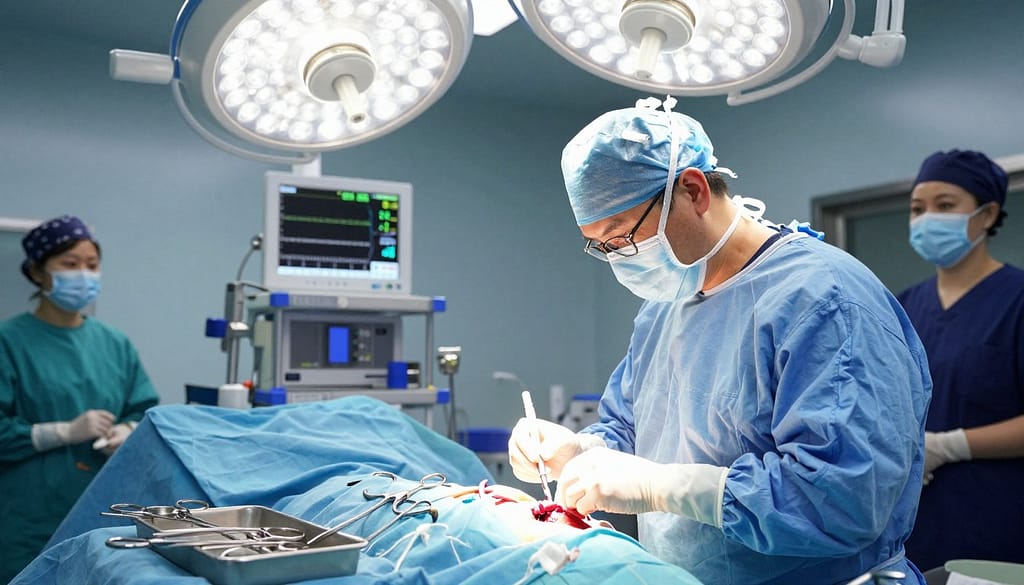
Having only one connection streamlines the entire surgery. For the surgical team, it means fewer steps to perform. This often translates to a shorter operative time under anesthesia.
A less complex procedure can also influence patient recovery. While both operations are major, a streamlined technique may contribute to a smoother initial healing phase.
This technical difference has direct implications for risk management. Fewer connection points mean fewer potential sites for a leak. An anastomotic leak is a serious complication that requires immediate attention.
Furthermore, the traditional DS creates a closed loop of intestine that can twist. This area poses a risk for an internal hernia. The loop-style connection in the SADI-S may lower this specific risk.
It is crucial to note what these two surgery types share. Both begin with a sleeve gastrectomy, reducing stomach size. Both also preserve the important pyloric valve.
This preservation helps prevent dumping syndrome. Both operations also involve a duodenal diversion. Food bypasses a large section of the middle intestine for a malabsorptive effect.
Despite the simpler design, studies suggest the outcomes are remarkably similar. Patients can expect comparable degrees of weight loss from both procedures. Improvements in type 2 diabetes and other metabolic conditions are also closely matched.
The hormonal changes that drive reduced hunger and improved satiety occur in both. This means the simplified switch does not sacrifice efficacy for its streamlined design.
The SADI-S is increasingly valuable as a revision operation. For individuals who had a sleeve gastrectomy but did not achieve their goals, it offers a logical next step. The surgeon can add the intestinal switch component without an overly complex redo.
This has expanded treatment options for many people. It provides a path to the powerful results of a duodenal diversion from a simpler starting point.
In summary, the SADI-S represents a modernization of a proven concept. It offers a potentially safer and less complex surgical route to results similar to the traditional duodenal switch. For eligible patients, it combines the powerful benefits of restriction and malabsorption with a refined technical approach.
This focus on reducing complications and operative time, while maintaining excellent outcomes, is the hallmark of surgical progress. It provides a compelling option in the advanced bariatric landscape.
Advantages of the SADI-S Procedure
For many individuals, the appeal of this advanced operation lies in its combination of high efficacy and refined safety. It offers a powerful tool for transforming health, backed by strong clinical data and endorsements from leading medical centers.
The key benefits extend beyond just numbers on a scale. They encompass major improvements in overall wellness and a thoughtful design aimed at reducing surgical risk.
Effective and Sustained Weight Loss Outcomes
Long-term data paints a compelling picture. Studies consistently show this surgery delivers exceptional and durable weight loss.
Patients often achieve 70% to 85% excess weight loss. Total weight loss typically ranges from 35% to 38% when measured five to ten years after the operation.
These outcomes frequently surpass those of other common bariatric surgeries. The dual mechanism of restriction and malabsorption is designed for lasting results.
Improvement and Remission of Obesity-Related Conditions
The impact on metabolic health is profound. This operation is particularly powerful for managing type 2 diabetes.
High rates of improvement and even remission are common. This is due to the significant hormonal and metabolic changes induced by the surgery.
Many other obesity-related conditions see marked improvement. The table below summarizes the positive effects on common co-morbidities.
| Health Condition | Typical Improvement | Primary Mechanism |
|---|---|---|
| Type 2 Diabetes | High rates of remission; improved blood sugar control | Hormonal changes & reduced caloric intake |
| High Blood Pressure (Hypertension) | Significant reduction or elimination of medication needs | Weight loss & improved cardiovascular health |
| Dyslipidemia (High Cholesterol) | Improved lipid profiles | Reduced fat absorption & weight loss |
| Sleep Apnea | Often reduced severity or resolution | Reduced neck fat improving airway patency |
| Joint Pain | Decreased pain and increased mobility | Reduced mechanical stress on weight-bearing joints |
Preservation of the Pylorus and Its Benefits
A key anatomical advantage is keeping the natural pyloric valve intact. This valve regulates how quickly food leaves the stomach.
Its preservation prevents the rapid dumping of undigested food into the intestine. This directly lowers the incidence of dumping syndrome.
Compared to a standard gastric bypass, this design also leads to fewer marginal ulcers. Bile reflux is also rare, affecting only about 2% of patients.
Lower Risk of Certain Complications
The streamlined single anastomosis technique enhances patient safety. Having only one connection point simplifies the reconstruction.
This may lower the risk of an anastomotic leak, a serious surgical complication. The loop-style connection also reduces the potential for an internal hernia.
These design refinements contribute to a safer profile. They are a reason institutions like Duke and Brigham and Women’s Hospital cite its safety and effectiveness.
The collective benefits make this switch a compelling option. It is designed for those seeking durable weight loss and resolution of major health issues.
The surgical team can often complete the operation in less time due to its simplified nature. This efficient management of the procedure benefits both the surgeon and the patient.
Potential Disadvantages and Risks of SADI-S
Making an informed decision requires a full picture. This includes the manageable but real side effects and long-term responsibilities.
Understanding these aspects is crucial for success. It helps set realistic expectations and prepares you for the journey ahead.
The operation offers powerful benefits. Yet, it also involves specific trade-offs that require lifelong attention.
Changes in Bowel Habits and Digestive Side Effects
A common result of the intestinal bypass is altered digestion. The body absorbs less fat, which leads to changes in stool.
Many people experience looser and more frequent bowel movements. Foul-smelling gas and steatorrhea, or fatty stools, can also occur.
These symptoms are directly related to fat malabsorption. They often become more noticeable after eating high-fat foods.
Long-term dietary management is key. Choosing lean proteins and complex carbs can help minimize these digestive complications.
Your surgeon and support team will provide detailed nutritional guidance. Adhering to it makes these side effects much more manageable.
Lifelong Nutritional Supplementation Requirements
The malabsorptive component has a significant impact on nutrition. It reduces the body’s ability to absorb crucial vitamins and minerals.
Therefore, lifelong daily supplementation is not optional. It is a mandatory part of post-operative health.
Preventing serious deficiencies is the goal. Without supplements, patients risk conditions like anemia, osteoporosis, and neuropathy.
The most critical supplements are high-dose fat-soluble vitamins. These include vitamins A, D, E, and K.
Other essential supplements are just as important. A daily regimen must include calcium, iron, and vitamin B12.
Regular blood tests monitor your levels. This ensures your support team can adjust your plan over time.
Insurance Coverage Considerations
A practical hurdle for many is insurance coverage. Approval is not guaranteed, even for this effective procedure.
Some major providers, like Blue Cross NC and Aetna, may cover it. However, many plans still classify the surgery as investigational.
This is despite endorsement by the ASMBS. The financial aspect requires proactive management.
You must verify coverage with your specific provider. Explore self-pay options if necessary.
Discuss all financial details with your surgeon‘s office early. They often have staff who specialize in navigating these approvals.
These challenges are real, but they are manageable. With proper support and commitment, the significant benefits of the operation can be safely achieved.
The key is a strong partnership with your medical team. Adherence to follow-up care and medical advice turns these potential risks into controlled parts of a healthier life.
Are You a Candidate for SADI-S Surgery?
Candidacy for this powerful tool is based on established national guidelines and individual health factors. Surgeons use specific criteria to ensure the operation is both safe and likely to succeed for each person.
This evaluation protects your well-being. It also sets the stage for achieving the best possible long-term results.
BMI and Health Criteria for Qualification
Standard guidelines from the National Institutes of Health (NIH) form the basis for most insurance approvals. These focus on body mass index (BMI) and related health conditions.
For the SADI-S, typical thresholds are specific. A BMI of 50 or greater often qualifies someone as a primary candidate.
A lower BMI of 45 or higher may also qualify if a major comorbidity is present. Uncontrolled type 2 diabetes is a common example.
High blood pressure, severe sleep apnea, or heart disease are other qualifying factors. A history of attempted non-surgical weight management is always required.
This means documented efforts like supervised diets or programs without long-term loss. Psychological readiness is equally critical.
Commitment to lifelong dietary changes and medical follow-up is non-negotiable. A mental health assessment ensures you have the tools and support for this journey.
SADI-S as a Revision Surgery Option
This operation is a powerful choice for revision. Individuals who had a sleeve gastrectomy but experienced insufficient weight loss or regain may be eligible.
Converting a sleeve to a SADI-S adds the malabsorptive component. It can provide the metabolic boost needed to reach goals.
Revision candidates must be carefully evaluated. A BMI above 45 is typically required after the initial surgery.
Surgeons also check for issues like gastroesophageal reflux disease (GERD). The procedure may worsen existing reflux in some patients.
Final approval always comes from a comprehensive team evaluation. Your bariatric surgeon, dietitian, and psychologist will all provide input.
This multidisciplinary approach ensures every aspect of your health is considered. It creates a solid foundation for success.
To start, use an online BMI calculator for a general idea. Then, schedule a formal consultation with an experienced bariatric surgery team.
They will guide you through the detailed assessment process. This is the first step toward determining if this path is right for you.
Preparing for SADI-S Surgery: The Pre-Operative Process
A successful journey through this advanced surgical option begins long before the operation itself. The pre-operative phase is a dedicated period of preparation designed to optimize your safety and long-term success. It transforms you from a passive patient into an active partner in your own health transformation.
This multi-step process involves your entire care team. It ensures you are physically, mentally, and nutritionally ready for the changes ahead. Think of it as laying a solid foundation for your new life.
Comprehensive Medical and Psychological Evaluations
Medical clearance is the first critical step. Your surgeon and physician assistant will conduct a thorough review of your medical history.
A series of tests follows to ensure your body can safely handle the surgery. This typically includes:
- Complete physical exams and extensive lab work
- Cardiac and pulmonary evaluations to assess heart and lung fitness
- Screenings for conditions like diabetes and sleep apnea
The psychological evaluation is equally important. A mental health professional assesses your emotional readiness and identifies potential barriers.
This session is not about judgment. It aims to provide you with coping strategies and support tools for the journey ahead. Addressing emotional health is key to sustaining long-term success.
Nutritional Counseling and Lifestyle Preparation
Pre-operative counseling with a dietitian is a cornerstone of the process. Here, you learn the new eating habits that will be vital after your surgery.
Education focuses on protein priorities, portion control, and the lifelong vitamins regimen you will need. Understanding post-op nutrition management before the operation sets you up for a smoother transition.
Many programs require a specific pre-surgery diet. This liver-shrinking diet is typically low in calories and carbohydrates.
Shrinking the liver makes the laparoscopic procedure safer and easier for the surgical team. It also starts the metabolic process of weight loss.
Lifestyle changes must begin well in advance. Quitting smoking is non-negotiable, as it greatly increases surgical risks.
Your doctor will also guide you on adjusting certain medications, like blood thinners. This careful management of your health before the operation is crucial.
This preparation phase is an active partnership. You work closely with the multidisciplinary bariatric care team every step of the way.
It is the first, essential step in your lifelong commitment to a transformed body and improved well-being. The time and effort invested here pay dividends in your recovery and long-term results.
The SADI-S Recovery Process and What to Expect
Knowing what to expect after leaving the operating room can ease anxiety and promote a smoother healing journey. The recovery period is a structured pathway. It focuses on safety, healing, and adapting to your new body.
This phase requires patience and strict adherence to your care team’s instructions. The typical operation takes about three hours. Your hospital stay will then begin.
Hospital Stay and Immediate Post-Op Care
You will wake up in a recovery area. Nurses will monitor you closely as the anesthesia wears off. Pain management will start immediately to keep you comfortable.
A key priority is early mobilization. You will be encouraged to sit up and take short walks the same day. This movement is crucial to prevent blood clots and promote healing.
The typical hospital stay lasts one to three days. During this time, your surgical team will monitor for any signs of complication.
They may perform tests to ensure the new intestinal connection is secure. Managing initial discomfort and nausea is a normal part of this care. Your support staff will help you through it.
The Staged Post-Operative Diet Plan
Nutrition after surgery follows a strict, phased progression. This slow advance allows your stomach and new connections to heal properly. It is a non-negotiable part of recovery.
The diet begins with clear liquids like broth and water. This phase usually lasts for the first day. The goal is hydration without stressing your system.
Next, you will advance to full liquids. This includes protein shakes and cream soups. This stage typically lasts one to two weeks.
Hydration and protein intake are critical from the very start. Aim for 64 ounces of fluids daily. Your care team will provide specific protein goals.
Weeks three through six introduce pureed and soft foods. Examples are yogurt, scrambled eggs, and mashed vegetables. You must chew thoroughly and eat very slowly.
Regular solid food is gradually reintroduced after this point. The entire process takes several weeks. Rushing this diet can cause pain, vomiting, or harm the surgical site.
Returning to Work and Normal Activities
Guidelines for activity are progressive. Walking is encouraged immediately after your surgery. Light duties around the house can often resume within two weeks.
Most patients return to work in two to four weeks. This depends heavily on your job’s physical demands. A desk job may allow an earlier return than manual labor.
Full activities, including exercise, require surgeon clearance. This is usually given after four to six weeks. Listen to your body and increase intensity slowly.
It’s normal to feel fatigued initially. Your energy levels will improve as weight loss progresses and your nutrition stabilizes.
Common discomfort includes soreness and gas pains. Signs of complication include severe pain, fever, or inability to keep liquids down. Contact your team immediately if these occur.
Long-term success hinges on dedicated follow-up. Consistent ongoing follow-up care with your multidisciplinary support team is essential for monitoring your health and adjusting your plan.
Long-Term Success: Diet, Supplements, and Support After SADI-S
Long-term triumph after surgery is built on three unwavering pillars: diet, supplements, and support. The operation provides a powerful metabolic reset. Lasting results, however, depend on your daily commitment to new habits.
This phase is about building a sustainable, healthy life. It requires a permanent partnership with your medical team. Your active role is just as important as the initial surgical success.
High-Protein Nutritional Goals and Food Choices
Protein is the cornerstone of your new diet. Your daily goal will be high, typically 80 to 100 grams. This priority prevents the loss of precious lean muscle mass during rapid weight loss.
Meeting this goal requires planning. You should prioritize protein at every meal and snack. Eat your protein portion first, as your smaller stomach fills quickly.
Well-tolerated food choices are key. Excellent sources include lean poultry, fish, eggs, and tofu. Low-fat dairy, legumes, and protein powders can also help you reach your target.
Choosing the right foods supports your body and health goals. It fuels your energy and helps maintain a toned physique. Your dietitian will provide personalized guidance to make this habit second nature.
Essential Vitamin and Mineral Supplementation
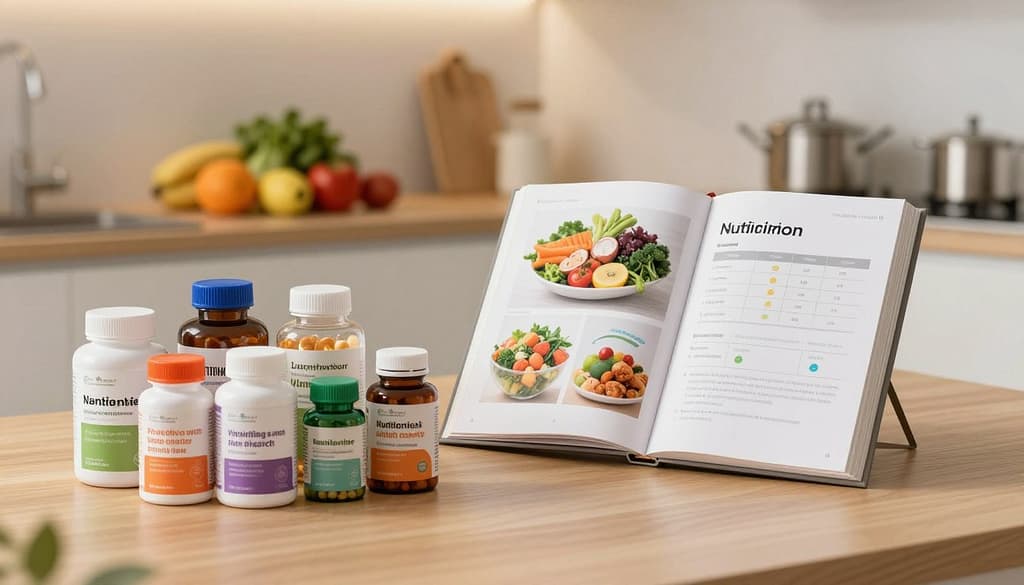
Lifelong supplementation is non-negotiable. The intestinal bypass reduces absorption of crucial nutrients. A strict regimen prevents serious deficiencies and protects your long-term health.
You will take several specific supplements every day. This table outlines the core requirements and their vital roles.
| Supplement | Primary Purpose | Common Form & Notes |
|---|---|---|
| High-Potency Multivitamin | Baseline coverage of essential vitamins and minerals | Chewable or liquid form designed for malabsorptive procedures |
| Vitamin D | Bone health, immune function, calcium absorption | High-dose, often 3000-5000 IU daily |
| Calcium Citrate | Prevent bone loss and osteoporosis | Must be taken separately from iron, 1200-1500 mg daily |
| Iron | Prevent iron-deficiency anemia | Ferrous fumarate or gluconate; vitamin C improves absorption |
| Vitamin B12 | Support nerve health and energy metabolism | Sublingual, nasal spray, or monthly injection |
| Vitamins A, E, & K | Vision, antioxidant protection, blood clotting | Often included in specialized multivitamin packs |
Non-compliance has real consequences. Risks include anemia, osteoporosis, and neurological issues. Regular blood tests are essential to monitor your levels and adjust your plan.
Your support team will help you management this regimen. View these vitamins and minerals as daily medicine for your well-being.
The Importance of Ongoing Medical and Support Groups
Structured follow-up care is a blueprint for success. Surgeons recommend visits at 1, 3, 6, and 12 months post-op. Annual check-ups continue for life.
These appointments monitor your weight loss, nutrition, and supplement needs. They also screen for any late complications. Your team can catch and address issues early.
Psychological support is equally valuable. Patient support groups offer a space to share experiences and tips. This community helps maintain motivation during challenging times.
Many leading hospitals offer private online communities. Telehealth check-ins provide convenient access to your care providers. These resources make consistent follow-up easier.
For patients with type 2 diabetes, this ongoing management is critical. It ensures metabolic outcomes are sustained and medications are properly adjusted.
In the end, long-term success is a product of the switch combined with permanent adherence. Sticking to nutritional, supplement, and behavioral guidelines transforms surgical health gains into a lifelong reality.
Conclusion
Achieving lasting wellness often requires a powerful and committed partnership between patient and medical team. The SADI-S Bariatric Procedure represents a modern evolution in this field, balancing high efficacy with a refined, single-connection technique.
This operation offers significant long-term weight loss and high rates of comorbidity improvement. These strong outcomes come with important commitments for patients, including diligent dietary management and lifelong nutritional vigilance.
Success hinges on careful selection, thorough preparation, and unwavering adherence to guidelines. If you are ready for a lifelong commitment to health, discuss this surgical option with a qualified team at an accredited center.
With dedicated support and consistent follow-up care, this surgical path can be a truly transformative tool for your wellness journey.