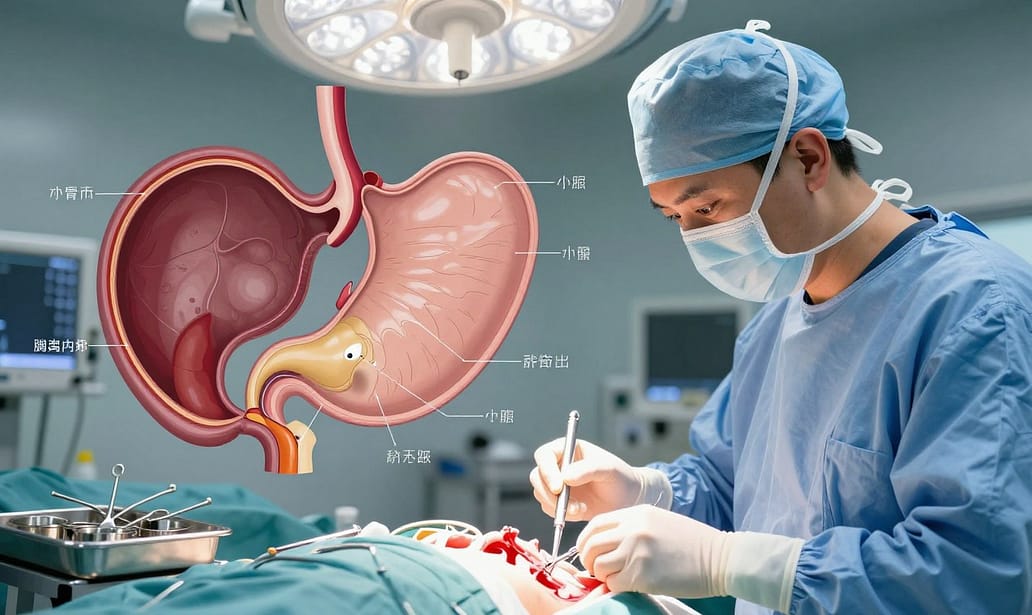
For many people, bariatric surgery is a powerful tool for weight loss and improved health. Sometimes, the first procedure does not give the desired results. When this happens, a follow-up operation might be needed.
This conversion from a sleeve gastrectomy to another procedure is one option. It addresses issues like inadequate weight reduction or complications. The original surgery reshapes the stomach, but the body can change over time.
A revision is a major step in a patient’s health journey. It is not a sign of failure. Instead, it is part of ongoing management for obesity. This decision requires careful thought about risks and benefits.
Specialized bariatric surgeons perform these operations. In Houston, Dr. Matthew St. Laurent at Northwest Endosurgical offers expert care. He is affiliated with major medical groups like ASMBS and IFSO.
This article explores the reasons for considering a revision. It covers candidacy, the process, and long-term success. Always consult a qualified bariatric professional to review your personal health and treatment options.
Understanding Revisional Bariatric Surgery
For individuals who have undergone a prior bariatric procedure without achieving their goals, revision surgery offers a new path. This secondary operation modifies or converts an initial weight loss surgery. The aim is to improve outcomes or address complications.
This type of surgery is more complex than the first. Scar tissue and altered anatomy present unique challenges. It requires highly skilled surgeons with specialized experience.
Common revisions include converting from one procedure to another. The table below outlines frequent conversions and their primary goals.
| Previous Procedure | Common Revision | Primary Aim |
|---|---|---|
| Gastric Band | Sleeve Gastrectomy or Gastric Bypass | Remove device, enhance restriction |
| Sleeve Gastrectomy | Gastric Bypass | Address reflux or weight regain |
| Gastric Bypass | Duodenal Switch | Increase malabsorption for further loss |
| Vertical Banded Gastroplasty (VBG) | Bypass or Sleeve | Correct anatomical issues |
The decision for a revision involves a thorough evaluation. A patient’s surgical history and current health status are reviewed. Understanding the reasons for seeking change is crucial.
These procedures often use a laparoscopic approach. This minimizes recovery time for patients. In some cases, a staged operation is safer.
Potential risks and complications can be higher than with primary bariatric surgery. Infection, bleeding, and leaks are possible. Nutritional deficiencies require lifelong monitoring.
Choosing an experienced center is vital. Facilities like New You Bariatric Center routinely perform various revisions. Expert care improves safety and results.
Revision surgery is a powerful tool. Combined with lasting lifestyle changes, it can lead to significant weight loss. This improves quality of life and manages obesity.
Understanding revisional bariatric surgery is the first step. It opens options for continued weight management and better health.
Common Reasons for Revising a Sleeve Gastrectomy
A sleeve gastrectomy is effective for many, but some encounter challenges that require further intervention. When the initial results are not sustained or new complications arise, a secondary procedure may be considered.
Identifying the specific cause is the first step toward a solution. The most frequent issues leading to a revision fall into three categories.
Inadequate Weight Loss or Significant Regain
Inadequate weight loss occurs when a patient does not lose enough excess body weight. This can happen early on or as weight loss stalls.
The stomach sleeve may not provide sufficient restriction. Some individuals simply stop losing weight prematurely.
Significant weight regain can happen years later. Lifestyle factors, hormonal changes, or sleeve dilation often contribute. This loss weight regain cycle can be frustrating.
A sleeve created too large during the first operation might also be a factor. It leads to less restriction and poorer long-term weight loss.
Severe or Persistent Gastroesophageal Reflux (GERD)
New or worsening reflux is a common issue after a sleeve gastrectomy. Stomach acid flows back into the esophagus.
This causes heartburn and can damage the esophageal lining. Studies show a higher incidence of GERD post-sleeve.
When medications and diet changes fail, revision surgery becomes an option. Converting to a gastric bypass is a standard solution.
This new procedure diverts acid away from the esophagus. It often provides effective, long-lasting relief from reflux symptoms.
Anatomical Changes: A Stretched Sleeve
The stomach pouch can stretch or dilate over time. This anatomical change reduces feelings of fullness.
Patients may find they can eat larger portions. This naturally leads to increased calorie intake and weight regain.
A stretched sleeve is one key reason for inadequate weight loss. The original restrictive effect of the sleeve is lost.
Addressing this requires a conversion to an operation with a different mechanism. The goal is to restore a sustainable feeling of fullness.
| Reason for Revision | Primary Symptoms | Typical Revision Solution |
|---|---|---|
| Inadequate Weight Loss | Low excess weight loss, early plateau | Conversion to Gastric Bypass |
| Significant Weight Regain | Regaining lost weight years after surgery | Conversion to Bypass or Duodenal Switch |
| Severe GERD | Persistent heartburn, acid reflux, esophageal damage | Conversion to Gastric Bypass |
| Stretched Sleeve | Increased food intake, loss of fullness | Conversion to Gastric Bypass |
Understanding these reasons helps patients set realistic expectations. It also underscores the need for lifelong lifestyle commitment.
Anyone experiencing these problems should consult a bariatric surgeon. A detailed evaluation can determine if revision is the right path.
Identifying the precise cause of sleeve failure is crucial. It guides the selection of the best secondary procedure for long-term health success.
What is Revisional Sleeve to Bypass?
When a sleeve gastrectomy does not provide the long-term results a patient needs, a conversion to gastric bypass can be a strategic solution. This secondary operation is formally known as a revisional sleeve to Roux-en-Y gastric bypass.
It transforms the existing stomach sleeve into a new digestive arrangement. The goal is to overcome specific hurdles from the first procedure.
Key Differences: Restriction vs. Restriction and Malabsorption
The original sleeve gastrectomy works mainly through restriction. It reduces the size of the stomach, limiting how much food can be eaten at one time.
A gastric bypass adds a second powerful mechanism: malabsorption. This procedure reroutes the small intestine.
It bypasses a section where calories and nutrients are normally absorbed. This dual approach often leads to greater weight loss.
The table below highlights the core differences between these two bariatric operations.

| Mechanism of Action | Sleeve Gastrectomy | Roux-en-Y Gastric Bypass |
|---|---|---|
| Primary Method | Restriction Only | Restriction + Malabsorption |
| Stomach Anatomy | Tubular sleeve created | Small pouch created from upper stomach |
| Intestinal Path | Not altered | Duodenum and part of jejunum bypassed |
| Impact on Hunger Hormones | Reduces ghrelin | Alters gut hormones for satiety |
| Typical Use for Revision | Primary procedure | Addresses weight regain, severe GERD, sleeve dilation |
The Surgical Conversion Process
The conversion is typically done using laparoscopic, or minimally invasive, techniques. This approach means smaller incisions, less pain, and a faster recovery.
During the operation, the surgeon first carefully removes a portion of the existing sleeve. This creates a very small, egg-sized pouch at the top of the stomach.
Next, a segment of the small intestine is divided and connected directly to this new pouch. This connection allows food to exit the pouch quickly.
The duodenum and a portion of the jejunum are bypassed. Food and digestive juices do not mix in this area, which reduces calorie absorption.
This rerouting also effectively diverts stomach acid away from the esophagus. For many patients, this provides dramatic relief from reflux symptoms.
Most conversions are performed as a single-step procedure. In some complex cases, a staged operation may be safer.
Data from leading centers shows this revision can lead to significant excess body weight loss, often in the range of 70-75%. The decision to pursue this path requires a thorough evaluation, similar to the process outlined for revision bariatric surgery in general.
It is crucial for individuals to understand the lifelong changes after this conversion. Altered digestion requires daily vitamin and mineral supplements.
Regular blood tests are needed to monitor nutritional health. With proper care, revisional sleeve to bypass is a powerful tool for achieving secondary weight loss and resolving complications.
Are You a Candidate for Sleeve to Bypass Revision?
The path to a revision surgery begins with a clear understanding of specific candidacy criteria. Not everyone who has had a sleeve gastrectomy will need or qualify for this secondary procedure. Surgeons use a detailed set of guidelines to determine if a patient is a suitable candidate for this major conversion.
Primary reasons for considering this change include a history of inadequate weight loss or significant weight regain. Severe medical complications, like intractable GERD that doesn’t respond to medication, are also strong indicators. The final decision rests on a comprehensive evaluation by an experienced bariatric team.
Medical and Surgical History Evaluation
A thorough review of your medical and surgical past is the first critical step. Your bariatric surgeon will examine the details of your original sleeve gastrectomy. They will assess your weight loss trajectory and any complications you’ve experienced.
Your current health status is equally important. The team checks for comorbidities like heart disease or diabetes. They must ensure your body can withstand the risks of another major operation.
A psychological assessment is a standard part of this process. It evaluates your mental readiness for the demands of revision surgery and the lifestyle changes that follow. This step helps ensure long-term success and patient well-being.
Commitment to Lifestyle Changes
Success after a revision depends heavily on your personal commitment. The operation is a powerful tool, but it is not a quick fix. Patients must be ready for lifelong adjustments to their diet and activity levels.
This means adhering to a specific nutritional plan and taking vitamin supplements daily. Regular exercise becomes non-negotiable for maintaining weight loss. Consistent follow-up appointments are essential for monitoring health and catching any issues early.
Having realistic expectations about results is crucial. While a gastric bypass can lead to excellent outcomes, individual weight loss varies. Understanding that this is a long-term treatment for obesity is key to satisfaction.
| Candidacy Factor | What Surgeons Evaluate | Why It Matters |
|---|---|---|
| Weight History | Documented inadequate loss or major regain after sleeve | Indicates the original procedure’s mechanism is insufficient |
| Medical Complications | Severe GERD, stomach ulcers, or sleeve dilation | Addresses health issues that lower quality of life |
| Overall Health & Surgical Risk | Cardiopulmonary fitness, nutritional status, ability to tolerate anesthesia | Ensures patient safety during and after the operation |
| Psychological Readiness | Mental health, understanding of procedure, motivation for change | Predicts adherence to post-op protocols and long-term success |
| Lifestyle Commitment | Willingness to follow diet, exercise, and follow-up plans | The cornerstone of maintaining weight loss and health gains |
Centers like New You Bariatric Center evaluate each patient individually. They consider all options, including other revision paths like the duodenal switch for those with a high BMI. A thorough evaluation by an experienced team is the only way to determine if this is the right choice for your health journey.
Preparing for Your Revision Surgery
A successful secondary bariatric operation hinges on meticulous groundwork before entering the operating room. This phase is not just about scheduling a date. It is a structured process designed to optimize your safety and improve long-term results.
Proper preparation reduces risks and sets clear expectations. It involves your entire body and mind. Your surgeons and support team will guide you through each step.
This collaborative effort ensures you are physically and emotionally ready. It transforms you from a patient into an active partner in your treatment. The goal is a smooth procedure and effective recovery.
Comprehensive Medical and Psychological Assessments
The journey begins with a detailed evaluation by your bariatric surgery team. They will review your entire medical history and the reasons for seeking a change. This includes analyzing your original sleeve gastrectomy notes and your weight loss journey.
A complete physical exam assesses your current health status. The team checks for any new conditions that could affect the surgery. Your heart and lung function are evaluated to ensure you can tolerate anesthesia.
A psychological assessment is a standard and vital component. It evaluates your emotional readiness and identifies any underlying eating disorders. This step also confirms you have a strong support system in place for the challenges ahead.
Additional diagnostic tests are often required. An upper endoscopy allows the surgeon to visually inspect your current stomach anatomy. Imaging studies might be used to plan the technical aspects of the revision.
Nutritional Counseling and Pre-Op Diet
Meeting with a registered dietitian is a key part of preparation. They provide education on the post-operative eating plan you will follow. This includes lessons on portion control, protein priorities, and staying hydrated.
The dietitian will also emphasize the lifelong need for vitamin and mineral supplementation. This is crucial after a malabsorptive procedure like a gastric bypass. Understanding this early promotes better long-term health management.
Most patients are placed on a specific pre-operative diet. This is typically a low-calorie or liquid plan for one to two weeks. The primary goal is to shrink the size of your liver, which lies over the stomach.
A smaller liver improves surgical access and reduces intraoperative complications. Adhering strictly to this diet is one of the most important things you can do to aid your surgeon. It directly impacts the safety and ease of your operation.
Lifestyle education rounds out the preparatory phase. You will discuss starting a gentle exercise routine as soon as you are cleared after surgery. Behavior modification strategies are introduced to help foster long-term adherence to new habits.
| Preparatory Step | Typical Timeline | Primary Purpose & Benefit |
|---|---|---|
| Initial Surgical Consultation | 2-3 Months Before | Review history, discuss goals, and determine candidacy for the change. |
| Psychological Evaluation | 1-2 Months Before | Assess mental readiness and ensure strong support systems are active. |
| Nutritional Counseling | 1-2 Months Before | Educate on post-op diet, supplements, and establish a relationship with the dietitian. |
| Pre-Operative Liquid Diet | 1-2 Weeks Before | Shrink the liver to improve surgical access and reduce technical risks during the operation. |
| Diagnostic Tests (Endoscopy/Imaging) | 1 Month Before | Provide a “roadmap” of current anatomy for precise surgical planning. |
| Final Pre-Op Appointment & Consent | 1-2 Weeks Before | Review all instructions, discuss risks/benefits in detail, and sign consent forms. |
This preparation phase is also a prime time to build a strong relationship with your care team. Ask questions and voice any concerns you have. An informed patient is an empowered one.
Following every pre-op instruction meticulously can dramatically improve outcomes. It lowers the risk of issues during and after your revision surgery. Adequate preparation lays the essential foundation for a successful operation and a smoother recovery journey.
What to Expect During the Revision Procedure
Knowing what happens on surgery day can ease concerns and set the stage for a smooth experience. This operation is a carefully orchestrated process. Your medical team focuses on safety and precision from start to finish.

Most centers now use advanced, minimally invasive methods. These techniques have transformed patient recovery and outcomes. Understanding the steps can help you feel prepared and informed.
Laparoscopic Approach and Surgical Technique
The procedure is typically performed laparoscopically. This means several small incisions are made in the abdomen.
A tiny camera and specialized instruments are inserted through these openings. The surgeon views a magnified image on a high-definition screen. This allows for exceptional precision during the operation.
The first step involves accessing the abdominal cavity. Any scar tissue from the prior surgery is carefully removed. This clears the way for the new anatomical changes.
Next, the existing stomach from the gastrectomy is modified. A very small, egg-sized pouch is created at the top. This new stomach pouch will hold only a few ounces of food.
The small intestine is then rerouted and connected to this pouch. This bypass alters the digestive pathway. It is done meticulously to ensure proper function and minimize the risk of leaks.
The entire surgical team monitors vital signs throughout. Advanced technology enhances safety and weight loss outcomes. This method reduces pain, scarring, and hospital stay compared to open surgery.
Is It a One-Step or Staged Operation?
Most revision surgeries are completed in a single operation. This is the preferred and most common approach.
A one-step conversion reduces overall recovery time. It also avoids exposing patients to multiple anesthesia events. Centers like New You Bariatric Center perform most revisions this way.
In some complex cases, a staged approach may be necessary for safety. This could be due to dense scar tissue or unique anatomical factors.
A staged procedure means the goals are achieved over two separate operations. The first might address one issue, with the final revision completed later.
Your surgeon will determine the best plan for your specific situation. Experienced centers have high success rates with laparoscopic revisions. This is true even for patients who had previous open procedures.
Discussing whether a one-step or staged plan is right for you is crucial. This conversation happens during your pre-operative consultations. The goal is always your safety and the best long-term result.
Recovery from a laparoscopic revision often takes one to three weeks. Understanding these details helps alleviate anxiety. It allows you to prepare confidently for your health journey.
Potential Risks and Complications of Revision Surgery
Every surgical procedure carries inherent risks, and revisional bariatric operations are no exception. A clear understanding of these potential complications is vital for making an informed decision.
While the benefits of a secondary procedure can be significant, the risks are often higher than with a first-time operation. This is due to scar tissue and altered anatomy from the prior surgery.
An open discussion with your bariatric surgeon about all possible outcomes is a critical step. Knowing what to watch for after your operation promotes safety and peace of mind.
General Surgical Risks: Infection and Bleeding
All major operations share a common set of potential complications. These are related to the act of surgery itself and the body’s healing response.
Infection can occur at the incision sites or deeper within the abdomen. Signs include redness, swelling, fever, or drainage. Most infections are treatable with antibiotics.
Bleeding during or after the procedure may require a blood transfusion. In rare cases, it might necessitate a return to the operating room to control the source.
Adverse reactions to anesthesia are another general risk. Your anesthesiologist will review your history thoroughly to minimize this possibility.
For a revision, these general risks can be elevated. Dense scar tissue makes the operation more technically challenging. This can increase operative time and the potential for bleeding.
Procedure-Specific Risks: Leaks and Nutritional Deficiencies
Converting a sleeve gastrectomy to a gastric bypass introduces unique concerns. These are tied directly to the new anatomy created during the revision.
An anastomotic leak is a major concern. This is a leak at the connection between the new stomach pouch and the small intestine.
Digestive fluids can seep into the abdomen, causing a serious infection. Symptoms include severe abdominal pain, rapid heart rate, and fever.
Surgeons take meticulous precautions to prevent leaks. If one occurs, it may require emergency surgery, drainage, or a stent placement.
Nutritional deficiencies are a long-term risk after a gastric bypass. The rerouted intestine absorbs fewer calories but also fewer vitamins and minerals.
Common deficiencies include:
- Iron: Can lead to anemia.
- Calcium and Vitamin D: Critical for bone health.
- Vitamin B12: Essential for nerve function and energy.
Lifelong daily supplementation and regular blood tests are non-negotiable to prevent these issues.
Other possible complications include:
- Bowel obstruction or internal hernia, where intestine gets trapped.
- Dumping syndrome, causing nausea and diarrhea after eating sugary foods.
- Marginal ulcers at the surgical connection site.
Patients with a history of multiple abdominal surgeries or conditions that impair healing face higher complication rates.
| Category of Risk | Specific Complication | Key Management Strategy |
|---|---|---|
| General Surgical | Infection, Bleeding, Anesthesia Reaction | Sterile technique, careful dissection, pre-op medical clearance |
| Procedure-Specific (Early) | Anastomotic Leak, Bowel Obstruction | Meticulous surgical technique, early post-op monitoring |
| Procedure-Specific (Long-Term) | Nutritional Deficiencies, Dumping Syndrome, Ulcers | Lifelong supplements, dietary compliance, regular follow-up |
Choosing a highly experienced bariatric surgeon and center is one of the best ways to mitigate these risks. They have the skills to handle complex anatomy and manage problems swiftly if they arise.
Ultimately, for appropriately selected patients, the potential benefits of achieving sustained weight loss and resolving issues like severe reflux often outweigh the risks. A thorough pre-operative discussion ensures you are fully prepared.
The Recovery Timeline After Revision
Recovery after a secondary bariatric operation follows a structured timeline with specific milestones. This phase is crucial for healing and achieving the desired weight loss outcomes. Understanding what to expect can help patients navigate this period with confidence.
The journey begins in the hospital and extends over several weeks at home. Each step has clear guidelines to promote safety and prevent complications. Adherence to these protocols is key for long-term success.
Hospital Stay and Immediate Post-Op Care
Most individuals remain in the hospital for two to three days after the procedure. This allows close monitoring of vital signs and pain management. Medical staff ensure there are no signs of bleeding or infection.
Patients are encouraged to start walking very soon after surgery. This gentle movement helps prevent blood clots and boosts circulation. Pain is common but controlled effectively with medications.
Enhanced Recovery After Surgery (ERAS) protocols are often used. These methods reduce nausea and discomfort for a faster initial healing time. According to data from comparisons between procedures, hospital stays for a bypass conversion typically last 2-3 days.
It is vital to watch for warning signs once home. Fever, severe abdominal pain, or persistent vomiting require immediate medical attention. Early detection of issues protects your body and supports healing.
Phased Diet Progression and Returning to Activity
Nutritional intake follows a strict, phased plan after a conversion. It starts with clear liquids like broth and sugar-free gelatin. Over several weeks, it advances to full liquids, pureed foods, and then soft solids.
Following this diet progression prevents nausea and protects the new stomach pouch. Stretching the pouch by eating too much too soon can harm results. Most people return to a regular diet within 8 to 12 weeks after a bypass.
Activity levels also increase gradually. Light walking begins immediately after the operation. Normal daily activities can often resume within one to three weeks.
Heavy lifting or strenuous exercise should be avoided for four to six weeks. This allows internal tissues to heal fully. Returning to work depends on job demands, but many patients go back in two to four weeks.
Regular follow-up appointments with the surgical team are essential. These visits assess healing, adjust medications, and provide nutritional guidance. They are a cornerstone of effective post-operative management.
Psychological support during this period is equally important. Adapting to new eating habits and body changes can be challenging. Counseling or support groups help individuals stay motivated and prevent weight regain.
Recovery time varies for each person. Patience and commitment during this phase lay the groundwork for achieving sustained weight loss. Long-term success hinges on following all post-operative instructions carefully.
Achieving Long-Term Success After Revision
Sustaining the benefits of a revision operation requires a dedicated partnership between patient and healthcare team. The procedure is a powerful tool, but it is not a cure. Lasting victory hinges on permanent lifestyle modifications adopted for life.
This ongoing commitment transforms the surgical results into a lifetime of improved health. It focuses on preventing weight regain and maximizing wellness.
The Critical Role of Diet and Exercise
A balanced, nutrient-dense diet is the cornerstone of maintenance. Prioritizing protein, vegetables, and hydration supports your body and promotes fullness.
Regular physical activity is equally vital. Exercise helps maintain weight loss, boosts metabolism, and improves overall mood.
Start with gentle walks and gradually increase intensity. Consistency matters more than extreme workouts.
Tracking food intake and activity levels fosters accountability. This habit helps you spot trends and make adjustments before minor slips become major weight regain.
Addressing emotional eating, stress management, and good sleep hygiene are integral to this process. They support the psychological side of sustained weight control.
Importance of Ongoing Medical Follow-Up
Regular check-ups with your bariatric team are non-negotiable. These visits monitor your weight, nutritional status, and screen for any late complications.
Lifelong vitamin and mineral supplementation is essential after a malabsorptive procedure. Key supplements often include:
- Vitamin B12: For nerve function and energy.
- Iron: To prevent anemia.
- Calcium with Vitamin D: Critical for bone health.
Annual blood tests ensure levels remain optimal. This proactive management prevents deficiencies that could undermine your health gains.
Support groups and behavioral counseling provide crucial emotional tools. They offer strategies to cope with challenges and celebrate non-scale victories.
Success is measured in more than pounds lost. Improved mobility, higher self-esteem, and better control of medical conditions are key indicators.
Regular appointments with your primary care physician also remain important. They help manage comorbidities like diabetes or hypertension.
| Pillar of Success | Key Actions | Primary Benefit |
|---|---|---|
| Nutrition | Follow post-op diet, take daily supplements, prioritize protein | Fuels the body, prevents deficiencies, supports satiety |
| Activity | Engage in regular exercise, incorporate movement into daily life | Maintains metabolism, preserves muscle, boosts mental health |
| Medical Follow-Up | Attend scheduled appointments, complete recommended lab work | Early detection of issues, personalized guidance, long-term safety |
| Behavioral Support | Join a support group, utilize counseling if needed, practice stress management | Builds resilience, addresses emotional eating, sustains motivation |
For patients exploring their options, understanding this long-term view is critical. The risks of inaction often outweigh the effort required for maintenance.
Commitment to a healthy lifestyle and proactive healthcare engagement unlocks the full, lasting benefits of your revision surgery. This journey leads to enduring weight loss and a vastly improved quality of life.
Comparing Revision Options: Bypass vs. Duodenal Switch
Deciding between a gastric bypass and a duodenal switch for revision surgery requires a clear understanding of their distinct mechanisms and outcomes. Both are effective secondary procedures for individuals who have not achieved their goals with a prior sleeve gastrectomy. The choice hinges on your specific health profile and weight loss expectations.
Each operation works differently. A gastric bypass combines restriction with a moderate level of malabsorption. It creates a small stomach pouch and reroutes the intestine.
The duodenal switch is a more complex malabsorptive procedure. It involves a sleeve-like stomach and a significant rearrangement of the intestinal pathway. This leads to effects over a longer segment of the gut.
Weight Loss Expectations for Each Procedure
Expected weight loss is a major factor in choosing a path. Data shows clear differences between the two options.
Converting a sleeve to a gastric bypass typically yields 70-75% excess body weight loss. This is a strong outcome for many patients.
A conversion to a duodenal switch can achieve around 85% excess body weight loss. This makes it a powerful tool for those needing greater reduction.
Other revision scenarios follow similar patterns. For example, a band to bypass revision also averages about 75% excess weight loss. A band to sleeve conversion often results in approximately 65%.
| Revision Scenario | Typical Excess Weight Loss | Primary Mechanism |
|---|---|---|
| Sleeve to Gastric Bypass | 70-75% | Restriction + Moderate Malabsorption |
| Sleeve to Duodenal Switch | ~85% | Restriction + Significant Malabsorption |
| Band to Bypass | ~75% | Restriction + Moderate Malabsorption |
| Band to Sleeve | ~65% | Restriction Only |
Choosing the Right Path for Your Health Profile
Selecting the best revision is not just about numbers. Your surgeon will consider multiple personal factors.
The duodenal switch is often suitable for patients with a higher BMI, typically over 50. It is also an option for those whose primary issue is inadequate weight loss and who need maximum results.
Gastric bypass is frequently recommended for individuals with severe reflux. It effectively diverts acid away from the esophagus. This procedure offers a balanced approach for many.
Nutritional risk is a crucial differentiator. The duodenal switch carries a higher risk of deficiencies like protein, vitamins, and minerals. Lifelong, strict supplementation and monitoring are non-negotiable.
Your surgical history and current anatomy also guide the decision. A detailed discussion with a bariatric surgeon is essential. They will weigh the pros and cons of each option based on evidence-based guidelines.
Centers like New You Bariatric Center use these principles to recommend the best path. For a deeper look at the technical differences, you can review a detailed comparison of gastric bypass vs. duodenal.
Understanding these options empowers you to make an informed decision. It aligns your choice with long-term health goals and body management for obesity.
Conclusion: Making an Informed Decision for Your Health Journey
Exploring a follow-up operation is a significant step. It requires careful thought and expert guidance.
Converting from a sleeve gastrectomy to a gastric bypass can address inadequate weight loss, regain, or medical complications. Lasting success depends on proper patient selection, surgical skill, and a lifelong commitment to healthy habits.
This revision surgery can lead to significant weight reduction and improved overall health. Support from medical teams is available throughout your journey.
To discuss your personal needs, consult experienced surgeons. Contact Dr. Matthew St. Laurent at Northwest Endosurgical (281-921-1890) or the team at New You Bariatric Center (214-838-7171).
Taking this step is a proactive move toward lasting wellness. Your health journey is ongoing, and this procedure can be a powerful tool for your future.