Obesity is a major global health challenge. Recent studies show over one billion people worldwide are affected. For many, diet and exercise alone are not enough.
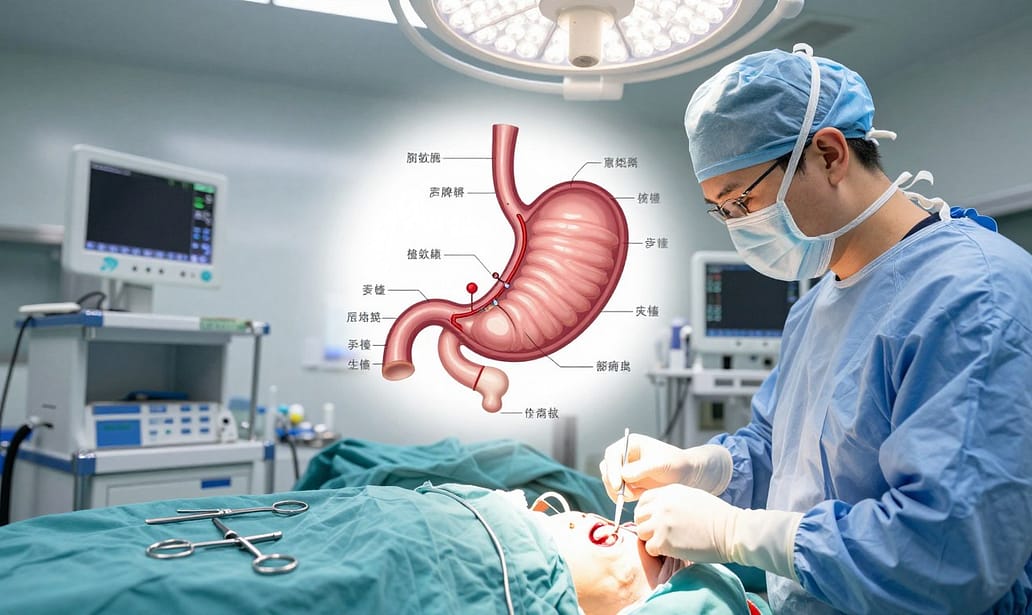
Gastric bypass surgery is a leading answer. This surgery creates a small stomach pouch. It also reroutes part of the intestine. This limits food intake and changes how your body absorbs nutrients.
The result is significant and sustained weight loss. Patients often lose 60% to 70% of their excess body weight. This bariatric surgery also greatly improves related health conditions.
This article provides a clear, step-by-step look at this procedure. We will cover how the surgery works, what recovery involves, and the lifelong lifestyle commitment. Understanding these benefits and steps can empower you for a healthier life.
Your journey starts with a consultation. A doctor will perform a thorough evaluation. This ensures you are a good candidate for this life-changing path. The process from decision to operation can take several weeks.
Understanding Severe Obesity and the Need for Surgical Intervention
Severe obesity, classified by specific medical criteria, poses a profound threat to individual health and healthcare systems. It is far more than a matter of body size; it is a complex chronic disease.
This condition demands a level of intervention that often goes beyond diet and exercise alone. Understanding its scope and impact is the first step toward effective treatment.
The Global Obesity Epidemic and Health Impact
The World Health Organization uses body mass index (BMI) to define obesity. This measurement helps categorize the severity of the condition.
- Class I: BMI of 30 to 34.9 kg/m².
- Class II: BMI of 35 to 39.9 kg/m².
- Class III: BMI of 40 to 49.9 kg/m², often termed “severe” or “morbid” obesity.
Carrying this excess weight is strongly linked to a higher risk of early death. It also dramatically increases the chances of developing serious illnesses.
These include type 2 diabetes, heart disease, and liver problems like fatty liver disease. Sleep apnea and several types of cancer are also more common.
The financial toll is staggering. In the United States, the annual medical cost for adult obesity ranges from $147 billion to nearly $210 billion.
Why Lifestyle Changes and Medication Are Often Insufficient
For many people, traditional methods like diet, exercise, and medication are the first line of defense. These approaches can lead to a modest short-term weight loss of 5% to 10%.
Unfortunately, long-term success is limited. Studies show frequent weight regain is common, leaving individuals frustrated and their health still at risk.
For those with Class III obesity, these conventional tools are frequently inadequate. The body‘s metabolism and hormonal signals often work against sustained loss.
This is where metabolic and bariatric surgery becomes a necessary option. It is the most effective treatment for achieving major, long-lasting weight reduction.
Research demonstrates that bariatric surgery can help patients lose 50% to 75% of their excess weight. This significant loss can be maintained for 16 years or more after the surgery.
Procedures like gastric bypass offer a definitive solution when other methods fail. They address the root physiological causes of the disease.
Choosing to pursue surgery starts with a comprehensive evaluation by a specialized doctor. This process ensures you are a suitable candidate for this life-changing path.
The journey from consultation to the operating room may take several weeks. This time is used for thorough preparation and health optimization.
Understanding why gastric bypass and similar procedures are so effective requires a look at how they work. This sets the stage for exploring the dual-action mechanism of the operation itself.
What Is the Roux-en-Y Gastric Bypass? A Dual-Action Solution
Understanding how this operation works requires a look at its dual mechanisms: restriction and malabsorption. Unlike simpler methods, it tackles weight management from two distinct angles within the body.
This combination makes it one of the most effective bariatric surgeries available. It offers powerful tools for significant and lasting change.
The Restrictive Component: Limiting Food Intake
The first part of this surgery focuses on the stomach. Surgeons create a new, tiny pouch at the very top.
This new pouch is only about the size of a walnut. It holds roughly one ounce of food.
This small capacity physically restricts how much you can eat at one time. You feel full much faster, which naturally reduces calorie intake.
The rest of the stomach is not removed but is permanently bypassed. This is the foundational physical change.
The Malabsorptive Component: Altering Nutrient Absorption
The second part involves the small intestine. This is where the “bypass” in the name comes from.
The surgeon divides the small intestine and connects one part directly to the new stomach pouch. This rerouting bypasses the lower stomach and the first section of the intestine, called the duodenum.
Because food skips this area, the body absorbs fewer calories and nutrients from what you eat. This malabsorptive effect adds a powerful second layer to weight loss.
However, this procedure is more than just mechanical. It is a profound metabolic surgery.
The anatomical changes alter gut hormone levels. Hormones like ghrelin (which stimulates hunger) decrease.
Others, like GLP-1 (which promotes feelings of fullness), increase. This hormonal shift helps reduce appetite and enhance satiety.
It is a key reason why this surgery can so effectively improve conditions like type 2 diabetes.
| Feature | Dual-Action Gastric Bypass | Purely Restrictive Procedure (e.g., Sleeve Gastrectomy) |
|---|---|---|
| Primary Mechanism | Combines Restriction + Malabsorption | Restriction Only |
| Stomach Alteration | Creates a small pouch; bypasses remaining stomach | Removes a large portion of the stomach |
| Intestinal Pathway | Reroutes and shortens the digestive tract | Leaves intestinal pathway unchanged |
| Impact on Absorption | Reduces calorie and nutrient absorption | Minimal direct effect on absorption |
| Metabolic Hormone Effect | Significantly alters hunger/fullness hormones | Moderately alters hormones (mainly reduces ghrelin) |
| Typical Weight Loss Profile | Often leads to greater long-term weight loss for some patients | Effective, but may plateau earlier for others |
This dual-action approach is why a doctor might recommend it during your evaluation. It addresses the problem with both physical and metabolic tools.
Knowing how it works is the first step. Next, you need to see if you are a candidate for this life-changing path.
Are You a Candidate for Gastric Bypass Surgery?
Candidacy for bariatric surgery is not just about weight. It’s about overall health and readiness for a lifelong change.
Medical guidelines provide a clear framework. They help surgeons and doctors determine who can safely benefit.
This process involves strict BMI thresholds and health assessments. A comprehensive evaluation by a specialized team is essential.
BMI Guidelines and Comorbidity Considerations
The American Society of Metabolic and Bariatric Surgery sets the standards. Their 2022 guidelines outline key indications.
A body mass index of 35 or higher generally qualifies a person. This applies regardless of other health conditions.
For those with a BMI of 30 to 34.9, type 2 diabetes can make them eligible. This recognizes the metabolic benefits of the procedure.
Special populations have different criteria. For Asian people, clinical obesity is defined as a BMI over 25.
Children and adolescents may be candidates too. This requires a BMI greater than 120% of the 95th percentile and a major comorbidity.
The presence of other diseases is crucial. Conditions like high blood pressure or liver disease strengthen the case for surgery.
These rules ensure the procedure is offered to those who need it most. It balances potential risk with significant health gains.
Essential Criteria for Patient Selection
Meeting BMI numbers is just the start. A multidisciplinary team conducts a thorough evaluation.
This team includes a bariatric surgeon, dietitian, and psychologist. They assess medical, nutritional, and psychological readiness.
Absolute contraindications can rule someone out. These include uncontrolled psychiatric disorders or active substance abuse.
Severe systemic diseases are also barriers. End-stage renal disease or unstable heart conditions pose too high a risk.
Inability to tolerate general anesthesia or pregnancy are other factors. The surgeon and doctors must ensure patient safety.
Psychological readiness is non-negotiable. Patients must understand the surgery and commit to lifelong lifestyle changes.
Realistic expectations about weight loss and outcomes are vital. Support systems and coping strategies are evaluated.
Tools like this online assessment can help determine if gastric bypass is right for. It complements the formal clinical process.
Final approval comes from the care team. Their collective judgment ensures each candidate is prepared for success.
This rigorous screening maximizes health benefits and minimizes risks. It sets the stage for a transformative journey.
Preparing for Your Roux-en-Y Gastric Bypass Procedure
The weeks leading up to your scheduled surgery are a time of active collaboration with your medical team. This preparation phase is just as important as the operation itself for ensuring safety and long-term success.
It involves a detailed evaluation and a strict regimen. Your commitment during this period directly optimizes surgical conditions and your future health.
The Multidisciplinary Team Evaluation
You will work with a specialized care team before your operation. This group conducts a thorough assessment from every angle.
The core team includes your bariatric surgeon, a registered dietitian, and a psychologist. Each member plays a vital role in your evaluation.
The doctor and surgeon review your medical history and perform physical exams. They ensure you can safely tolerate the procedure.
The dietitian assesses your current eating habits. They provide crucial education on the nutritional changes ahead.
The psychological assessment is a standard, supportive step. It checks for emotional readiness and identifies any need for extra support.
This holistic approach addresses all potential risk factors. It builds a solid foundation for your journey.
The Pre-Operative Diet and Lifestyle Regimen
A mandatory pre-operative diet is required for most people. This regimen has two critical goals.
First, it shrinks your liver. A smaller liver gives the surgeon safer and easier access during the operation.
Second, it starts the metabolic changes your body will experience. It’s a practice run for your new lifestyle.
Typically, you will follow a two-week plan. It consists of high-protein shakes and one sensible meal per day.
This specific diet drastically reduces liver size and fat content. Sticking to it is non-negotiable for your safety.
The day before your surgery, you will switch to a clear liquid-only plan. This final step empties your digestive tract.
Increasing physical activity in the weeks before the operation is strongly encouraged. Even gentle walking improves cardiovascular health and aids recovery.
This entire preparatory period helps you build discipline. You become familiar with the new patterns of eating and activity that will define your life after weight loss.
View this time as an active partnership with your care team. Your effort now paves the way for optimal surgical results and a smoother recovery.
A Step-by-Step Guide to the Roux-en-Y Gastric Bypass Procedure
Patients often wonder what exactly happens during the several hours they are in the operating room. This walkthrough explains the modern, minimally invasive approach. It details each key step of the anatomical reconstruction.
The surgery is typically performed laparoscopically. Your surgeon uses a tiny camera and special instruments. These are inserted through a few small incisions in your abdomen.
This method is the modern standard for this type of bariatric surgery. It leads to less pain and a quicker recovery for most people. Understanding the steps can help ease any anxiety.
Step 1: Creating the Small Stomach Pouch
The first part of the procedure focuses on the stomach. Using long, thin instruments, the surgeon carefully partitions the top portion.
A surgical stapling device creates a secure division. This forms a new, thumb-sized pouch that holds only about one ounce of food.
The rest of the stomach remains but is permanently separated. This small pouch is the foundation for the restrictive component of the operation.
Step 2: Dividing and Rerouting the Small Intestine
Next, attention turns to the small intestine. The surgeon identifies and divides the first segment, called the jejunum.
The end of this divided segment is called the “Roux limb.” It is carefully brought up and connected to the new stomach pouch.
This connection creates the primary new pathway for food. It effectively bypasses the lower stomach and the first part of the intestine.
Step 3: Completing the Anastomoses
The final step creates the characteristic “Y” shape. The top portion of the divided small intestine is reconnected further down the Roux limb.
This second connection, or anastomosis, allows digestive juices from the bypassed stomach and intestine to mix with food. It completes the new digestive circuit.
Specialized surgical staplers ensure these connections are secure and leak-proof. This technical precision is a key part of patient safety.
Each surgical step directly creates the dual-action mechanism. The small pouch restricts intake. The rerouted intestine reduces calorie absorption.
This laparoscopic procedure usually takes two to four hours. The use of small incisions, a camera, and advanced tools minimizes tissue trauma.
This breakdown demystifies the operation for patients and families. It highlights the careful planning behind this life-changing surgery.
Key Benefits and Expected Outcomes of Gastric Bypass
Beyond the scale, the true success of this operation is measured in restored health and renewed vitality. The benefits extend far beyond weight loss, tackling the root causes of many serious diseases.
This evidence-based summary highlights the powerful, life-changing impact you can expect.
Substantial and Sustained Weight Loss
This bariatric surgery is renowned for delivering major, long-term weight reduction. In the first year, patients typically lose 60% to 70% of their excess body weight.
The results are durable. Long-term study data shows patients maintain about 50% excess weight loss 10 to 15 years after their surgery.
This sustained loss is a key reason for its high success rate. It provides a stable foundation for all other health improvements.
Improvement or Remission of Obesity-Related Diseases
The metabolic impact is profound. This operation often leads to the rapid improvement or complete remission of type 2 diabetes.
Many people see blood sugar levels normalize within days or weeks post-op. This is one of the most celebrated benefits.
The positive effects extend to other major comorbidities:
- Hypertension (high blood pressure) often improves significantly.
- Levels of liver fat and harmful cholesterol (hyperlipidemia) drop.
- Severe sleep apnea symptoms frequently resolve.
- Gastroesophageal reflux disease (GERD) is powerfully relieved.
Gastric bypass is particularly effective for acid reflux. It diverts acidic stomach contents away from the esophagus.
This reduction in disease burden means many patients can reduce or stop related medications. It lifts a significant financial and health risk.

Enhanced Quality of Life and Longevity
Research confirms that individuals who undergo bariatric surgery live longer. They also enjoy a dramatically improved quality of life.
With major weight loss comes greater mobility and less joint pain. This allows for increased physical activity and social engagement.
Self-esteem and mental well-being often see marked improvement. The ability to participate more fully in daily activities is a common outcome.
Your doctor will discuss these expected results during consultation. Compared to other procedures, the dual-action mechanism offers distinct advantages for resolving certain symptoms.
The goal is a comprehensive transformation. It’s not just about a number, but about reclaiming your health and vitality for the long term.
Potential Risks and Complications to Consider
Informed consent requires a clear understanding of both the benefits and potential downsides of any procedure. A balanced discussion of risks is essential for making a confident healthcare decision.
This overview details possible complications, from immediate surgical risks to long-term considerations. Knowledge empowers you to work proactively with your care team for the best outcome.
Short-Term Surgical Risks
Like any major abdominal operation, this surgery carries inherent risks in the initial weeks. These are generally related to the procedure itself and anesthesia.
Your surgical team takes extensive precautions to minimize them. Being aware helps you recognize any early warning signs.
- Bleeding (hemorrhage) during or after the operation.
- Infection at the incision sites or internally.
- Blood clots forming in the legs (deep vein thrombosis) that could travel to the lungs.
- An anastomotic leak, a rare but serious issue where the new connections in the stomach or intestine seep fluid.
- Adverse reactions to general anesthesia.
These complications are closely monitored in the hospital. Prompt identification and treatment are part of standard post-operative care.
Long-Term Nutritional and Medical Considerations
The anatomical changes that drive weight loss can also lead to specific long-term health considerations. Most are manageable with strict adherence to guidelines.
Regular follow-up with your doctor is crucial for prevention and early intervention.
Nutritional deficiencies are a primary focus due to malabsorption. The body may not properly absorb key vitamins and minerals.
Lifelong daily supplementation is mandatory to prevent conditions like anemia or bone disease.
- Vitamin B12, iron, and folate deficiencies can cause anemia.
- Insufficient calcium and vitamin D can weaken bones over time.
Dumping syndrome is a common side effect, not a complication. It occurs when high-sugar food moves too quickly into the small intestine.
Symptoms include sweating, flushing, dizziness, abdominal cramps, and diarrhea. While unpleasant, it acts as a powerful physical deterrent against poor dietary choices.
Other long-term medical risks include:
- Marginal ulcers: Sores at the surgical connection, often linked to smoking or NSAID use.
- Internal hernias: A loop of intestine slipping through a surgical gap, potentially causing a blockage.
- Gallstones: Rapid weight loss can trigger their formation.
- Strictures: Narrowing at a connection point, which may require a simple dilation procedure.
A study of patient outcomes shows that with diligent follow-up, many of these issues are preventable. The risk of untreated severe obesity often far outweighs the potential risks of this bariatric surgery.
Your commitment to the post-operative plan is your strongest shield against long-term complications.
The Hospital Stay and Immediate Recovery Process
Your hospital stay marks the beginning of a structured recovery journey. This short, focused period is designed for safety and initial healing.
For most people, the stay lasts just one or two nights. Your care team will monitor you closely during this time.
This phase sets the foundation for your long-term weight loss success. Knowing what to expect can ease anxiety and promote a smoother healing process.
What to Expect in the First 24-48 Hours
Immediately after your surgery, you will wake up in a recovery area. Nurses will check your vital signs frequently.
You will receive fluids and medications through an IV. This keeps you hydrated and manages any discomfort.
Pain control is a top priority. Your doctor will prescribe medication to keep you comfortable.
It is normal to feel some soreness at the incision sites. This pain is expected and manageable.
A key goal is to get you moving. You will be encouraged to take short walks within hours of your operation.
This early mobilization is crucial. It boosts circulation, helps lung function, and lowers the risk of blood clots.
Your nursing team will assist you the first few times you get out of bed. Walking just a few steps is a big win.
Before discharge, you will start sipping water and clear liquids. This tests your new stomach pouch and begins the post-operative diet.
The surgeon and staff will watch for any early warning signs. Fever, severe pain, or unusual symptoms are checked promptly.
Managing Pain and Beginning Mobilization
Effective pain management supports faster healing. Take your prescribed analgesics exactly as directed.
Do not wait for severe discomfort before taking medicine. Staying ahead of the pain makes movement easier.
If a medication causes nausea, inform your care team. They can adjust your plan.
When coughing or taking deep breaths, hold a pillow gently over your abdomen. This supports your incisions and reduces discomfort.
Walking is your best medicine during early recovery. Aim to walk a little more each day.
Start with short laps around your hospital room or hallway. Gradually increase your distance as you feel able.
This activity prevents complications like pneumonia. It also helps your body adjust after the procedure.
The laparoscopic method offers distinct advantages. Smaller incisions mean less post-operative pain and minimal scarring.
Compared to open procedures, this approach leads to a quicker recovery. Most people return to light activities within a few weeks.
Proper incision care is simple. Keep the area clean and dry.
You can shower normally. Gently pat the incisions dry afterward.
Avoid baths, pools, and hot tubs for the first two weeks. This prevents infection.
Follow all post-operative care instructions from your medical team. These guidelines are based on extensive study and experience.
Setting realistic expectations reduces stress. The immediate recovery is a short, supervised step in your larger journey.
Your dedication during this hospital phase directly supports your long-term health goals. Each small effort builds toward lasting success.
Your Post-Operative Diet: The Phased Approach
What you eat and drink after your operation is just as critical as the surgery itself for achieving your health goals. Your nutritional plan follows a carefully structured, phased approach.
This roadmap is designed for safe healing and long-term weight loss success. Each stage teaches your body to adapt to its new anatomy.
Sticking to this plan is your most important daily task. It protects your new stomach pouch and ensures you get the right nutrients.
Weeks 1-2: The Liquid-Only Phase
The first two weeks after your surgery are for liquids only. This gives your new stomach connections time to heal without strain.
Your primary diet will consist of clear broths, sugar-free gelatin, and water. High-protein shakes are the cornerstone of this phase.
Meeting daily protein goals is essential. Protein supports tissue repair and helps preserve muscle mass during rapid weight loss.
Staying hydrated is equally vital. Sip small amounts of fluid throughout the day, aiming for 48 to 64 ounces.
Do not drink large volumes at once. Your tiny pouch can only handle an ounce or two at a time.

Weeks 3-6: The Pureed and Soft Food Phase
Around week three, you can start introducing pureed food. The texture should be smooth, like applesauce or thick yogurt.
This stage continues for several weeks. It is a bridge between liquids and solid food.
Excellent choices include Greek yogurt, scrambled eggs, and blended lean meats like chicken or fish. Mashed vegetables like avocado are also good.
This is when you begin “retraining” your digestive system. You must eat tiny portions, starting with just one to two ounces per meal.
Chew each bite meticulously until it is liquid. Eat slowly, taking 20 to 30 minutes for a very small meal.
This careful practice prevents discomfort and teaches you new habits. Your care team and doctor will guide you through this transition.
Long-Term Dietary Guidelines for Success
After about six weeks, you will gradually reintroduce solid foods. Your eating pattern, however, changes permanently.
These long-term rules are the foundation for maintaining your health and results. Think of them not as a temporary diet but as your new way of life.
Always prioritize protein at every meal. It keeps you full and supports your metabolism.
Separate liquids from solids by at least 30 minutes. Drinking with meals can flush food through your stomach too quickly, causing hunger and reducing nutrient absorption.
Avoid high-sugar and high-fat foods completely. They can cause dumping syndrome, an unpleasant set of symptoms like sweating and cramps.
This reaction also helps prevent weight regain. Never skip meals, as this can lead to overeating later.
Lifelong daily vitamin and mineral supplementation is non-negotiable. The malabsorptive nature of some procedures makes this essential.
You will need a specialized multivitamin, calcium with vitamin D, vitamin B12, and often iron. A study of patient outcomes shows that consistent supplementation prevents deficiencies.
Following these bariatric surgery guidelines is your key to avoiding complications. It ensures the gastric bypass provides a lasting benefit for your well-being.
Committing to Lifelong Lifestyle Changes and Follow-Up
Long-term success hinges on two pillars: unwavering lifestyle adjustments and consistent medical follow-up. The operation is a powerful tool, not a cure. Your active partnership with your care team defines the years that follow.
This phase requires permanent modifications to daily habits. It also demands regular check-ins with health professionals. Together, these actions protect your investment in a healthier future.
The Critical Role of Regular Exercise
Physical activity is non-negotiable for maintaining weight loss and overall health. Your new body needs movement to thrive and support your metabolism.
Experts recommend a gradual build-up to at least 150 minutes of moderate aerobic exercise per week. Brisk walking is an excellent example. Alternatively, you can aim for 75 minutes of vigorous activity.
Combining cardio with strength training offers optimal benefits. Strength work preserves muscle mass, which keeps your metabolism active. This combination is key for long-term weight maintenance.
Start slowly and increase intensity over several months. Listen to your body and avoid injury. Consistency matters far more than intensity in the beginning.
Essential Vitamin and Mineral Supplementation
Lifelong daily supplementation is an absolute requirement after certain bariatric procedures. The anatomical changes can reduce your body’s ability to absorb key nutrients from food alone.
Preventing deficiencies is crucial for avoiding serious health issues. Your regimen will likely include these specific supplements:
- A high-potency multivitamin: Designed for bariatric patients to cover broad needs.
- Calcium citrate with Vitamin D: Protects bone density and prevents osteoporosis.
- Vitamin B12: Often taken sublingually or by injection to prevent anemia.
- Iron: Frequently needed, especially for premenopausal women, to ward off iron-deficiency anemia.
Never skip your vitamins, even if you feel great. Deficiencies can develop silently over time. View this as a daily health ritual as important as brushing your teeth.
The Importance of Ongoing Medical Support
Your relationship with your bariatric team shifts from pre-operative preparation to lifelong health partnership. Structured follow-up is your safety net and accountability system.
A standard appointment schedule looks like this:
- Every 3 months for the first year post-surgery.
- Twice during the second year.
- Annually thereafter for life.
These visits monitor your weight, nutritional status, and overall health. They catch potential issues like deficiencies or weight regain early. Early intervention is always simpler and more effective.
Ongoing support from dietitians and psychologists is invaluable. They help you navigate emotional eating, plateaus, and lifestyle adaptation. Support groups connect you with people who understand the journey firsthand.
If lifestyle commitments wane, weight regain is a real risk. Regular appointments with your doctor and team provide crucial accountability. They celebrate your wins and help you refocus after setbacks.
Embrace this structured follow-up as part of your new life. It ensures the surgery provides a lasting benefit for your well-being. Your health journey continues indefinitely, powered by your participation and this supportive partnership.
Conclusion: Embracing a New Path to Health
Your path to a healthier future begins with understanding the lifelong partnership required after surgery. This proven bariatric surgery offers a powerful, validated solution for severe obesity.
Its dual-action approach promotes significant, sustained weight loss. This leads to remarkable health benefits, like reversing type 2 disease and improving cardiovascular risk.
Lasting success demands a steadfast commitment. You must follow dietary guidelines, exercise regularly, and take daily supplements.
Regular check-ups with your care team are essential. They help monitor your body and support your journey.
The rewards are profound: improved mobility, confidence, and longevity. Embrace this new chapter for a more active, fulfilling life.
If you are a candidate, seek evaluation from an accredited program. This journey, while demanding, can transform your well-being.